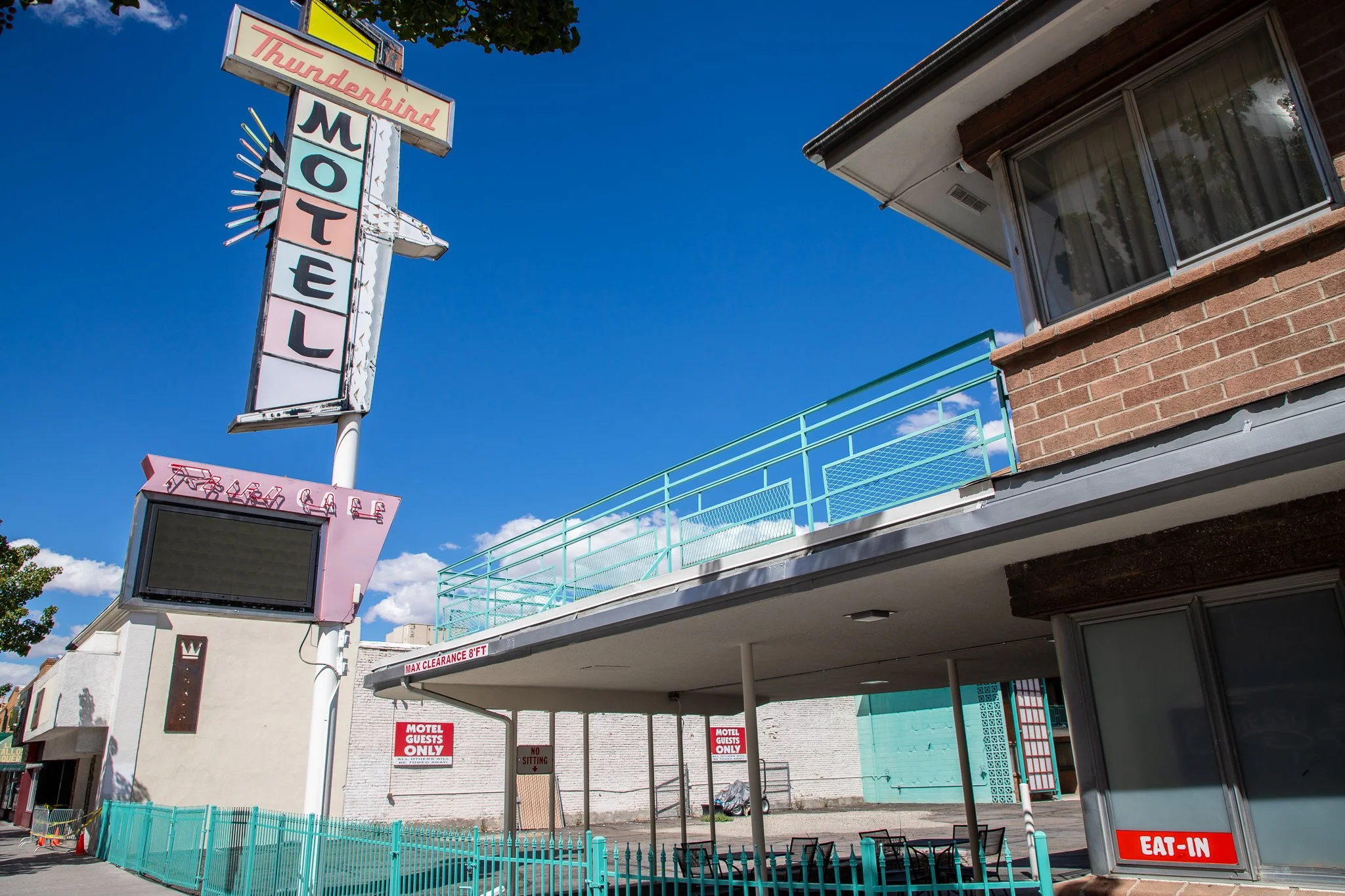
Reno, Nevada
Images from Reno, NV
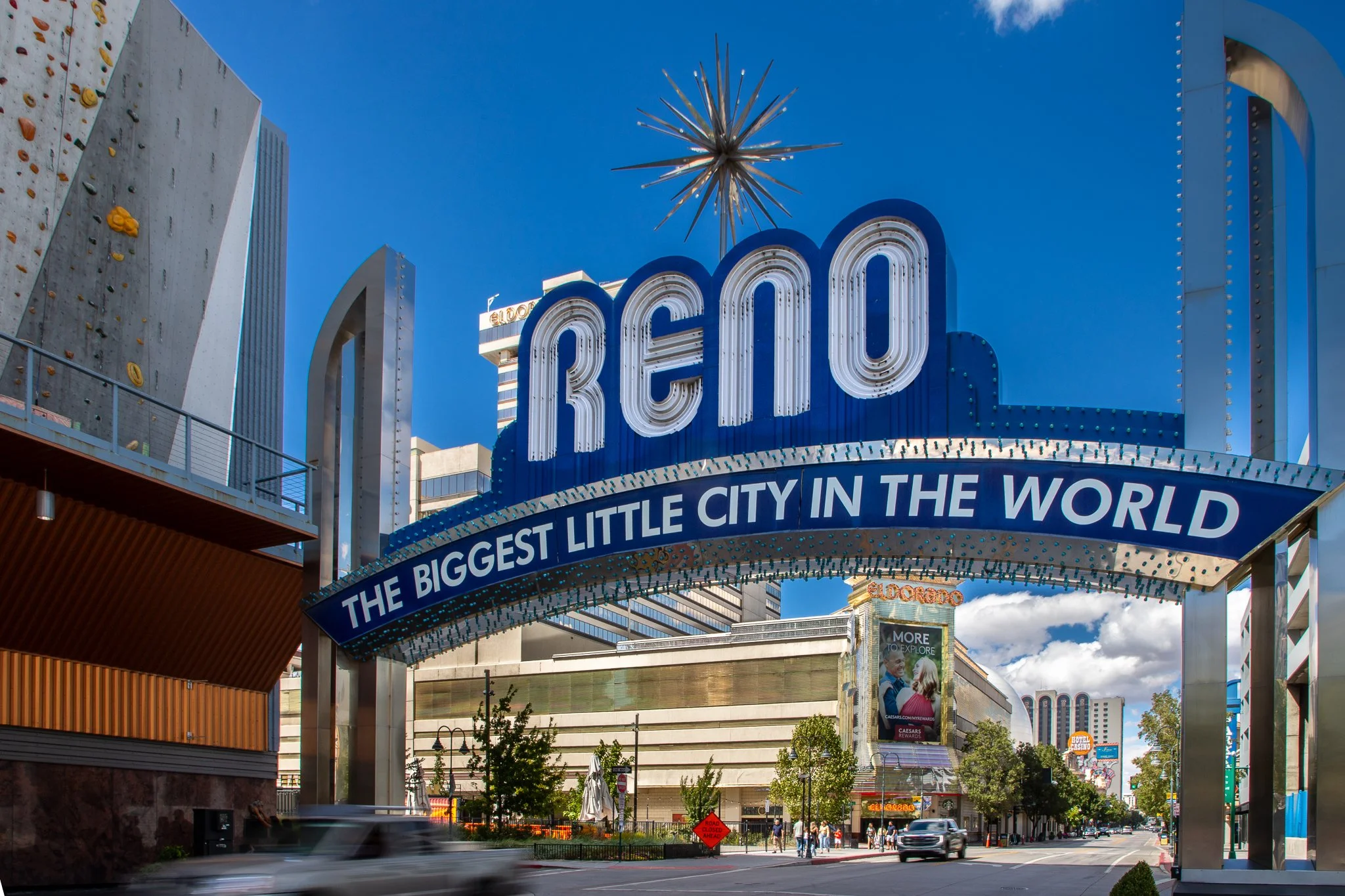
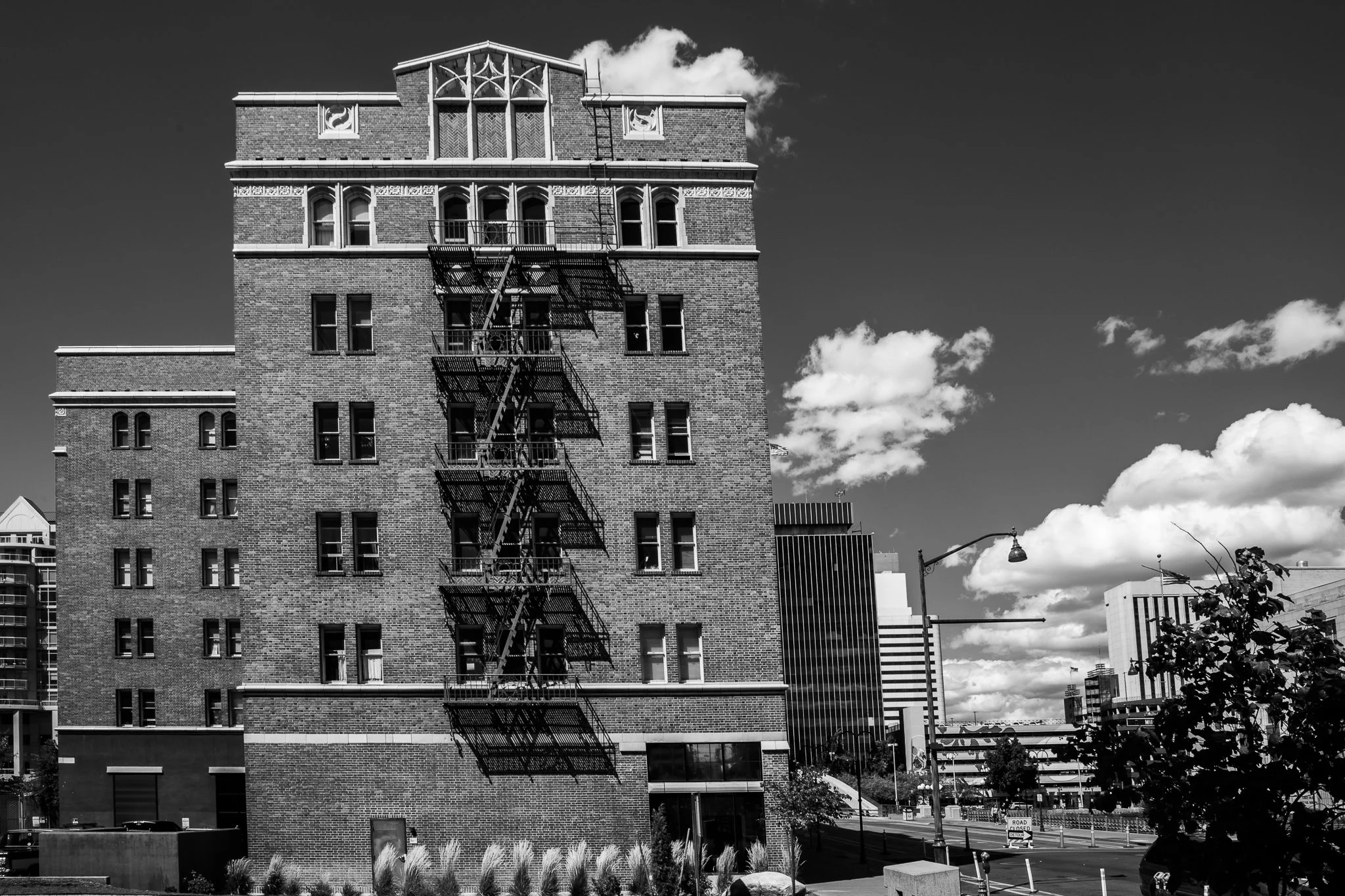
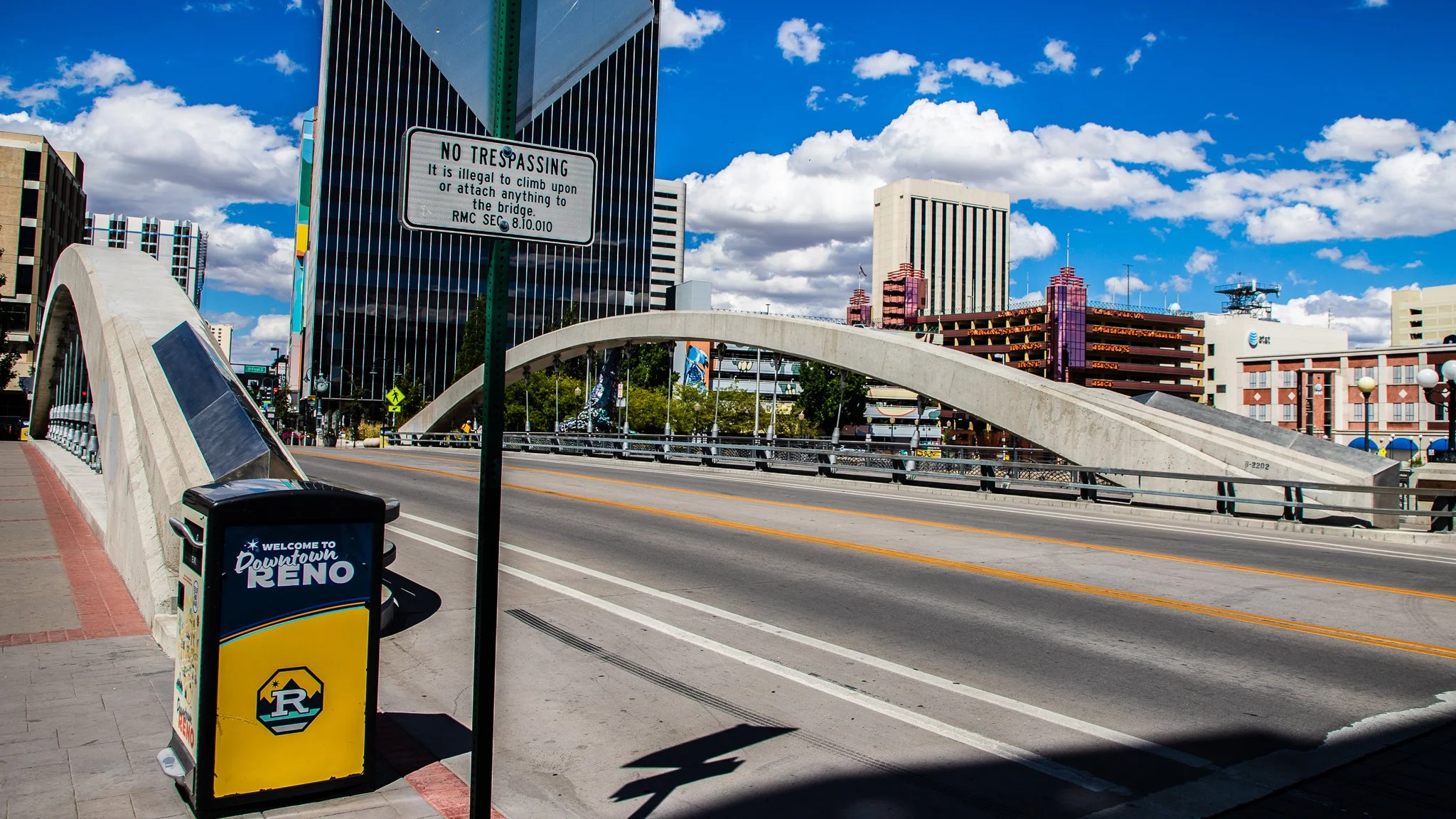
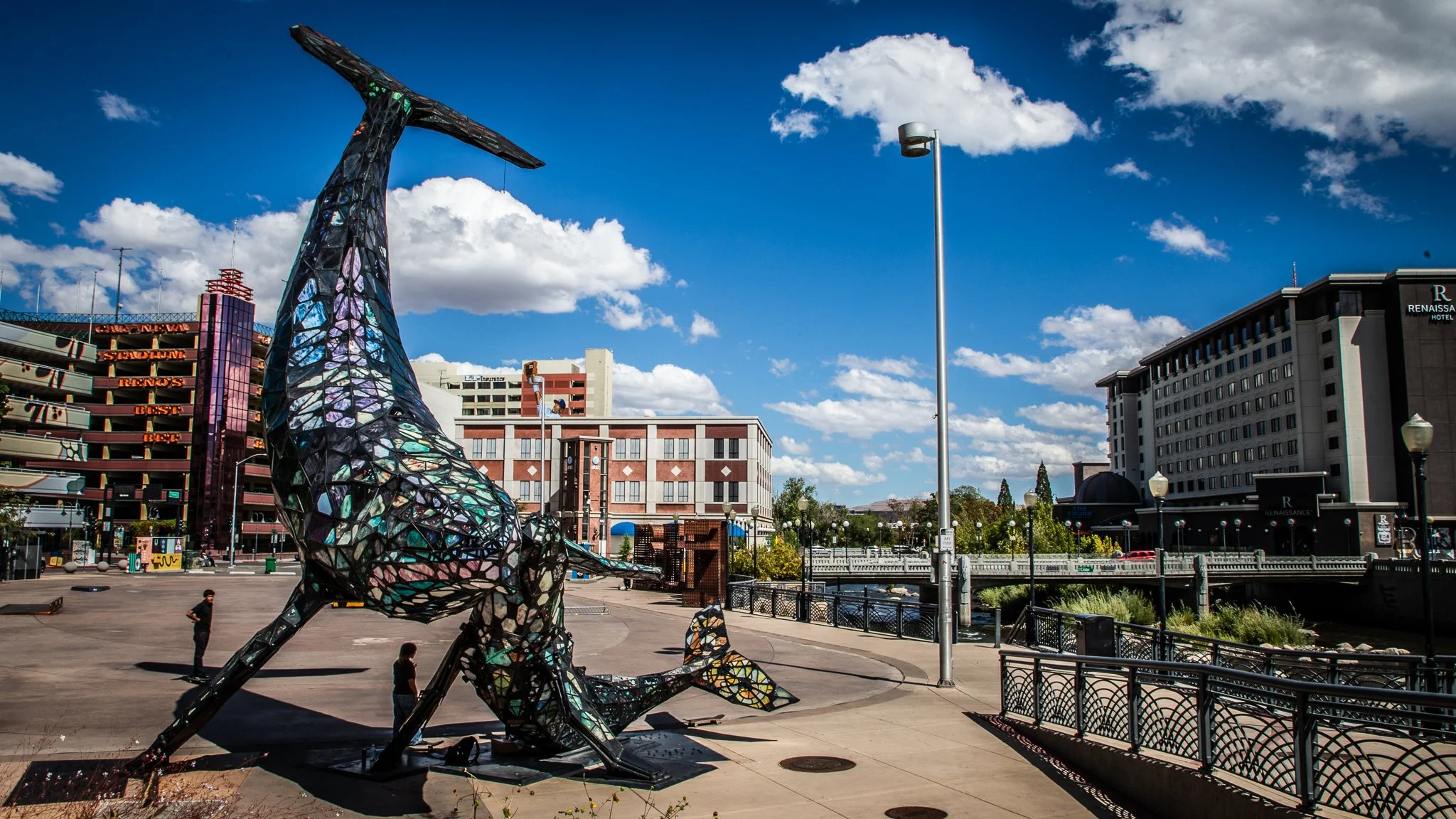
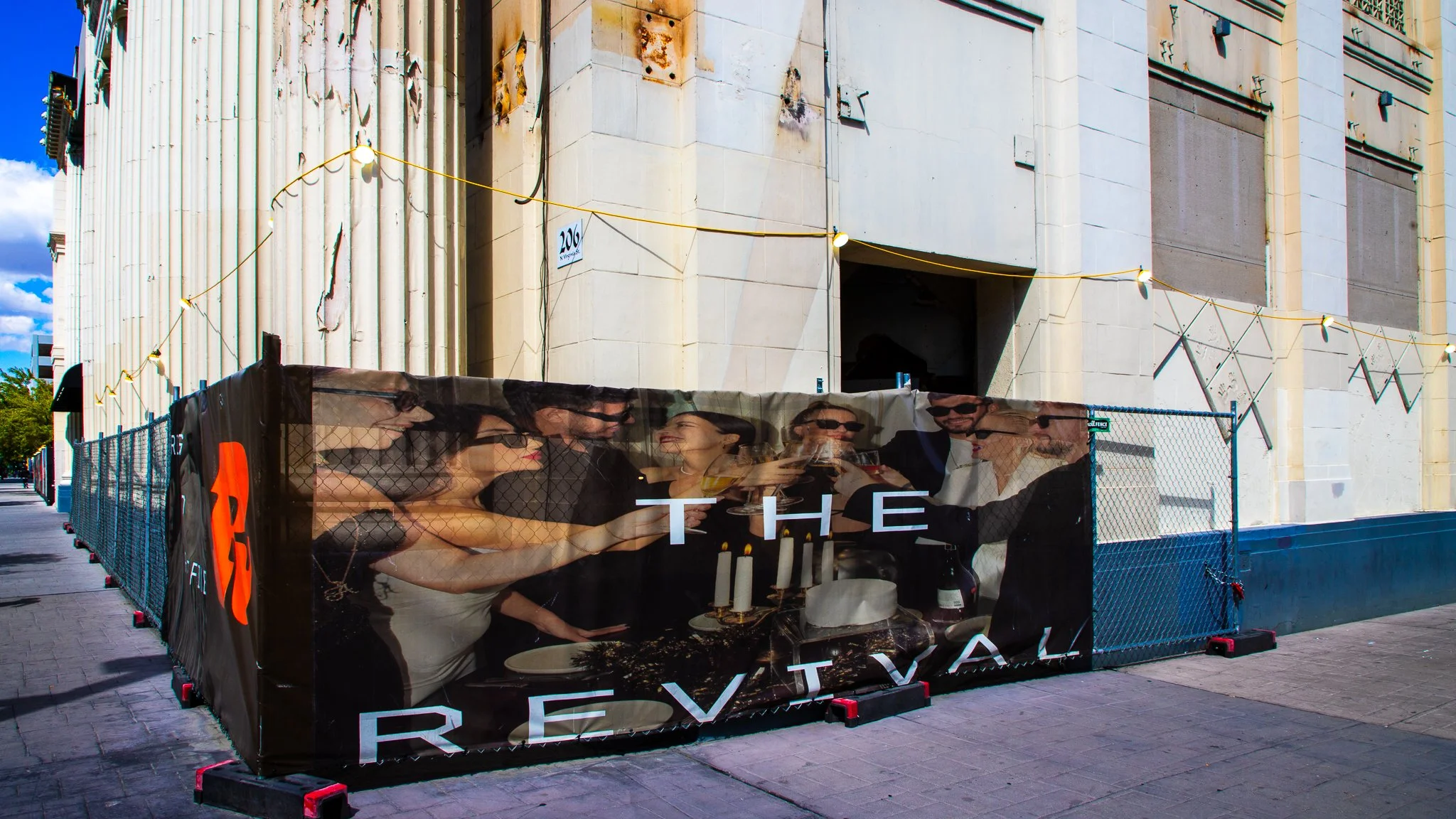
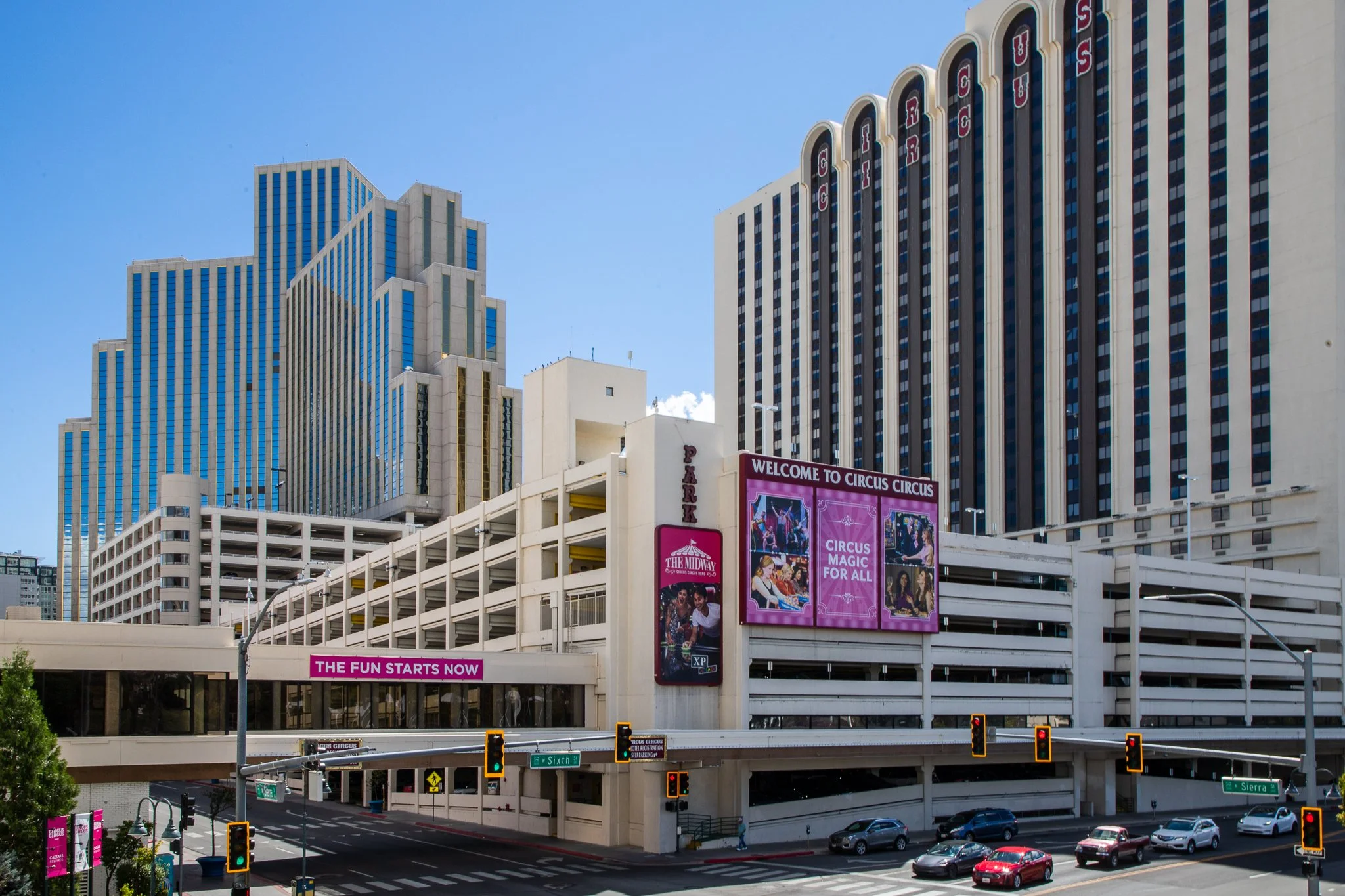
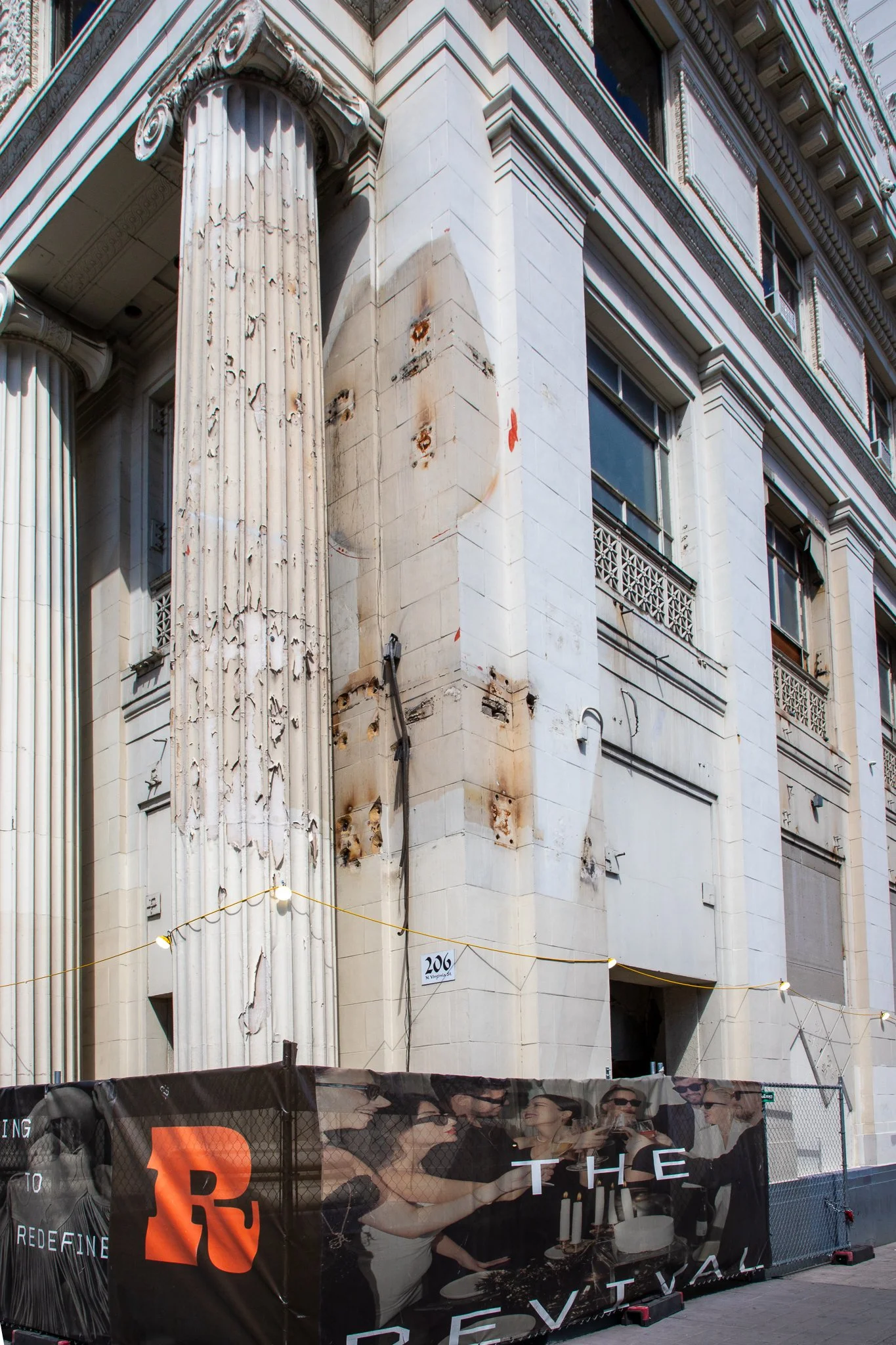
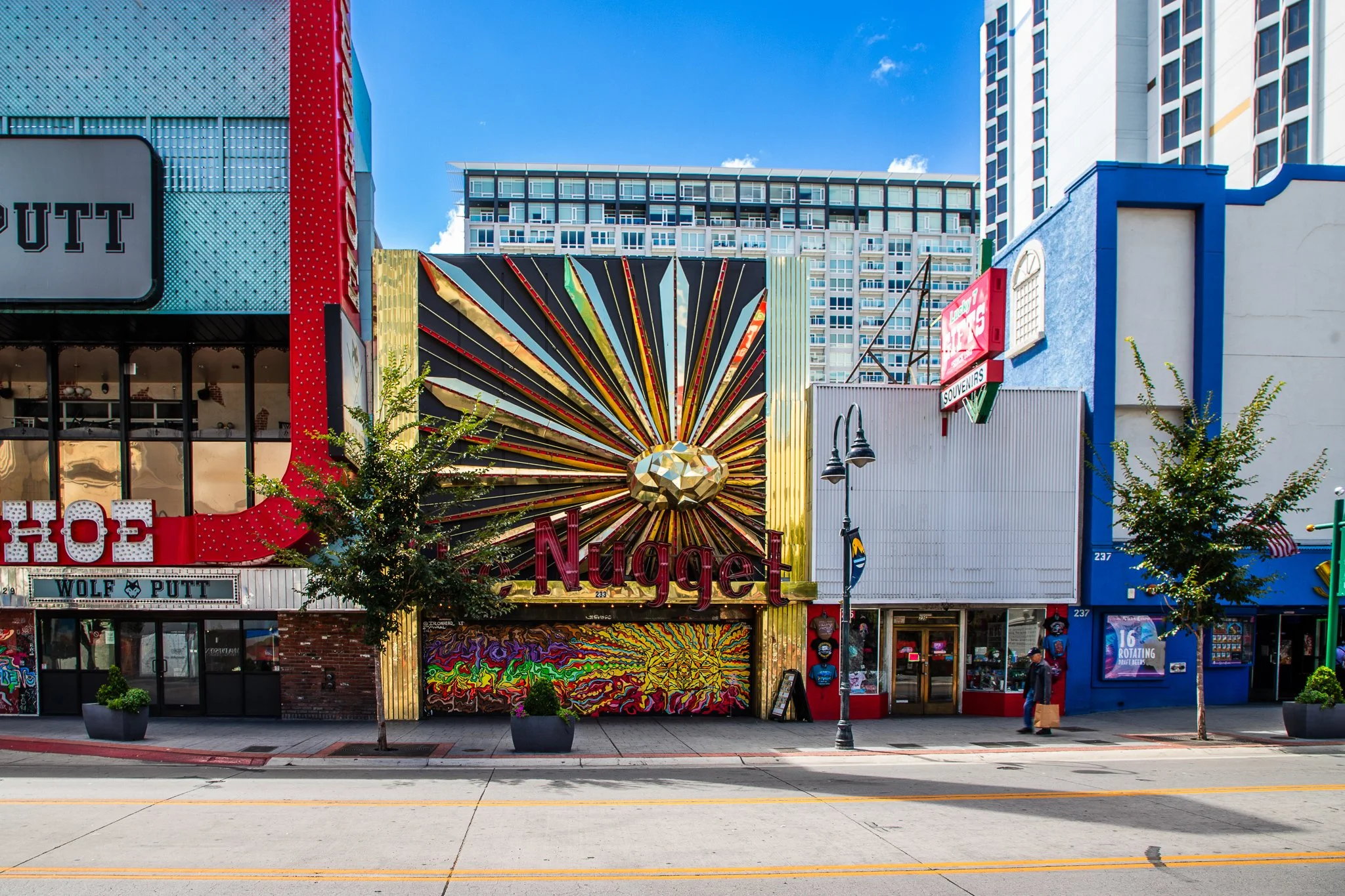
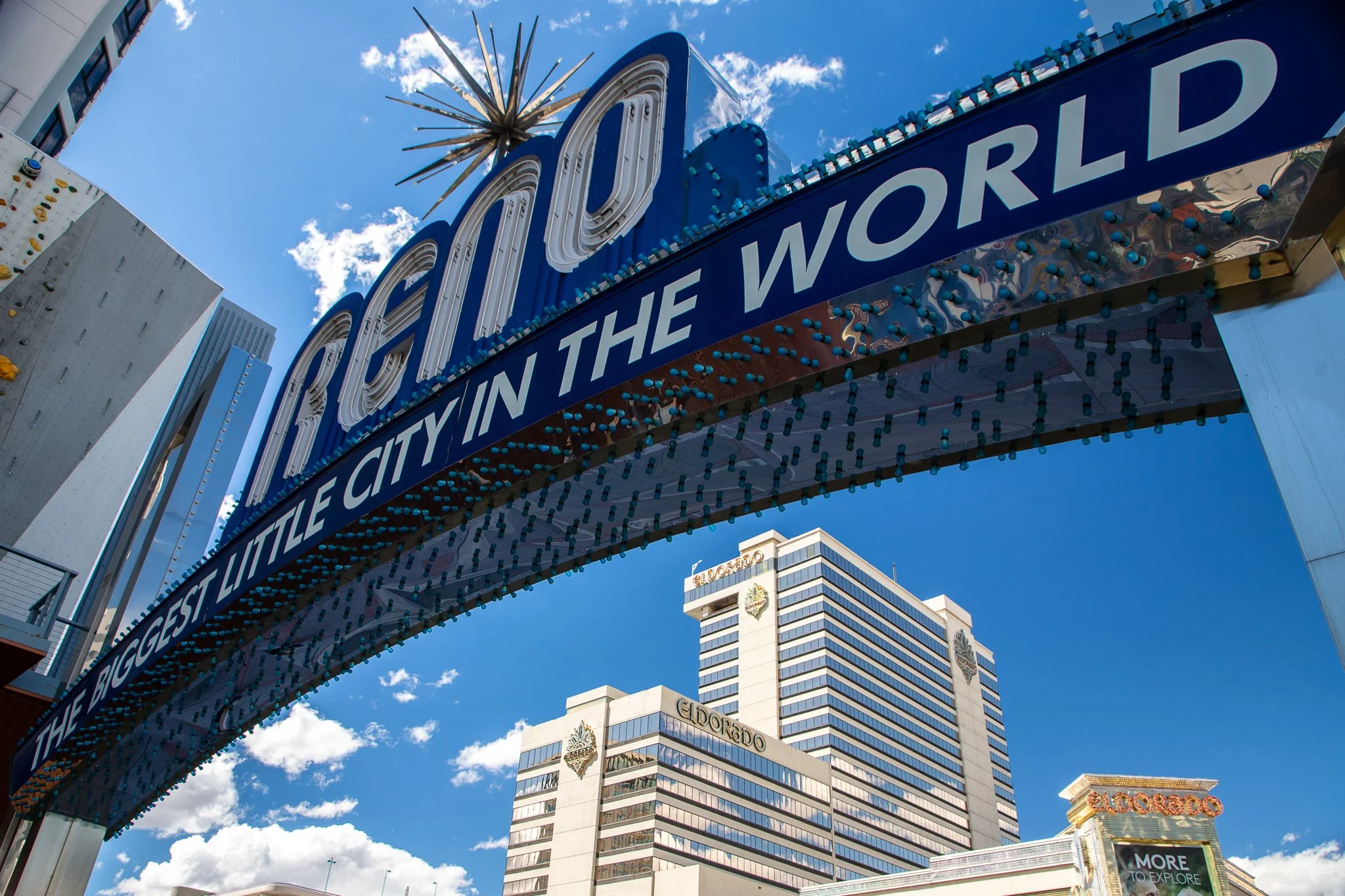
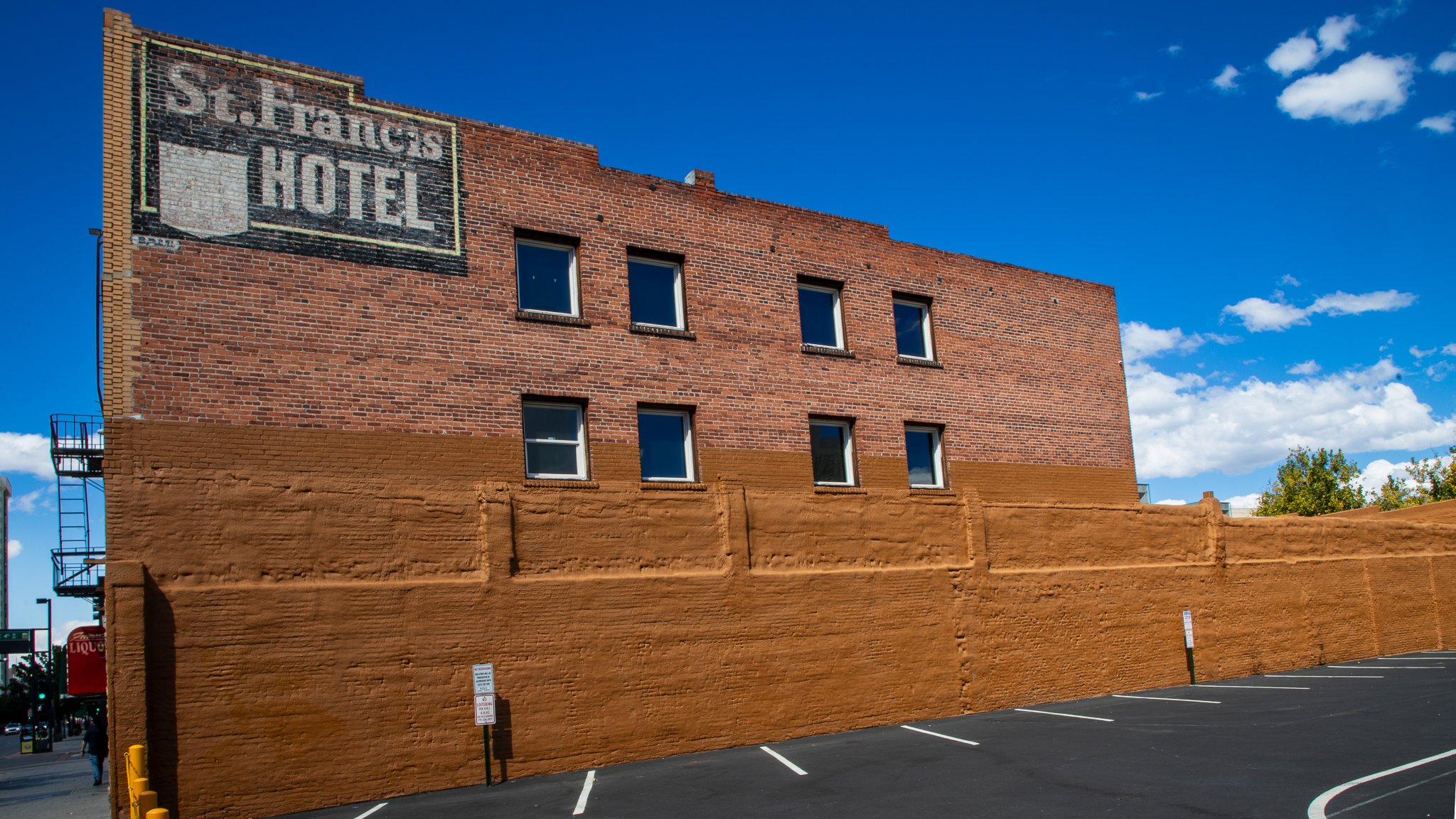
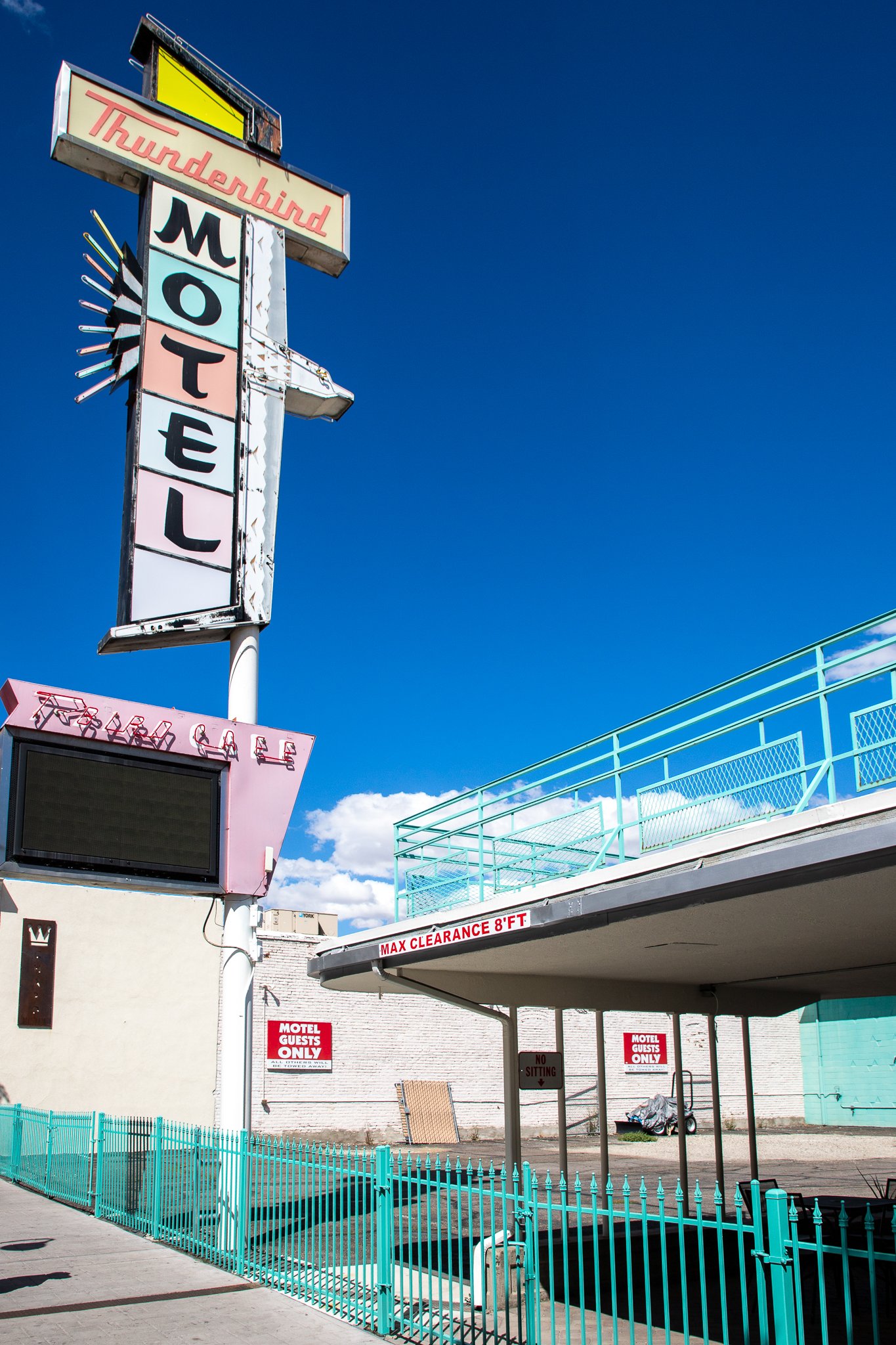
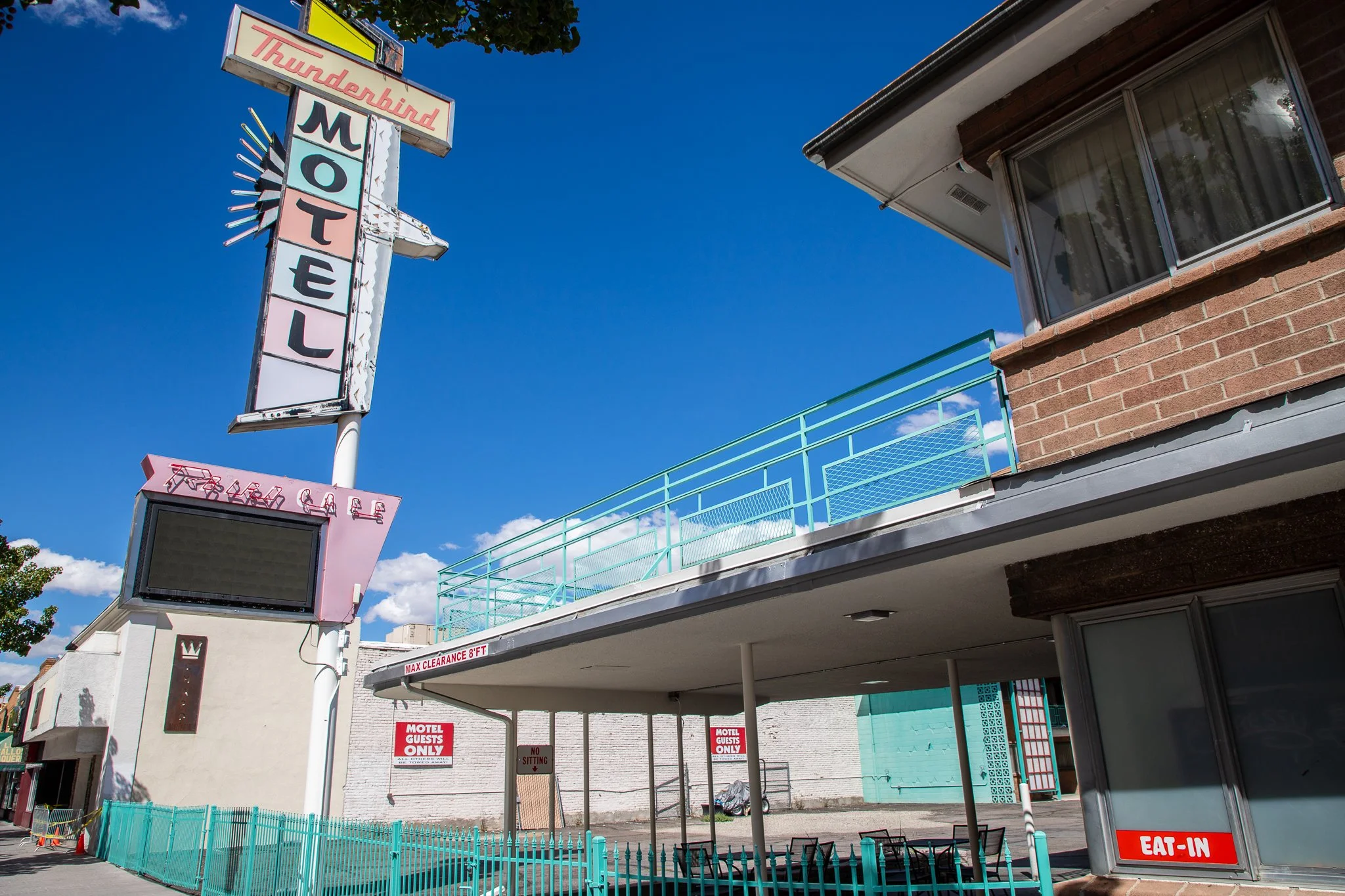
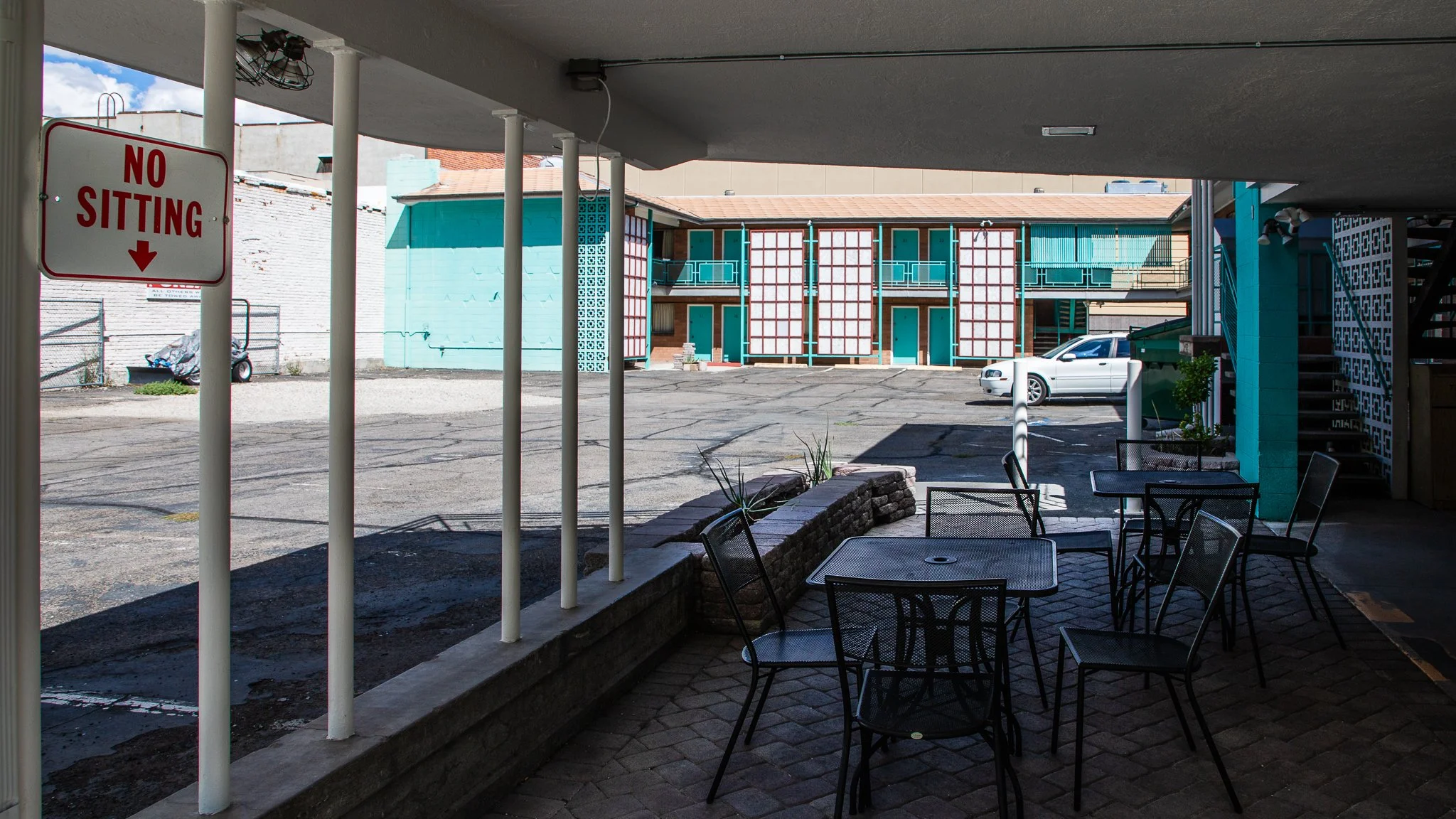
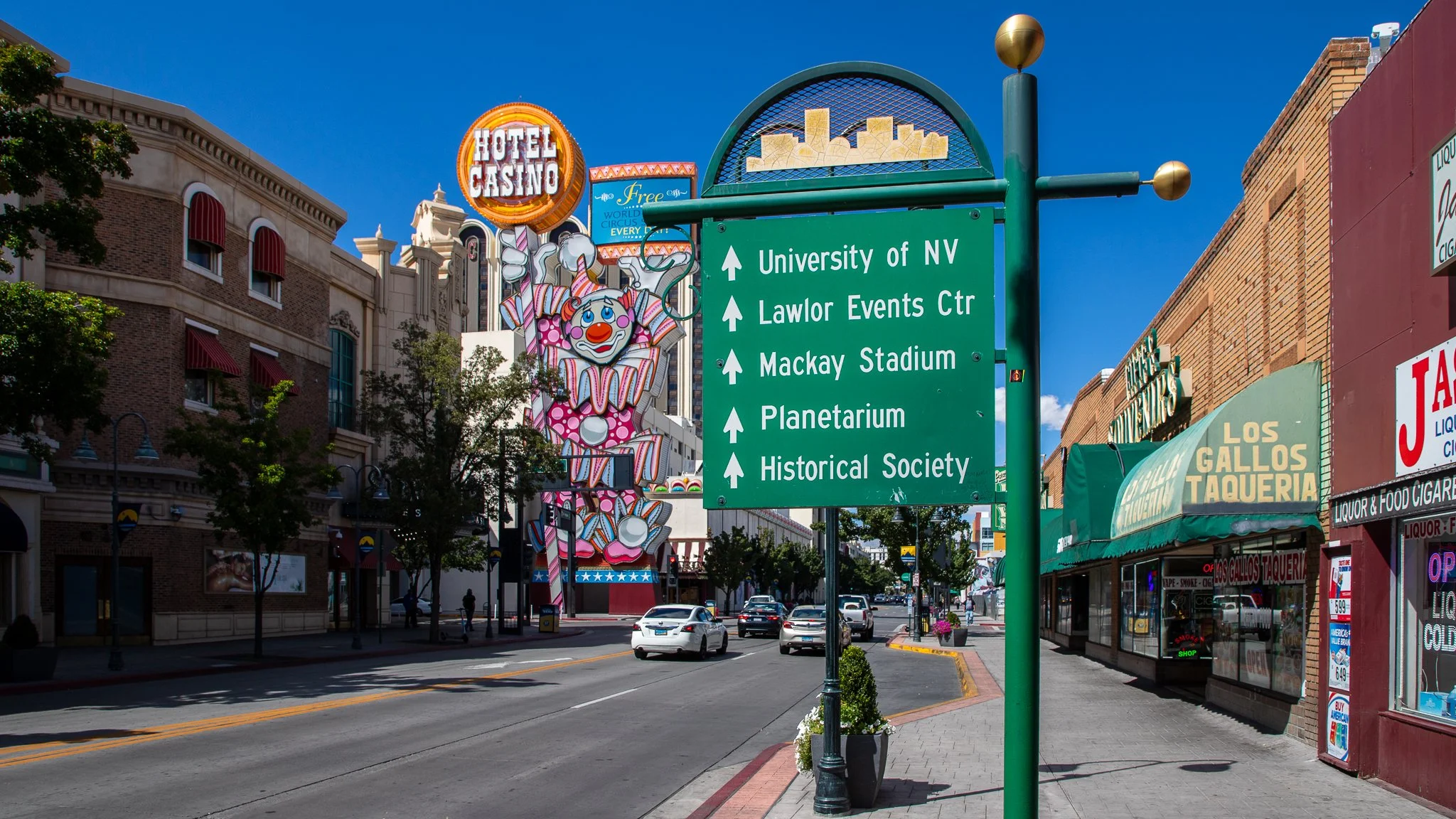
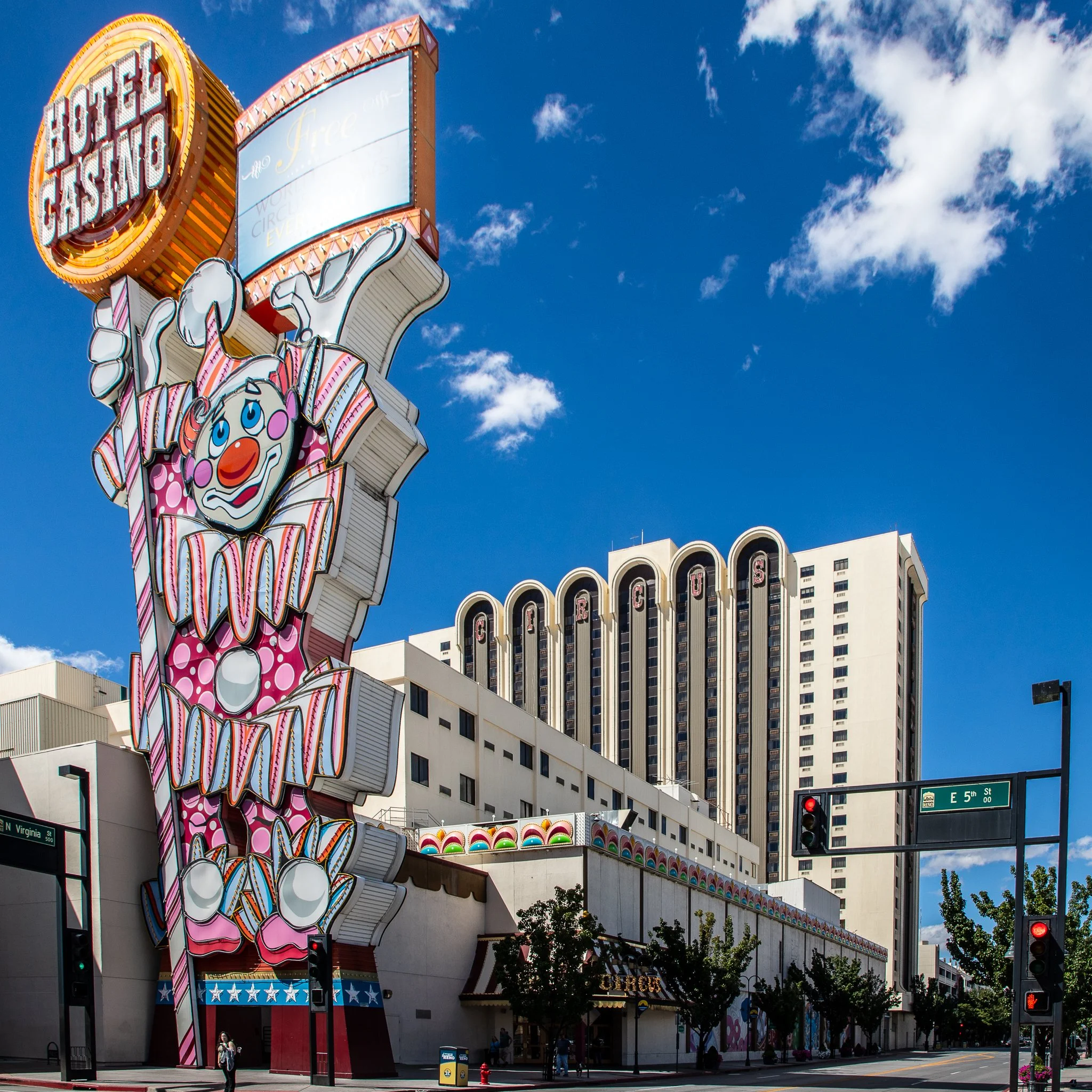
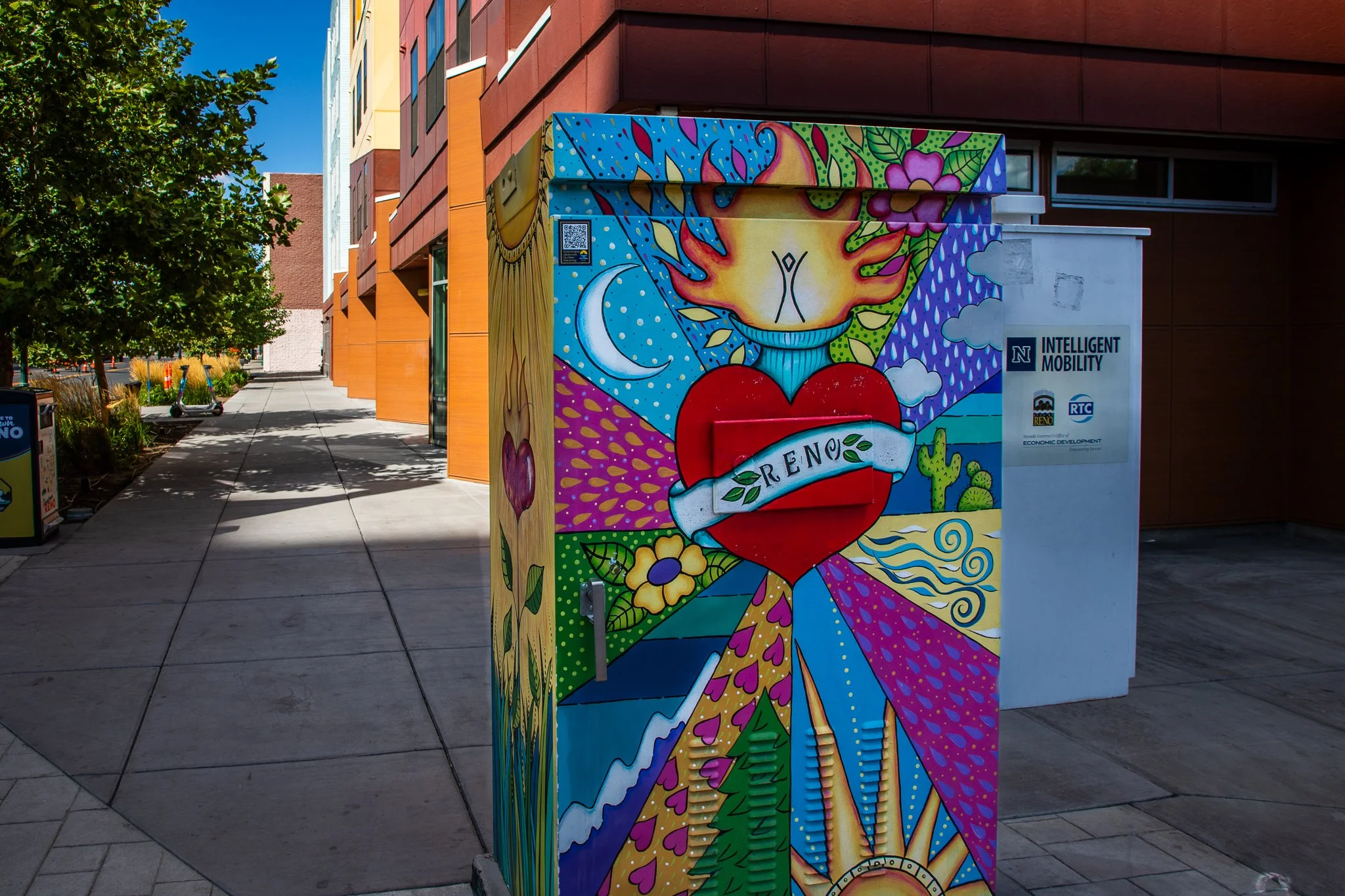
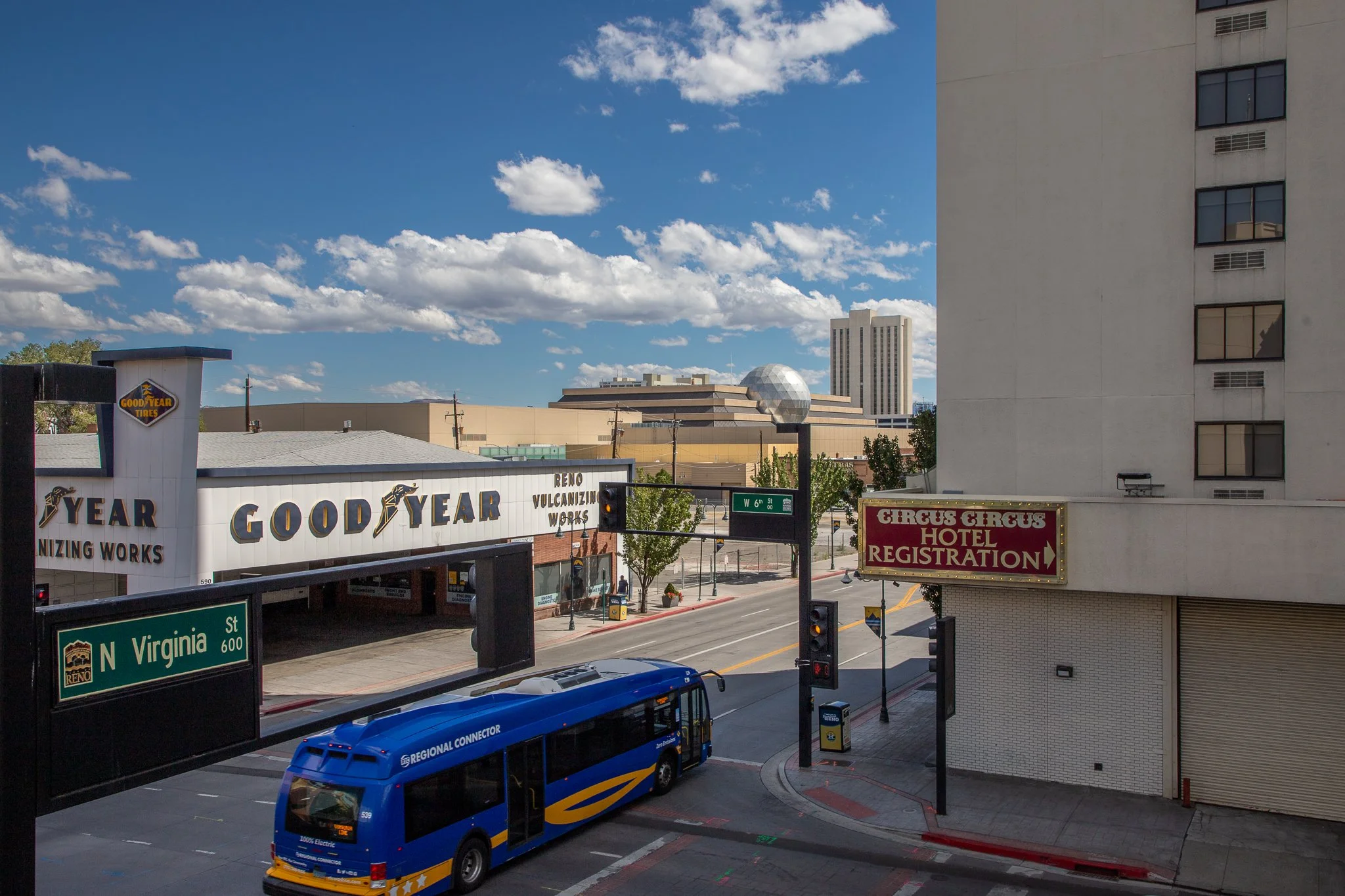
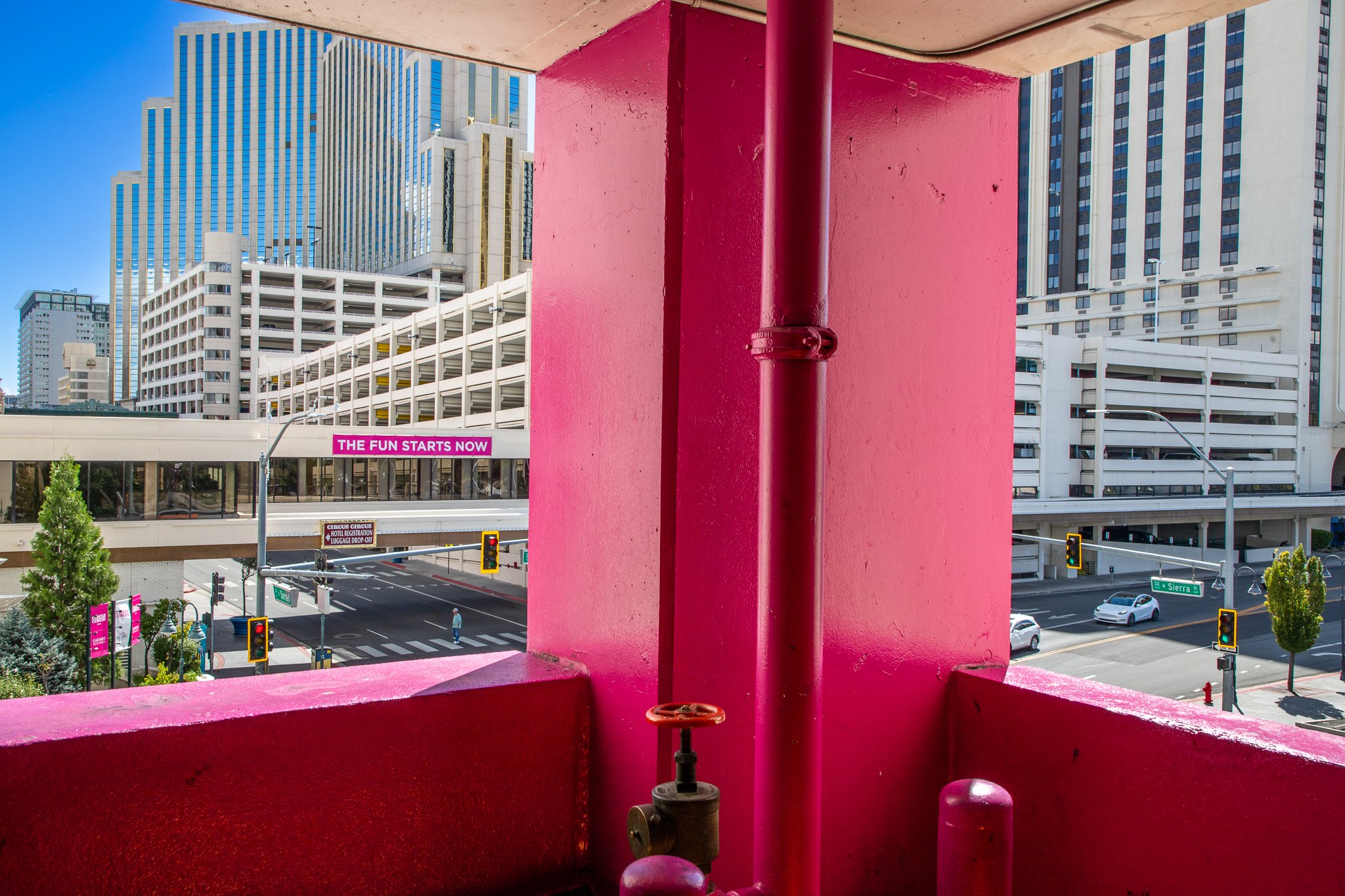
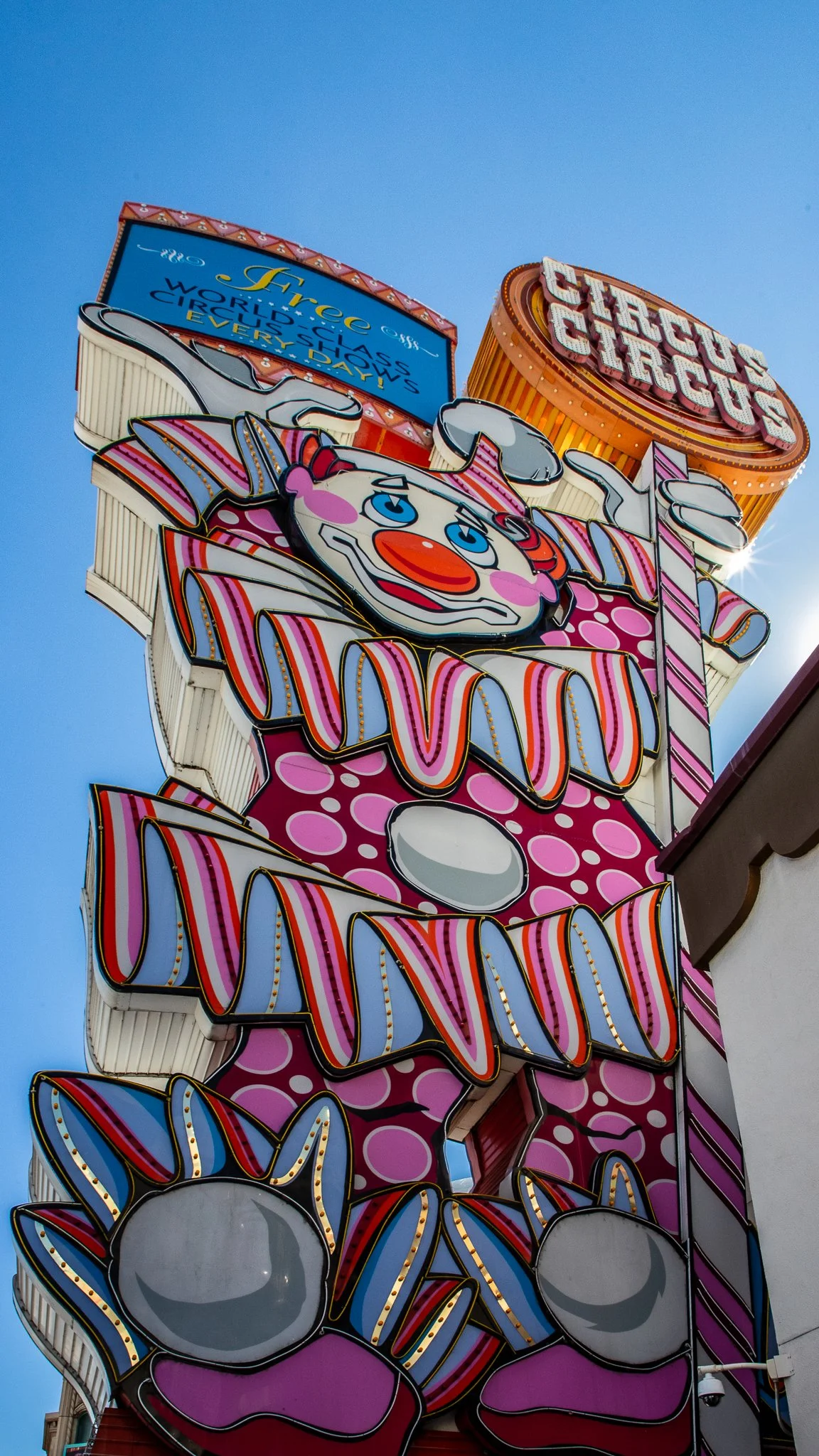
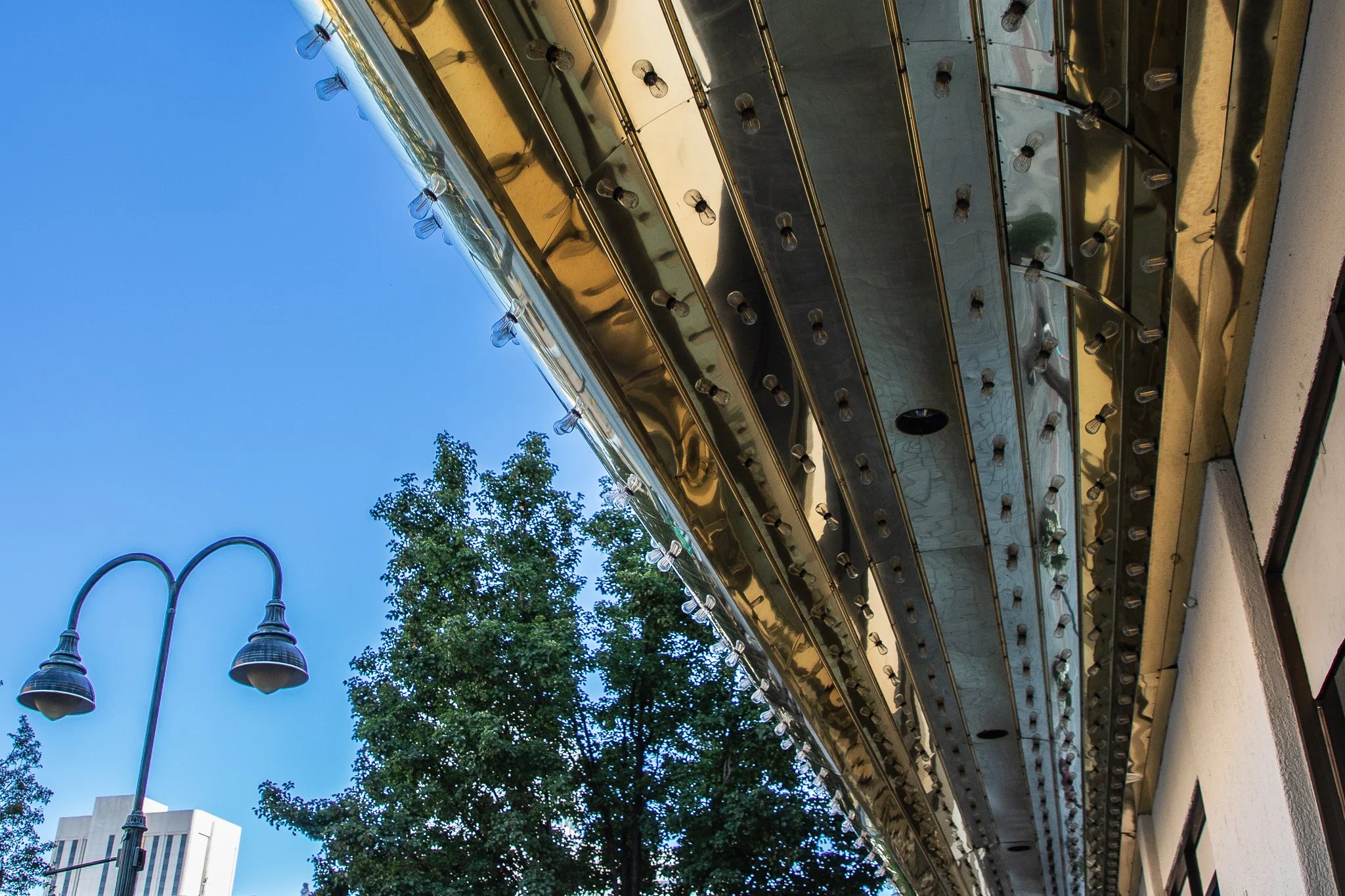
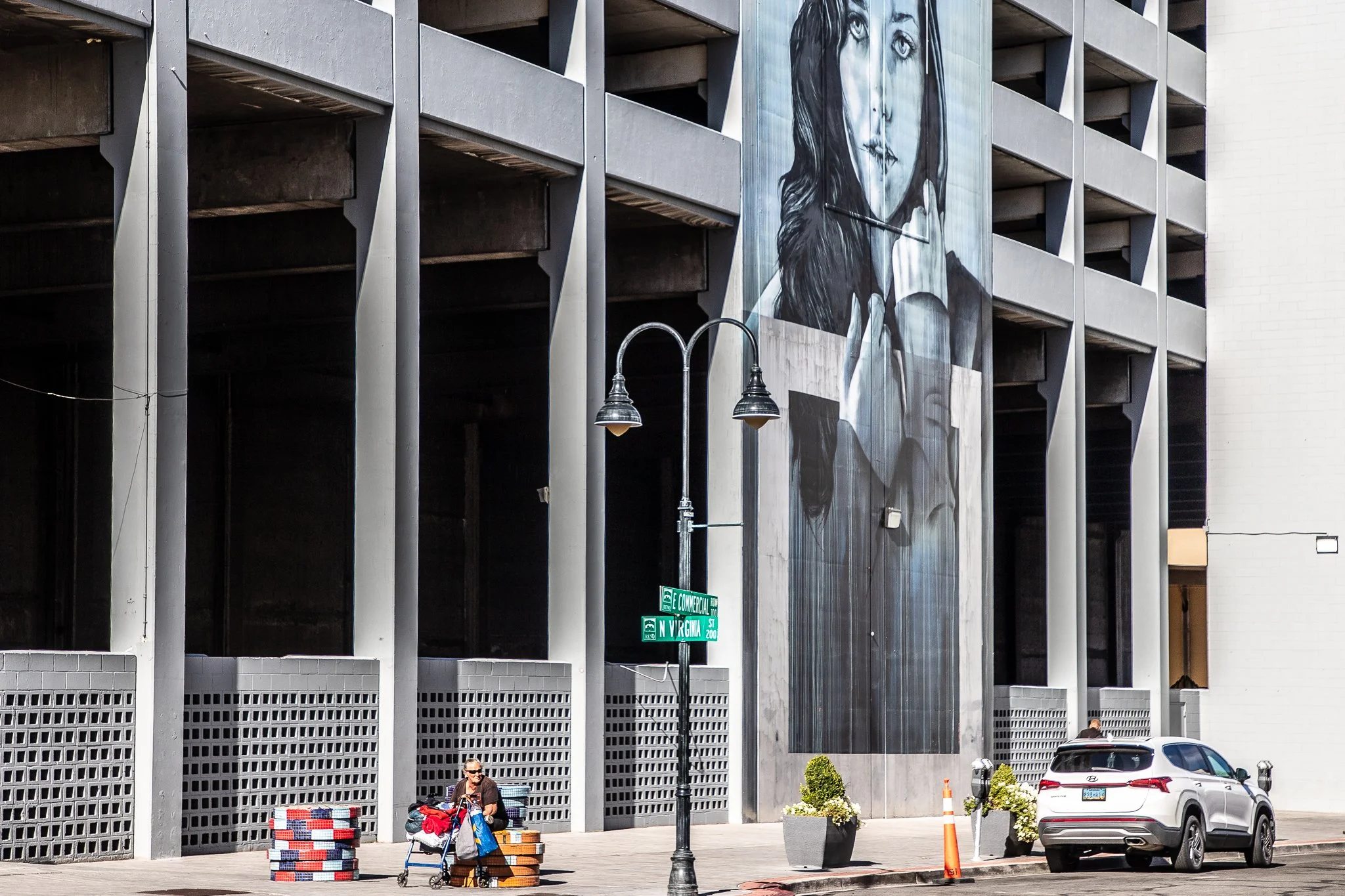
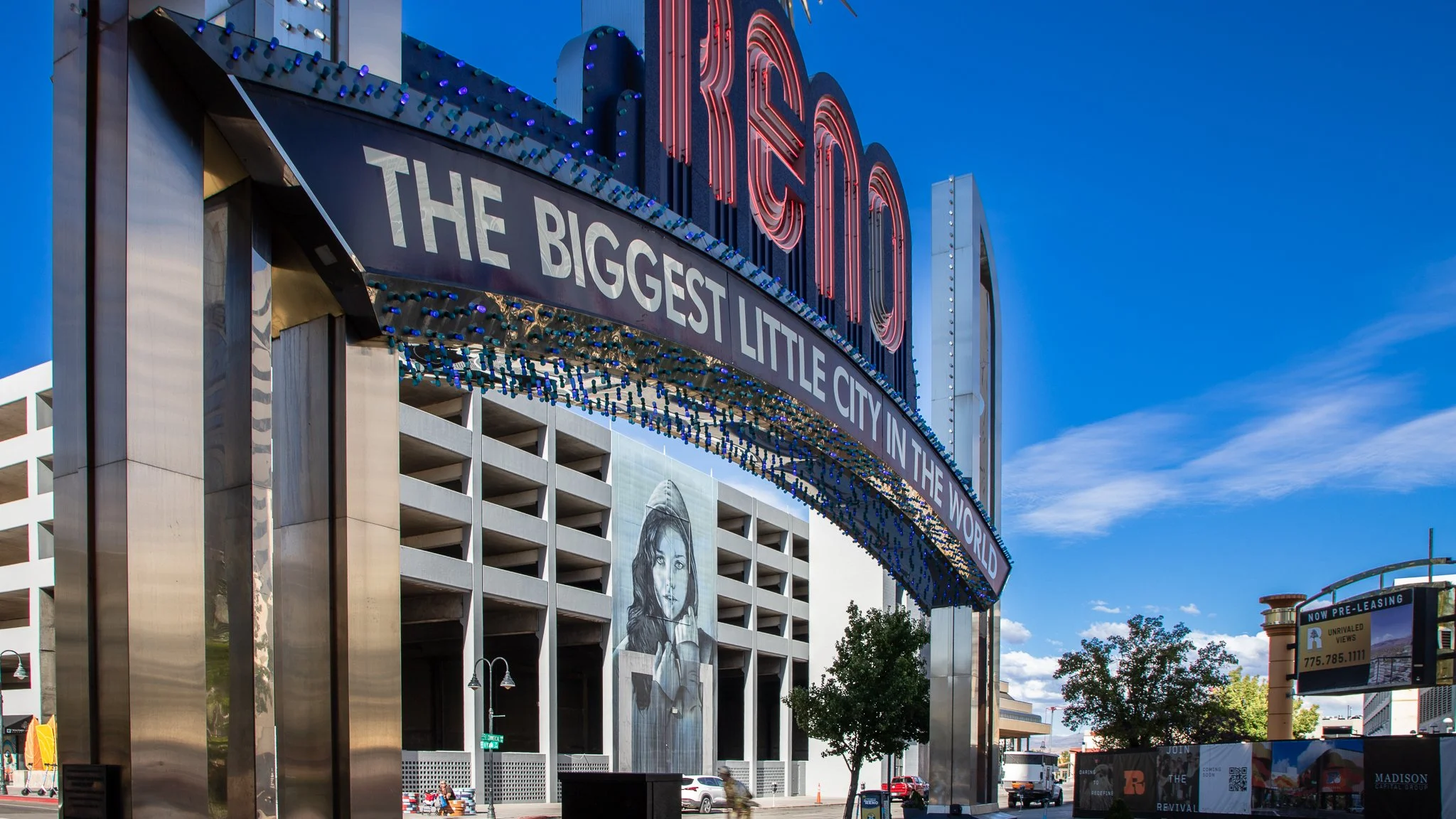
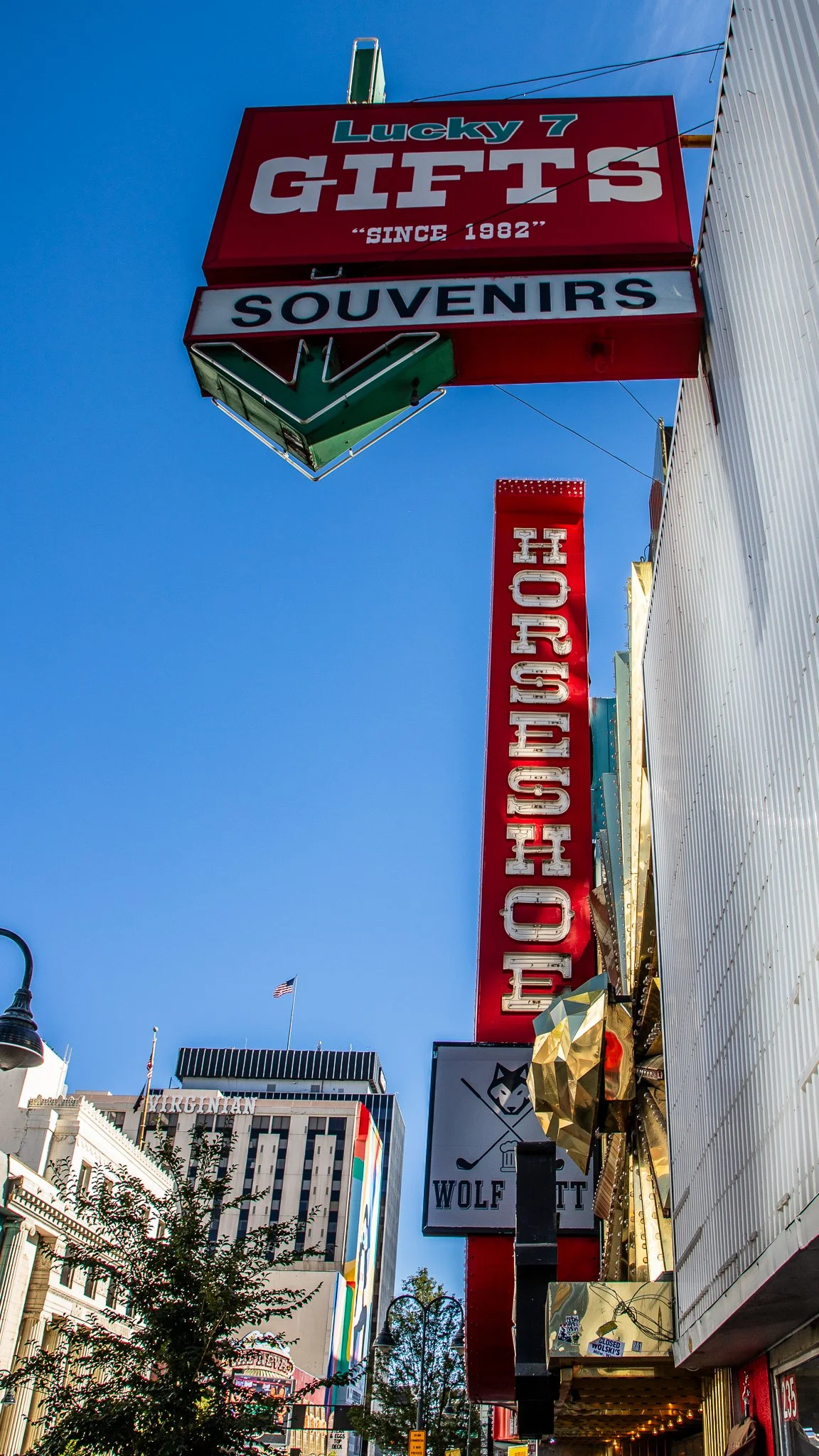
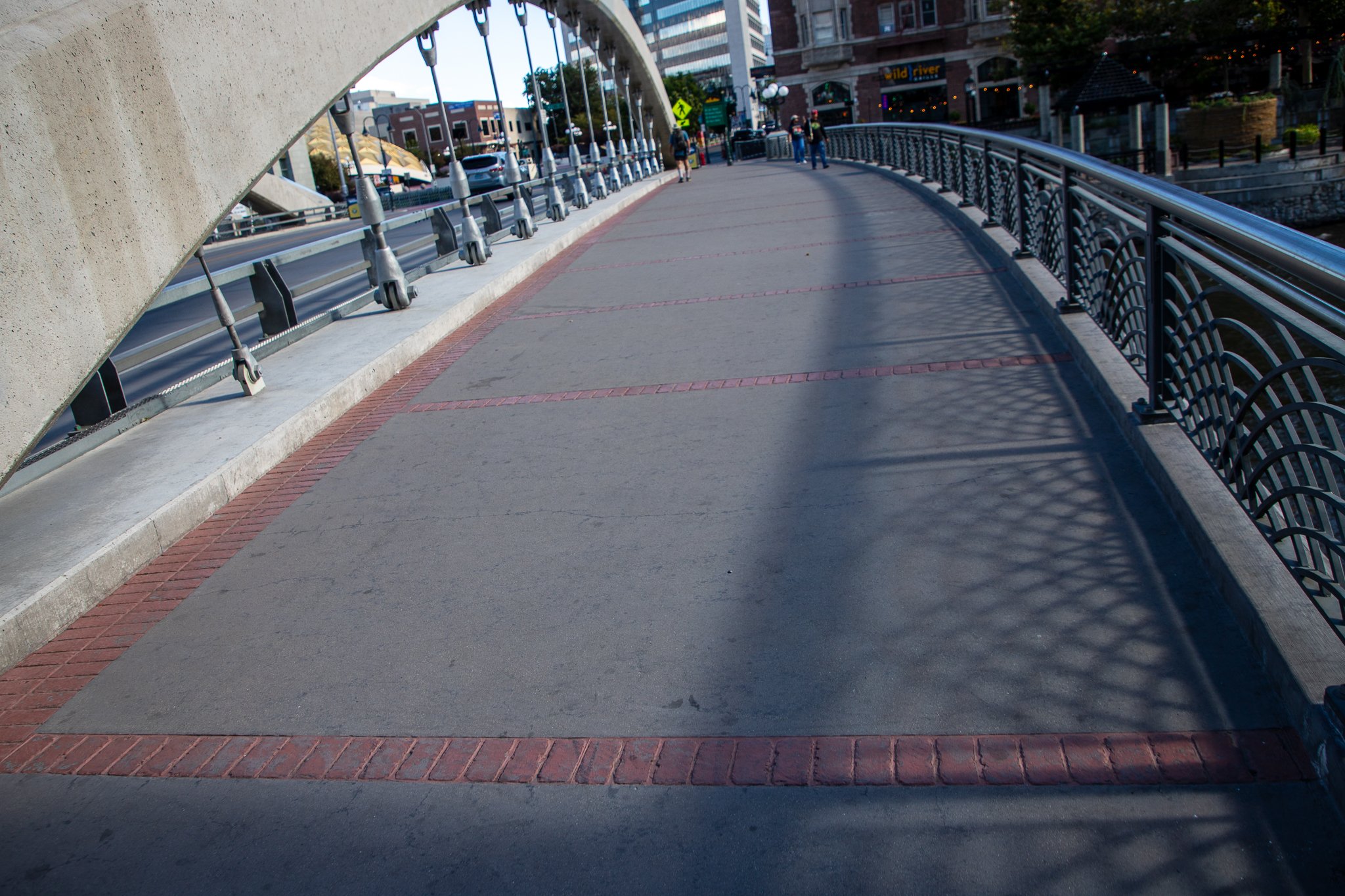
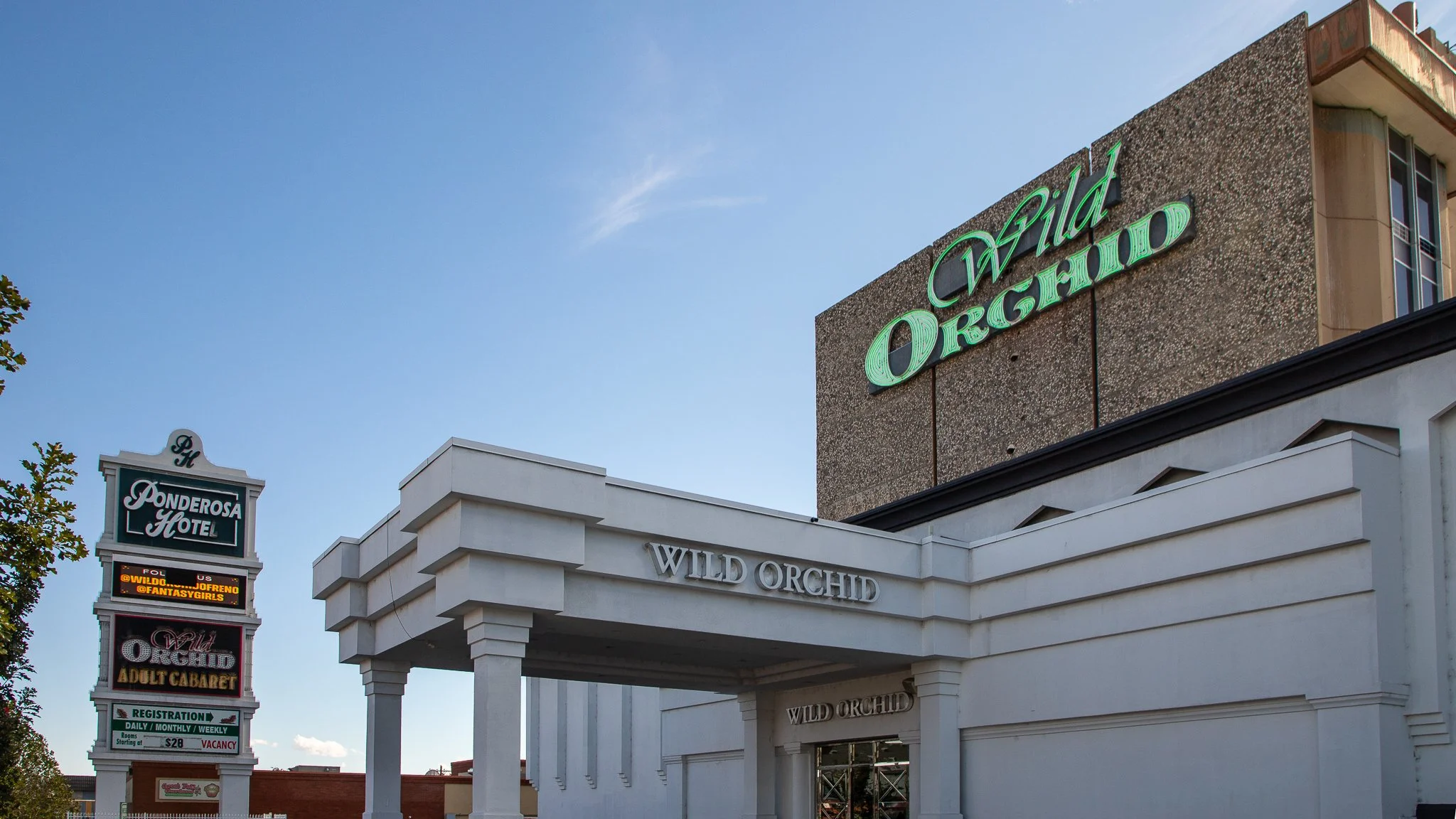
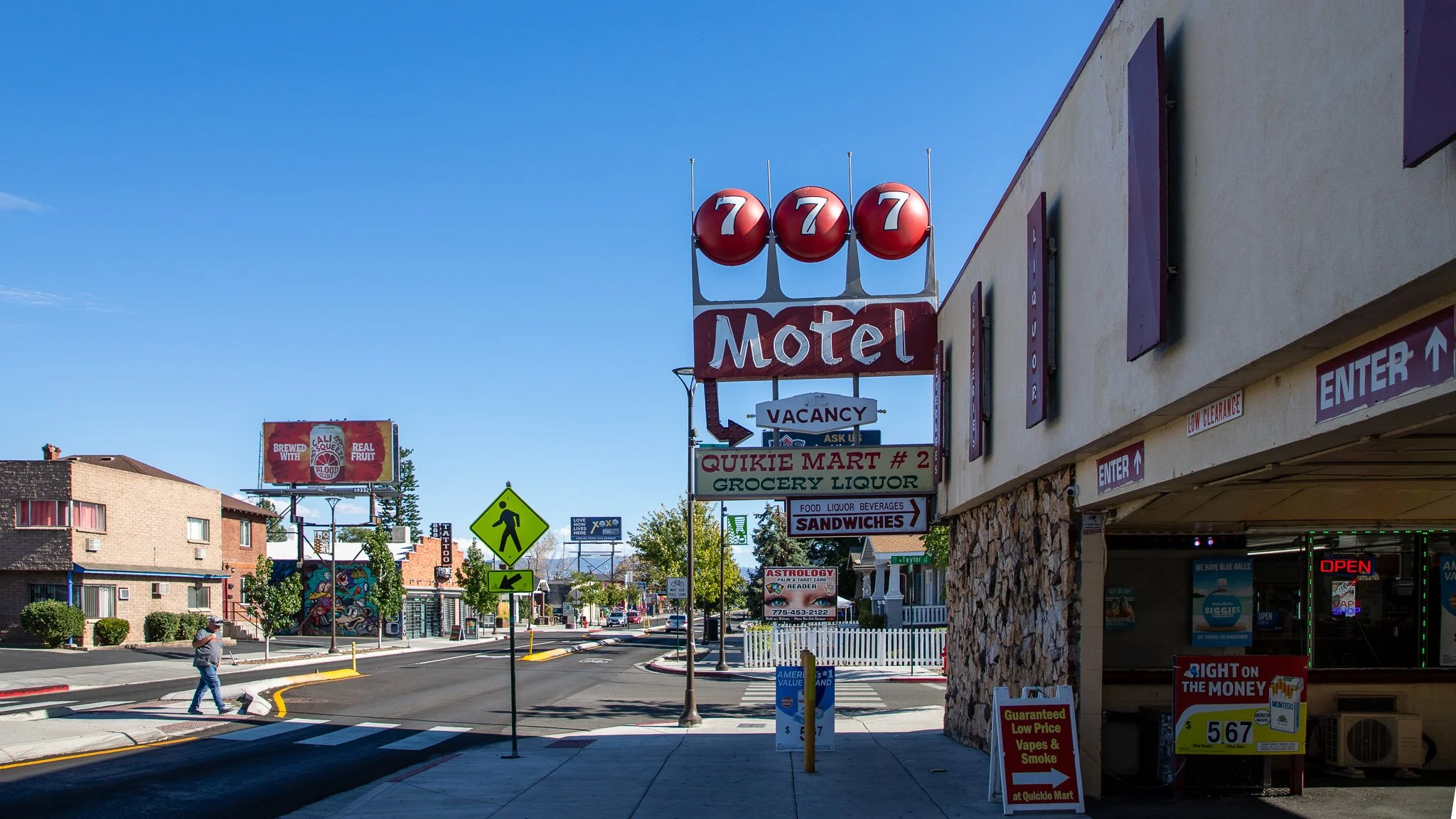
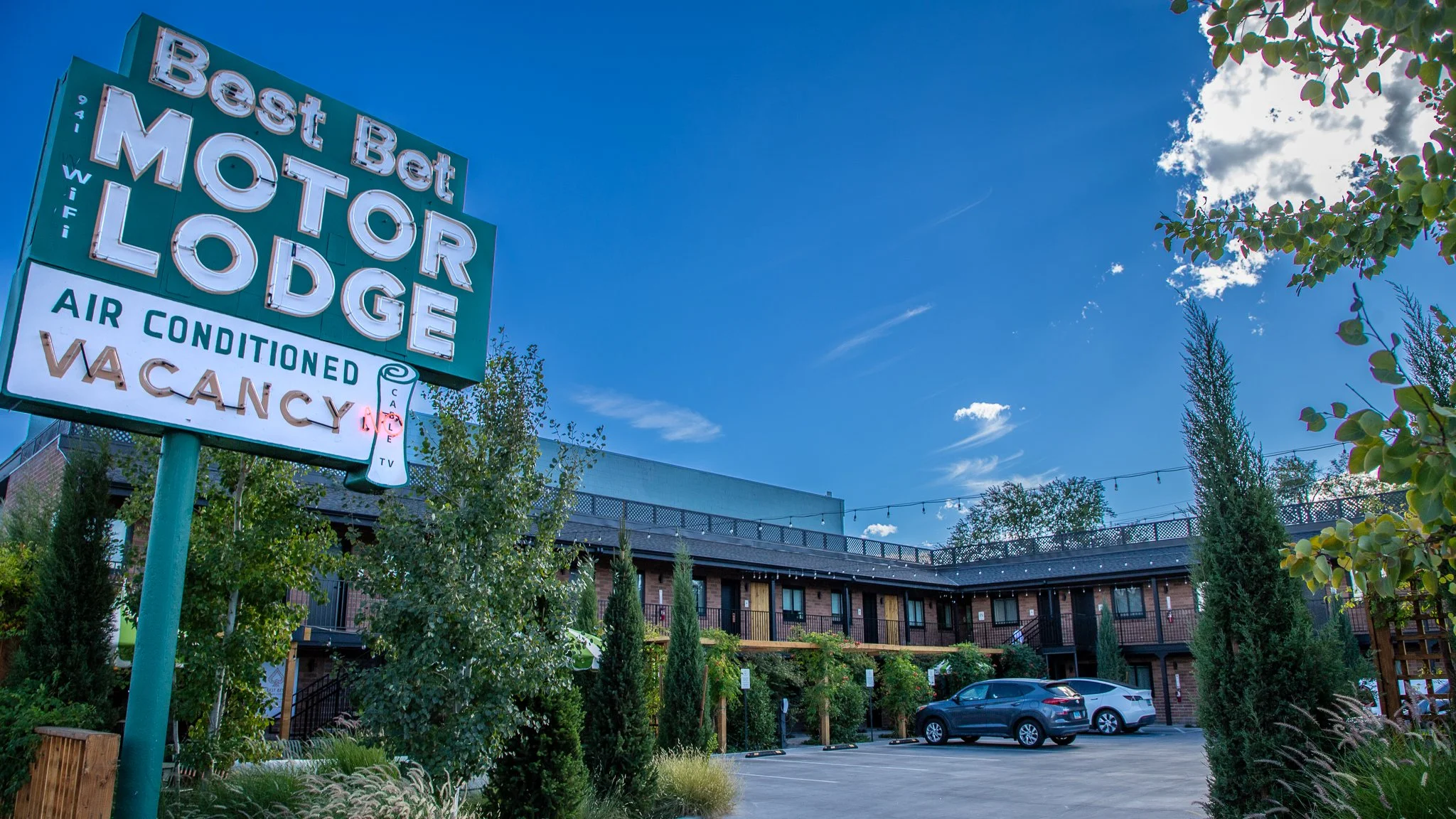
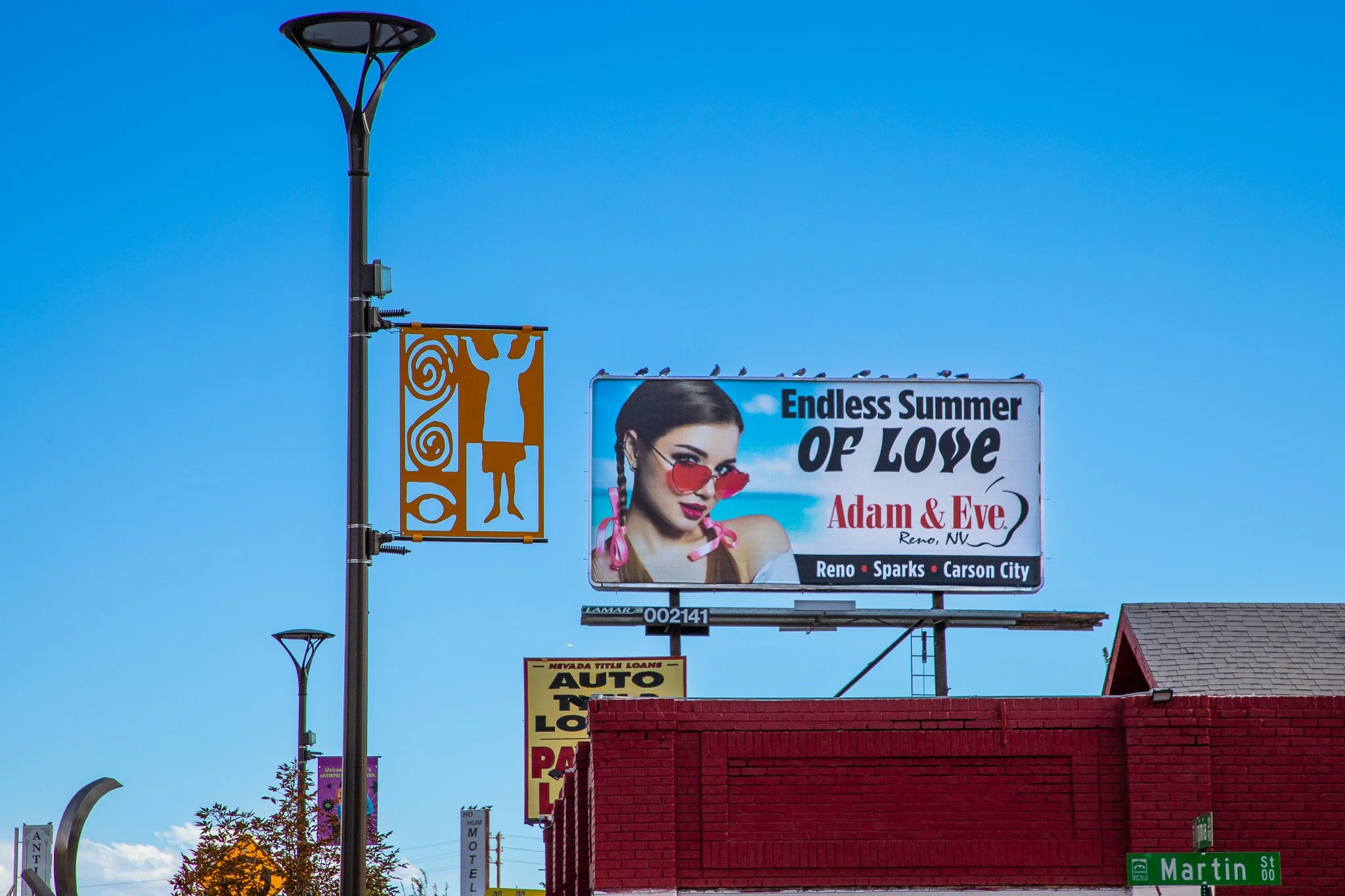
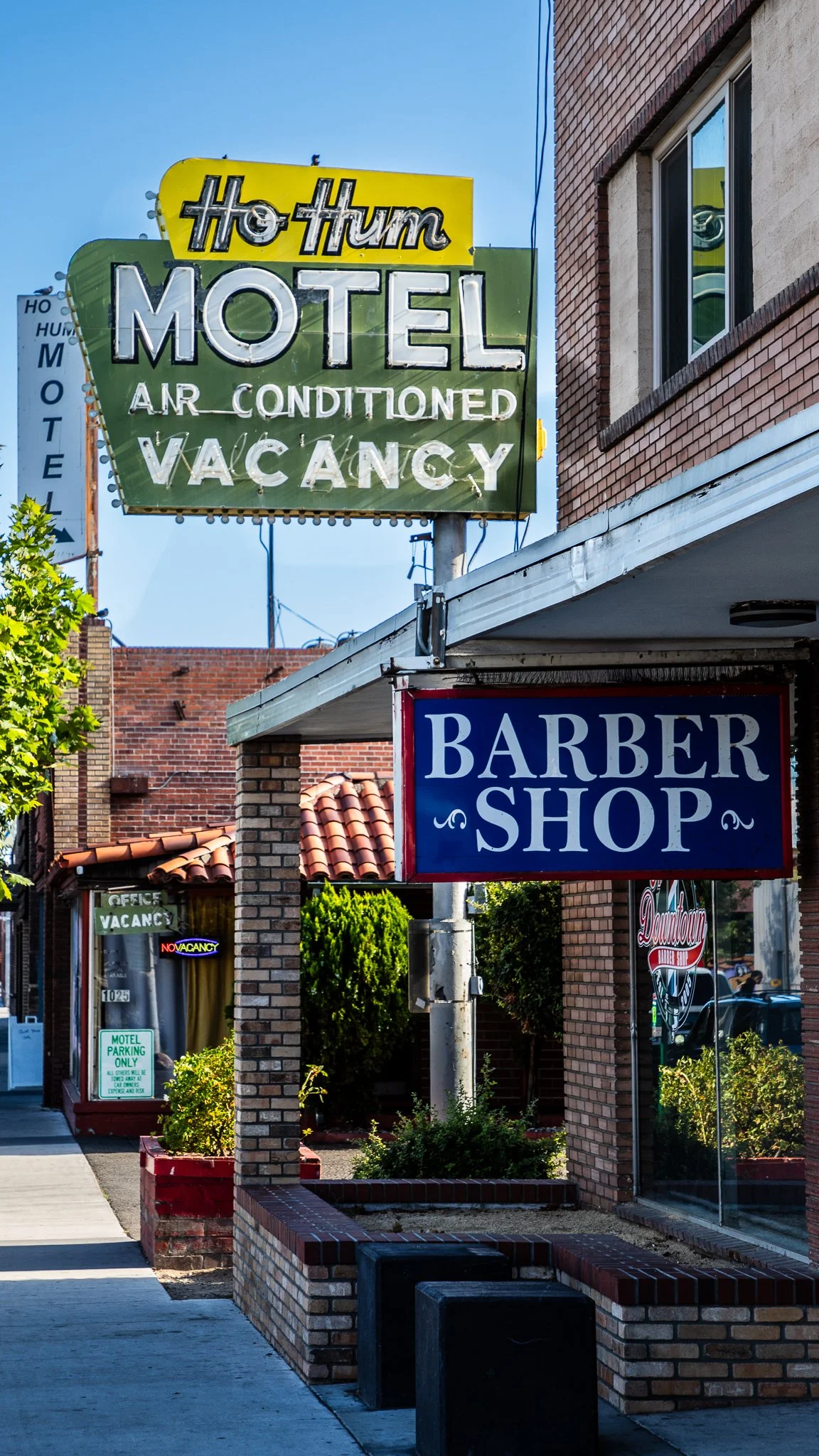
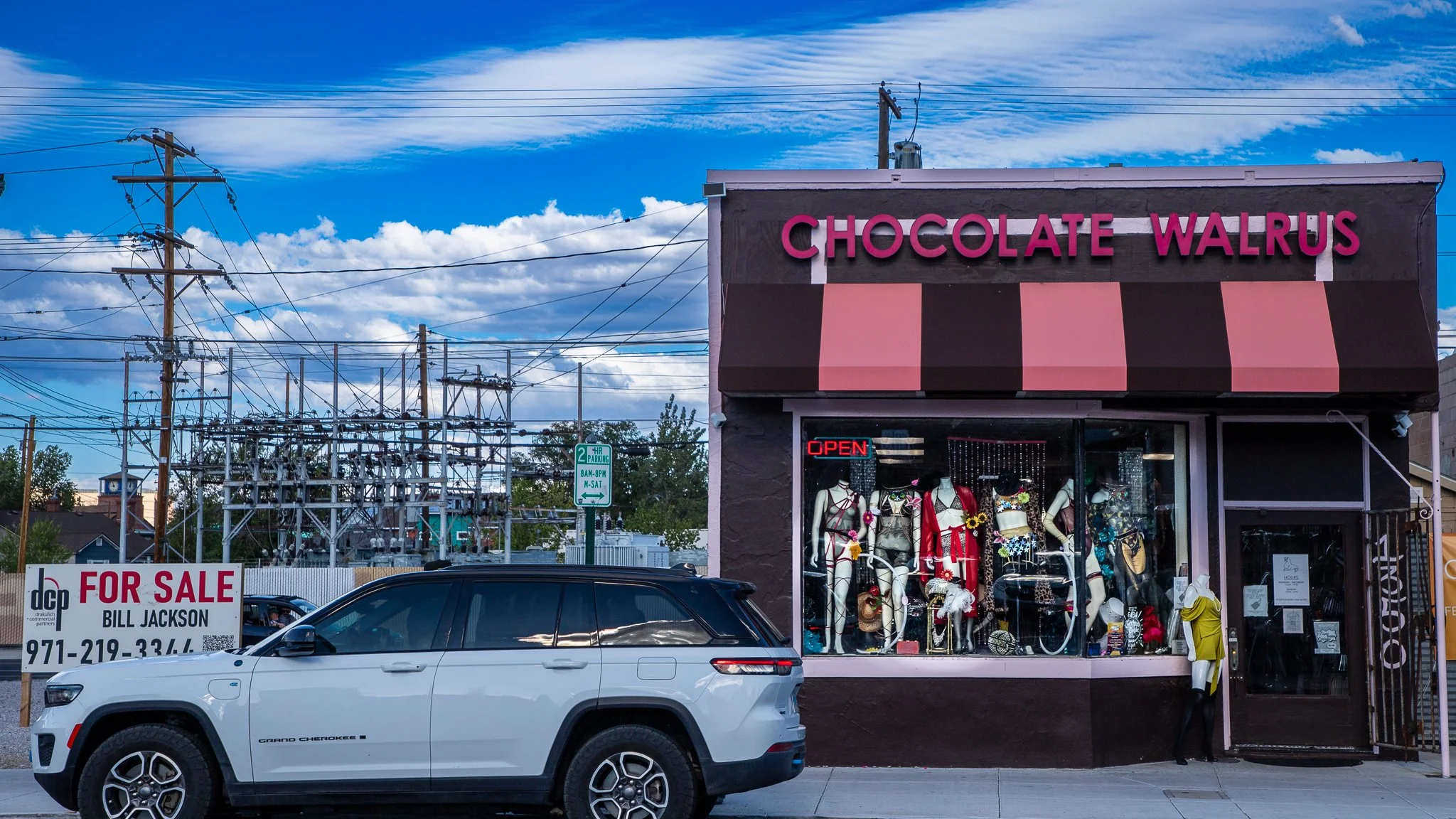
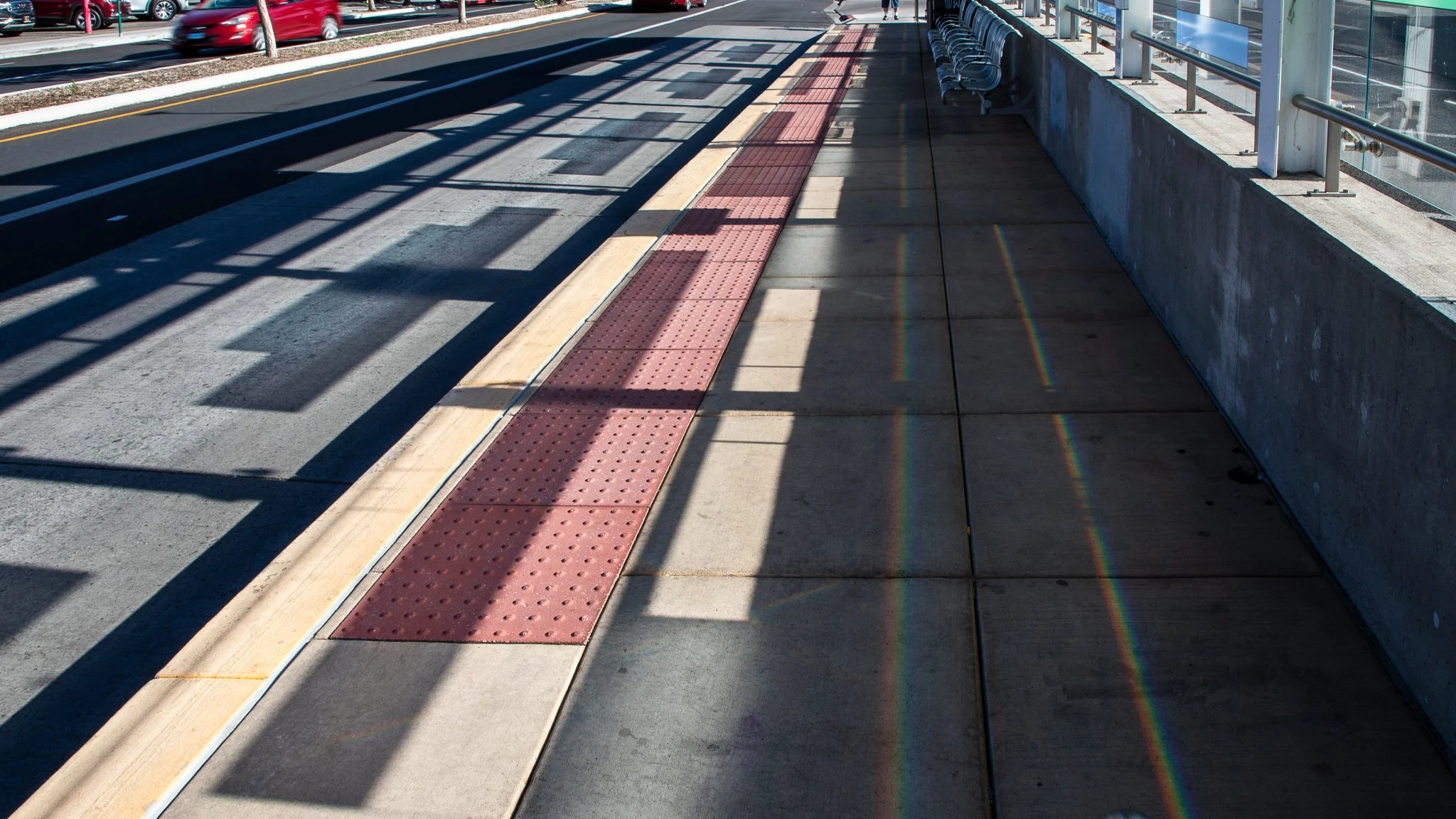
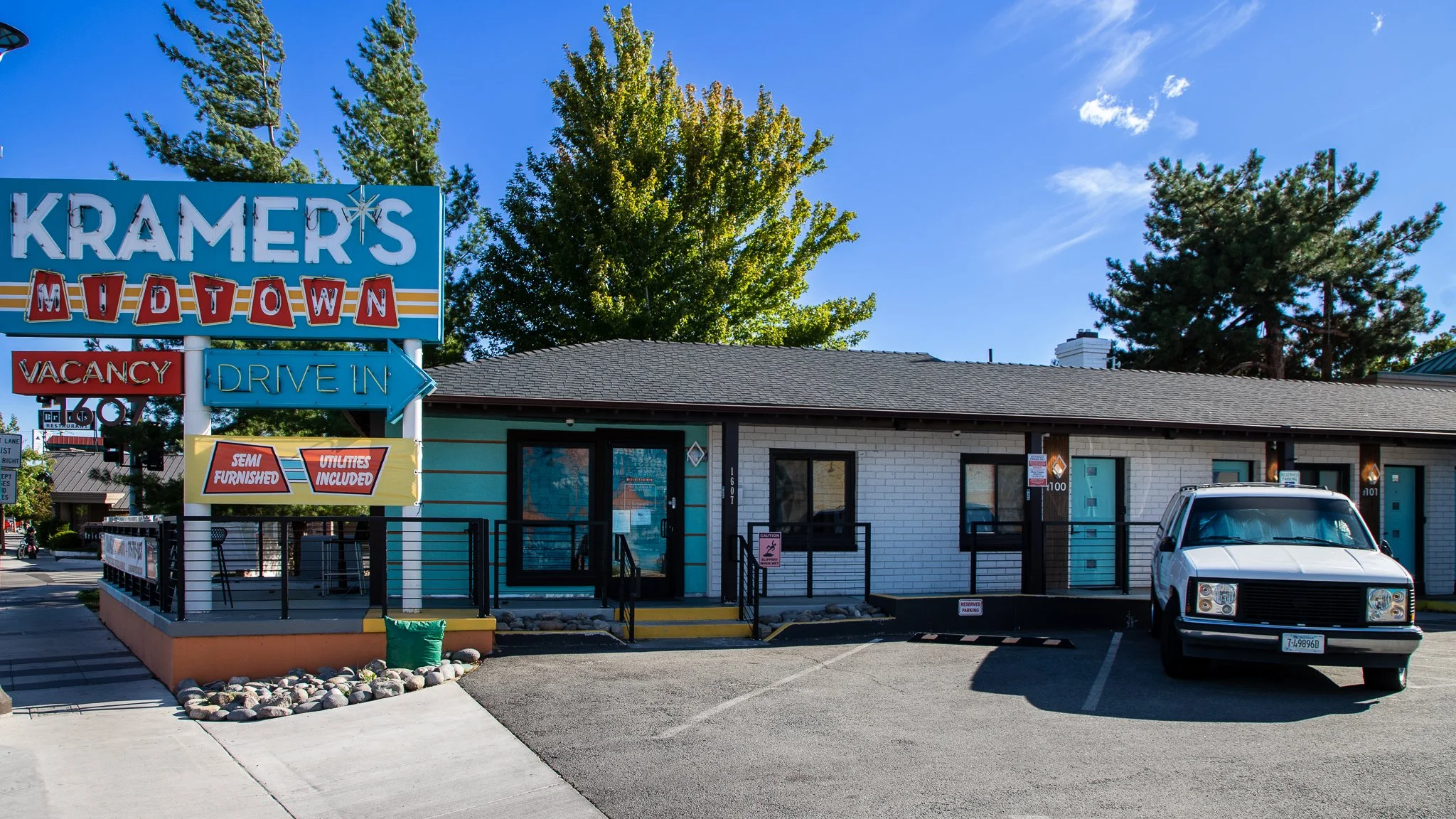
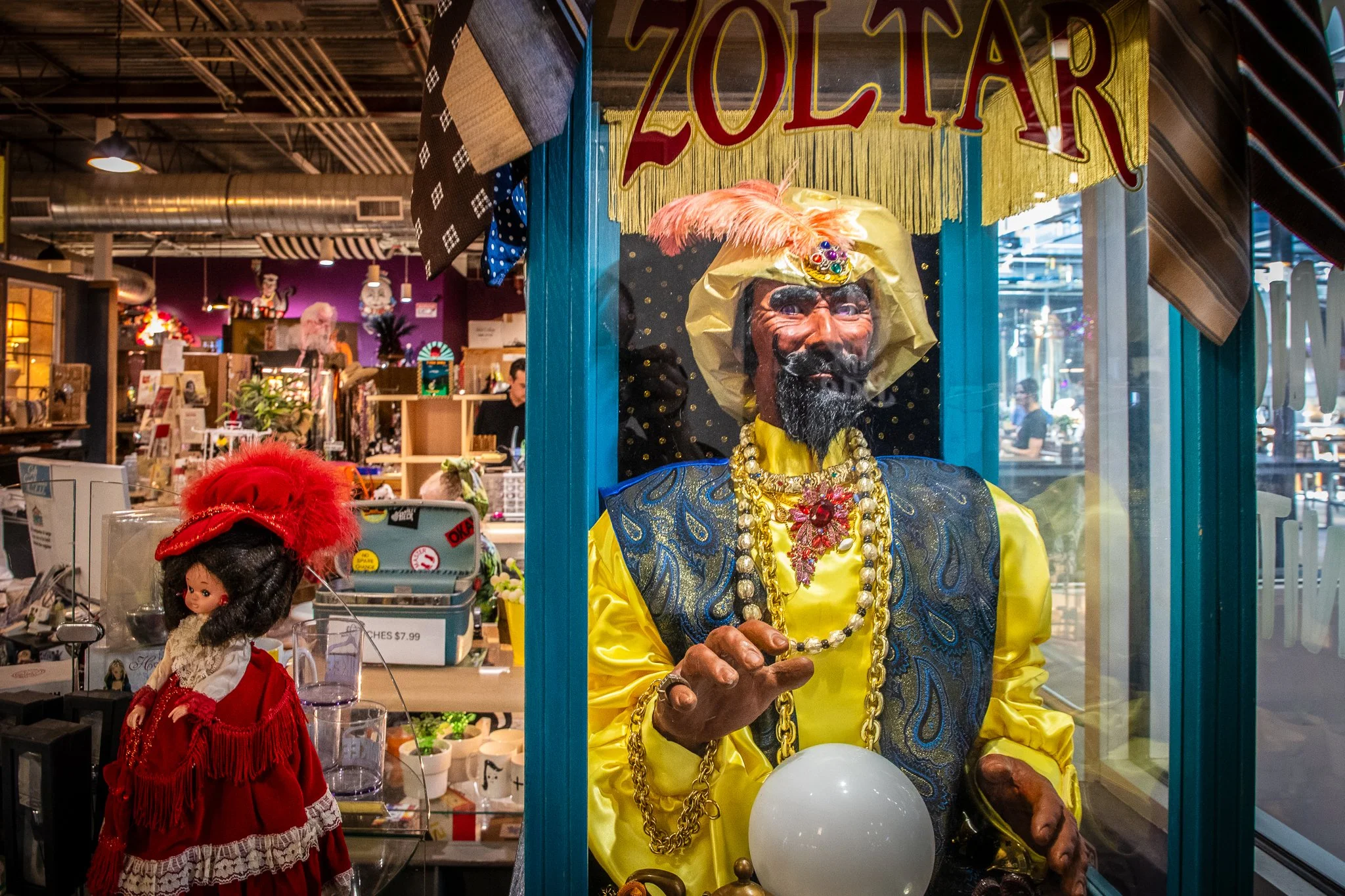
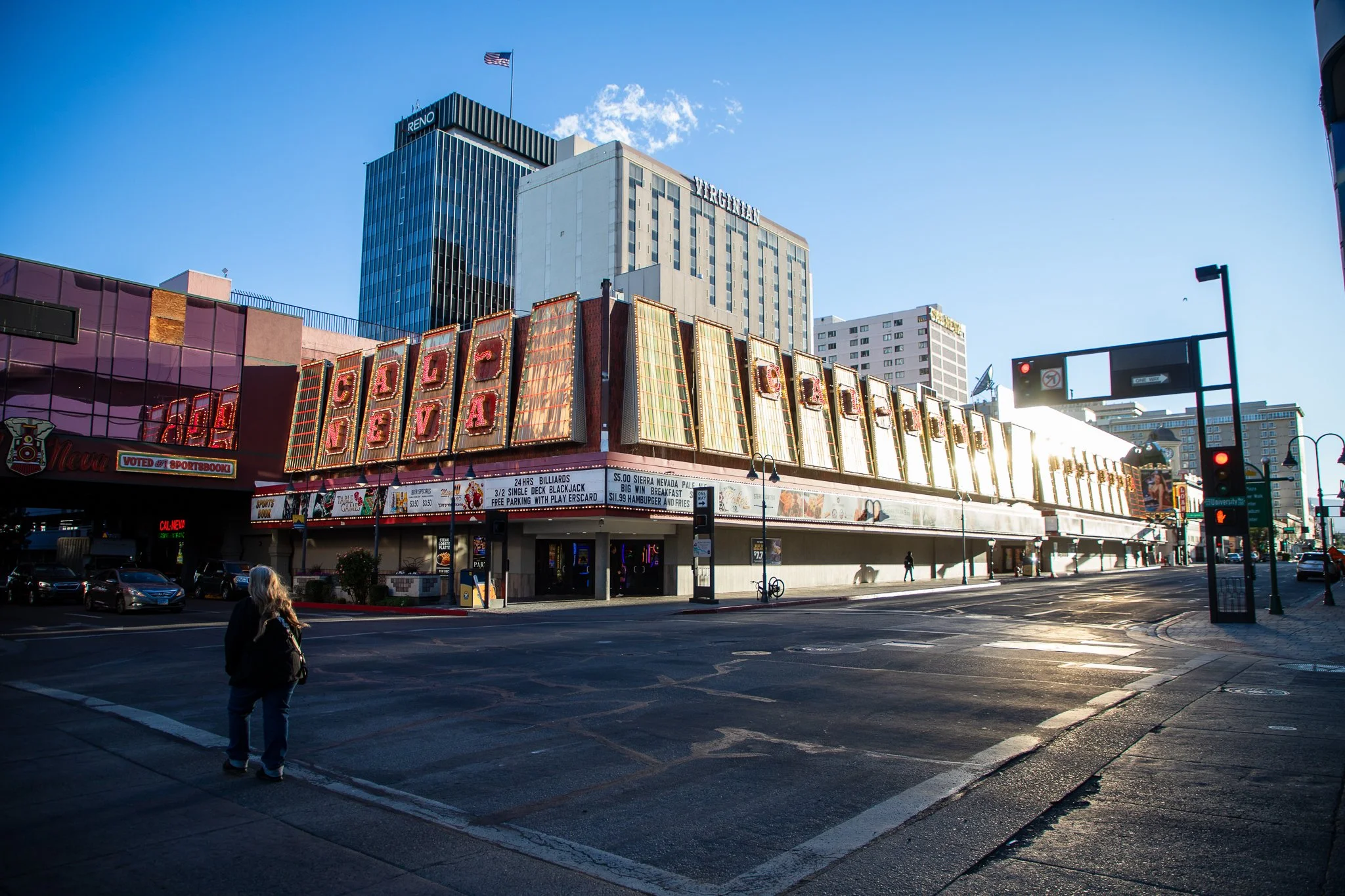
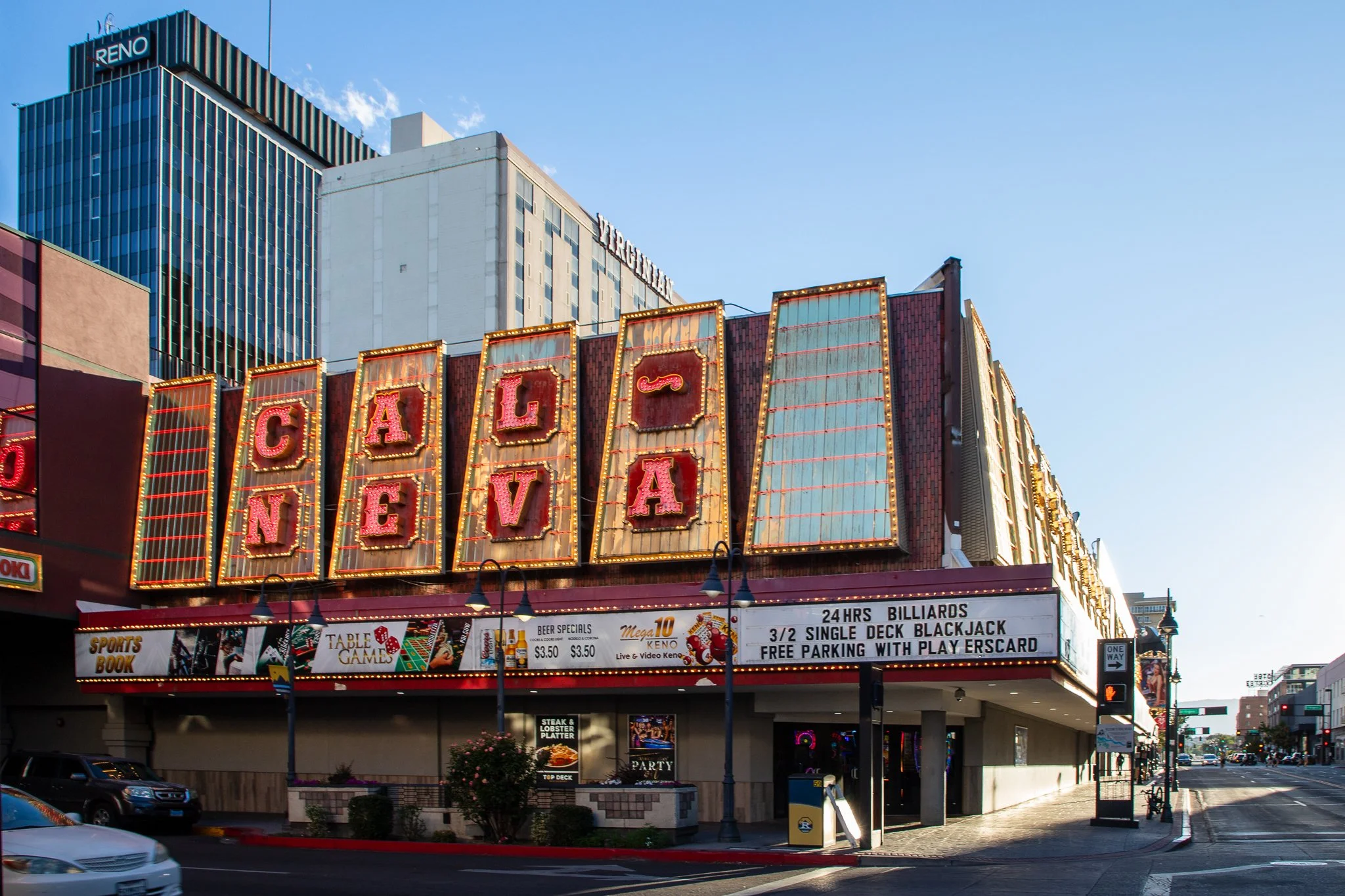
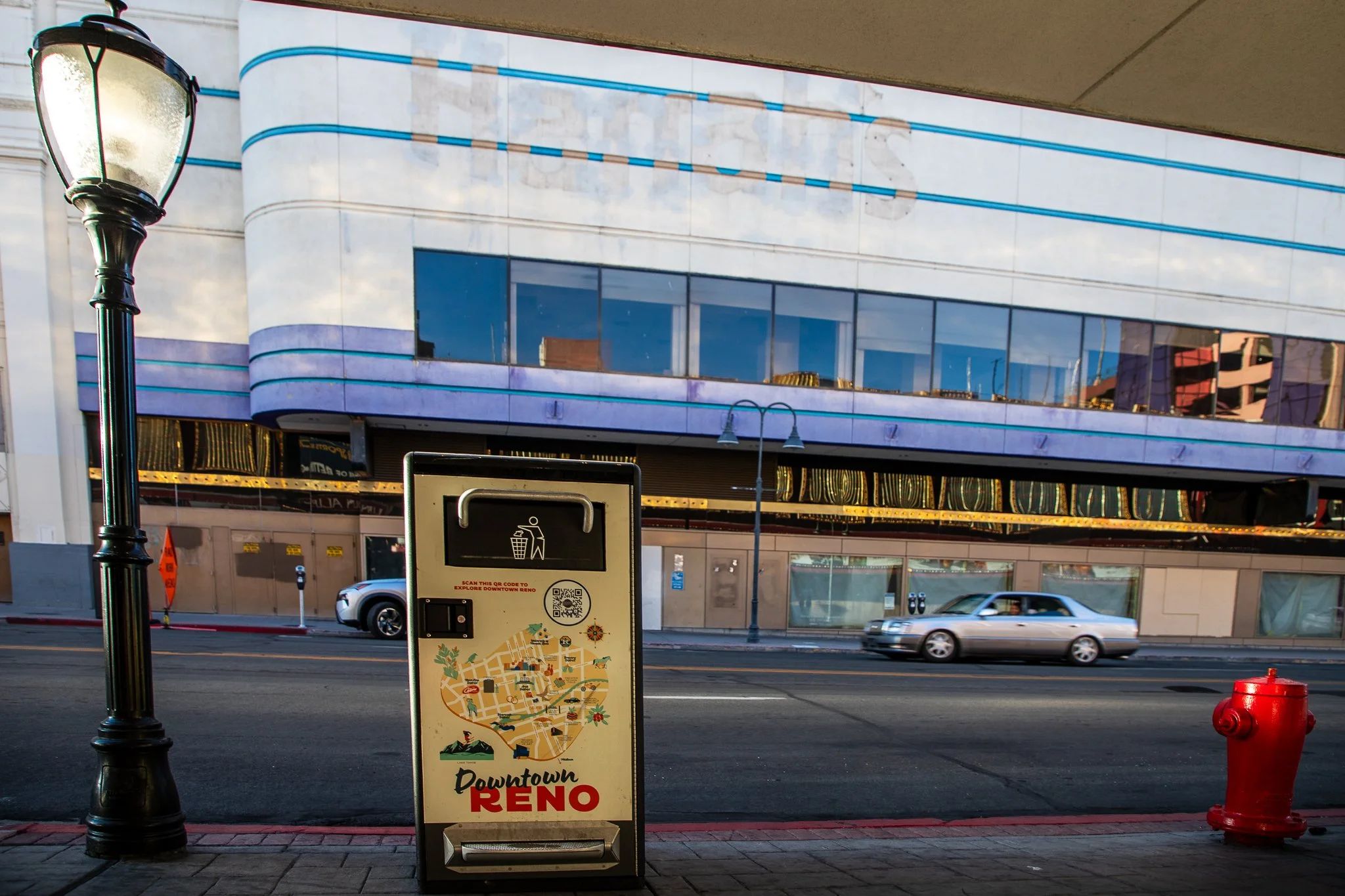
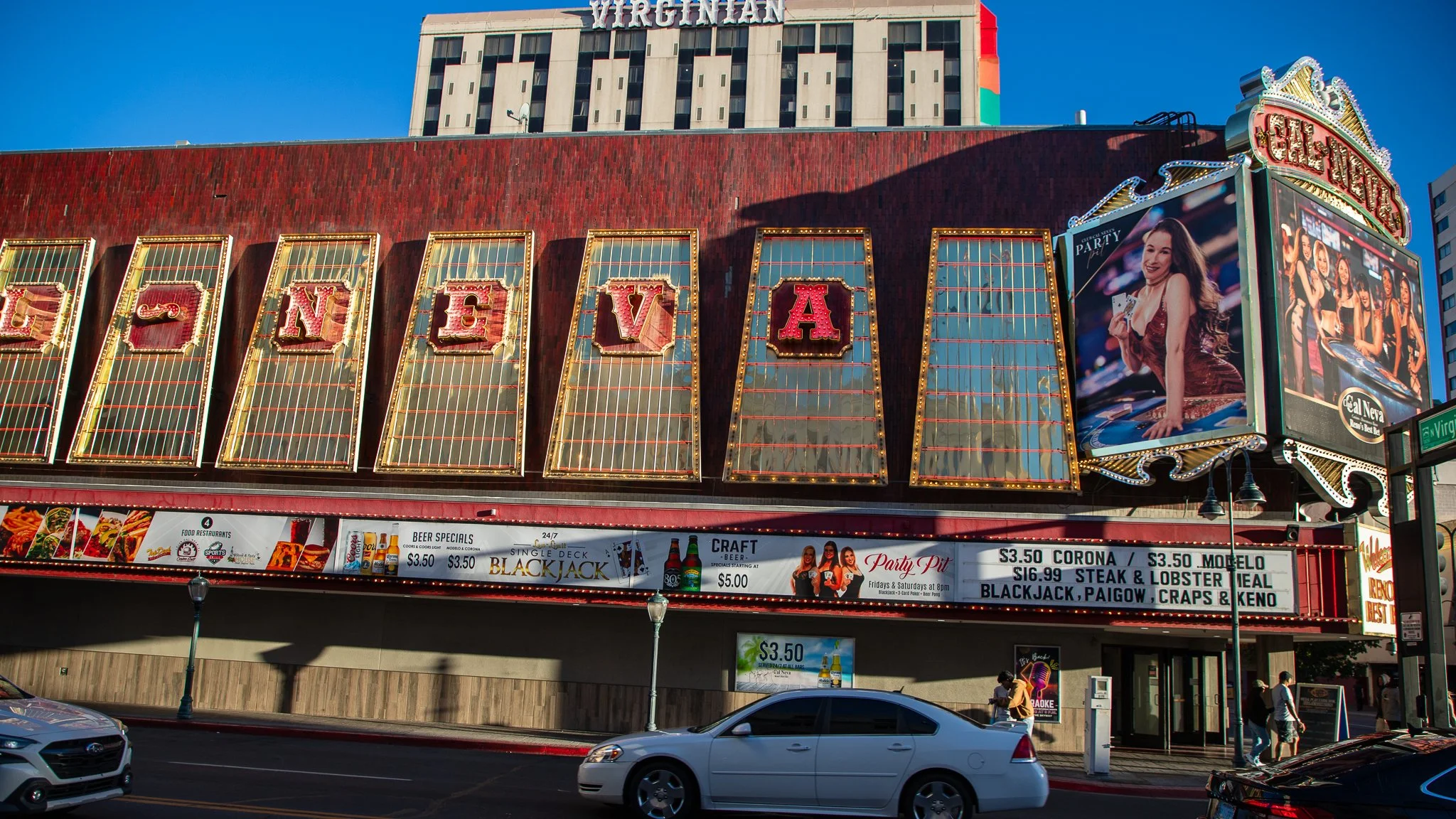
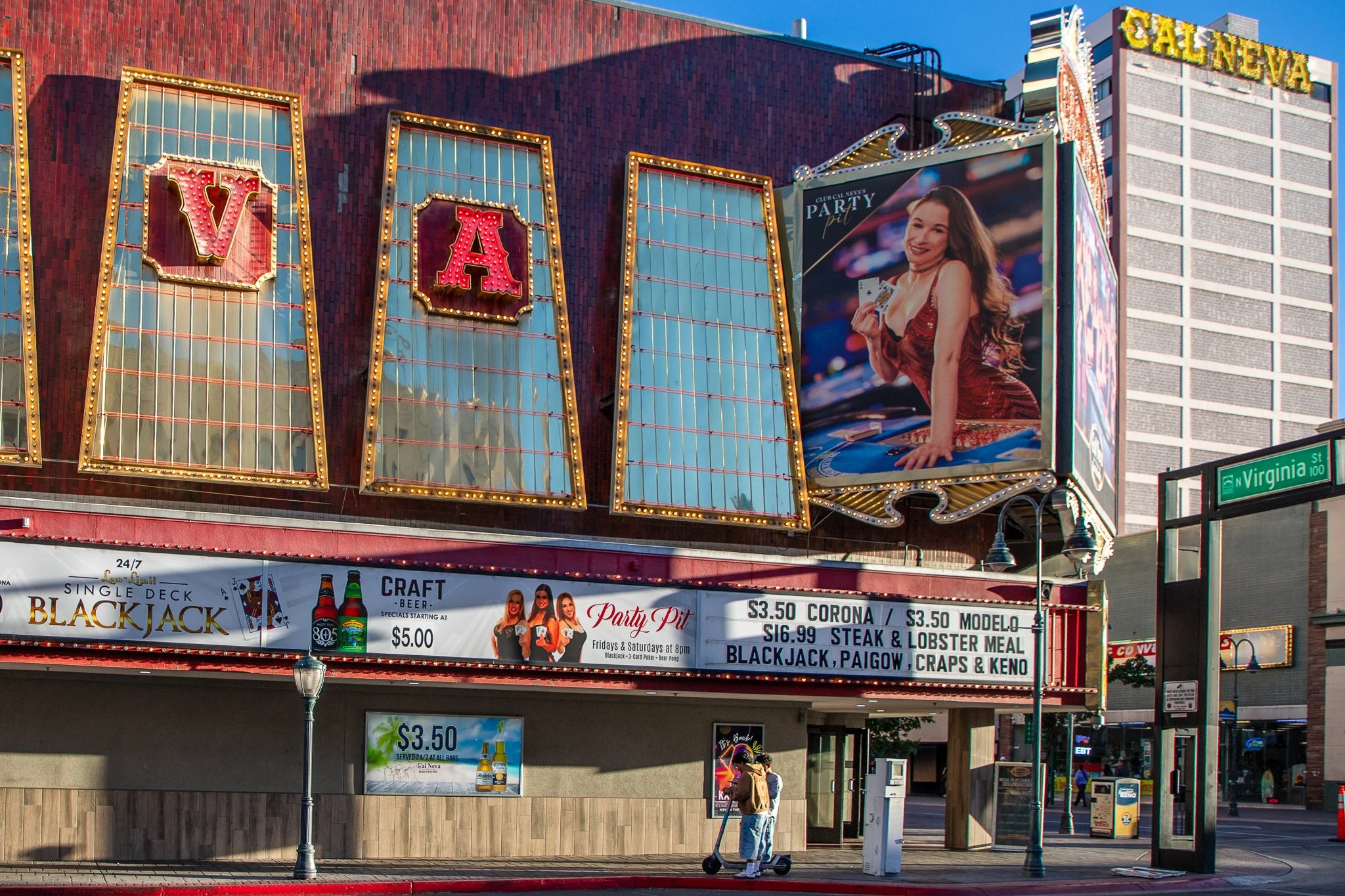
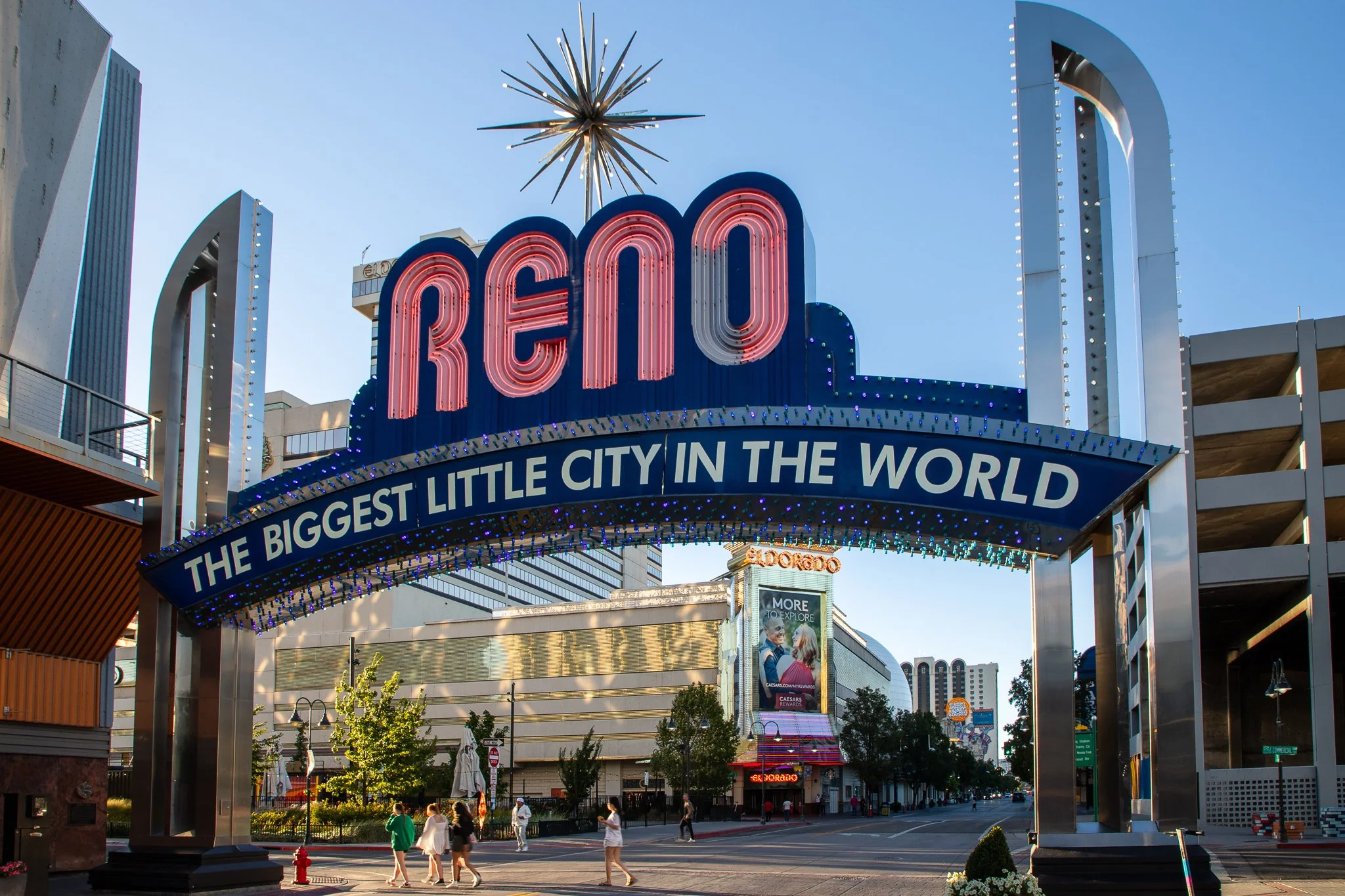
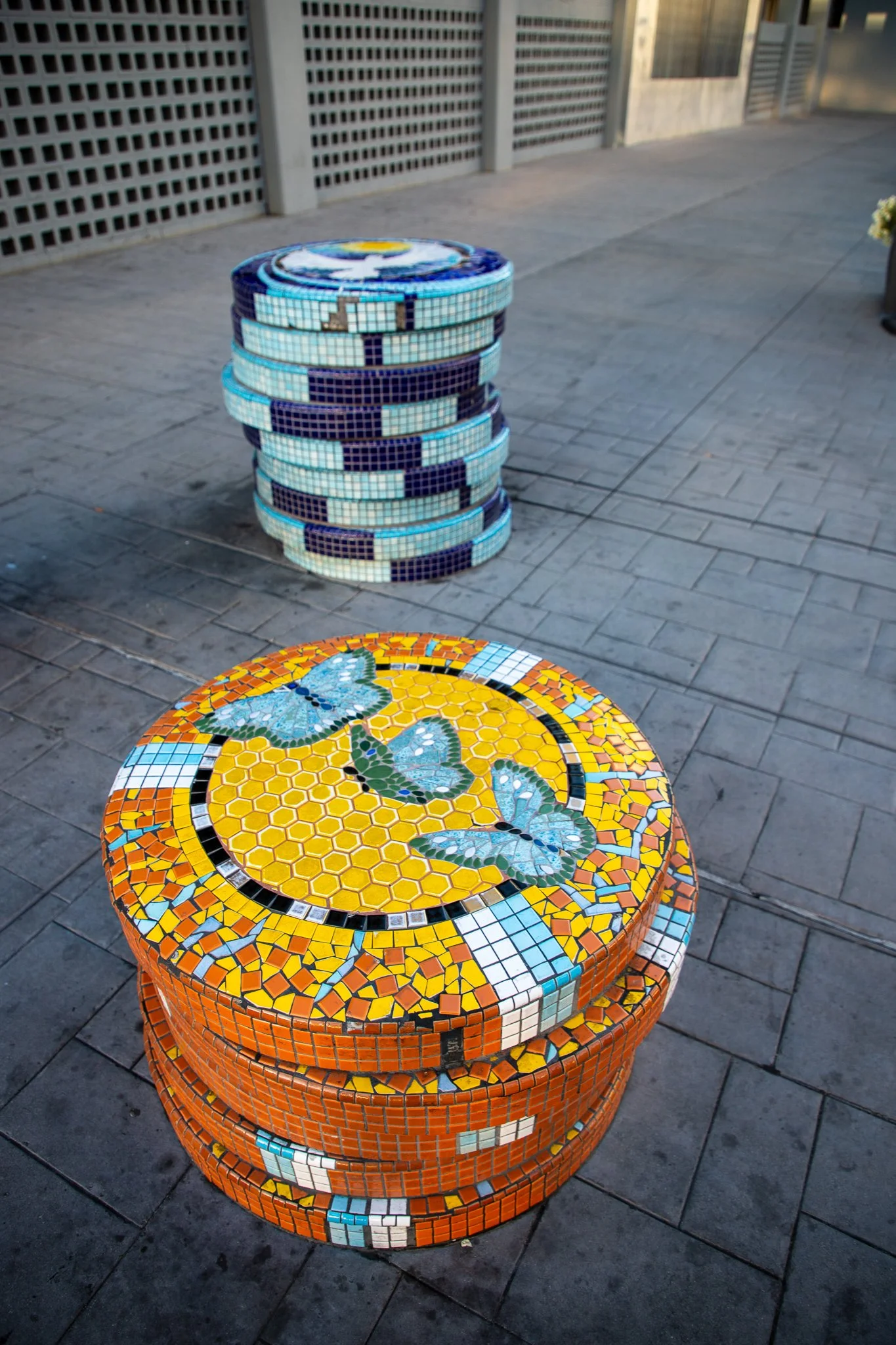
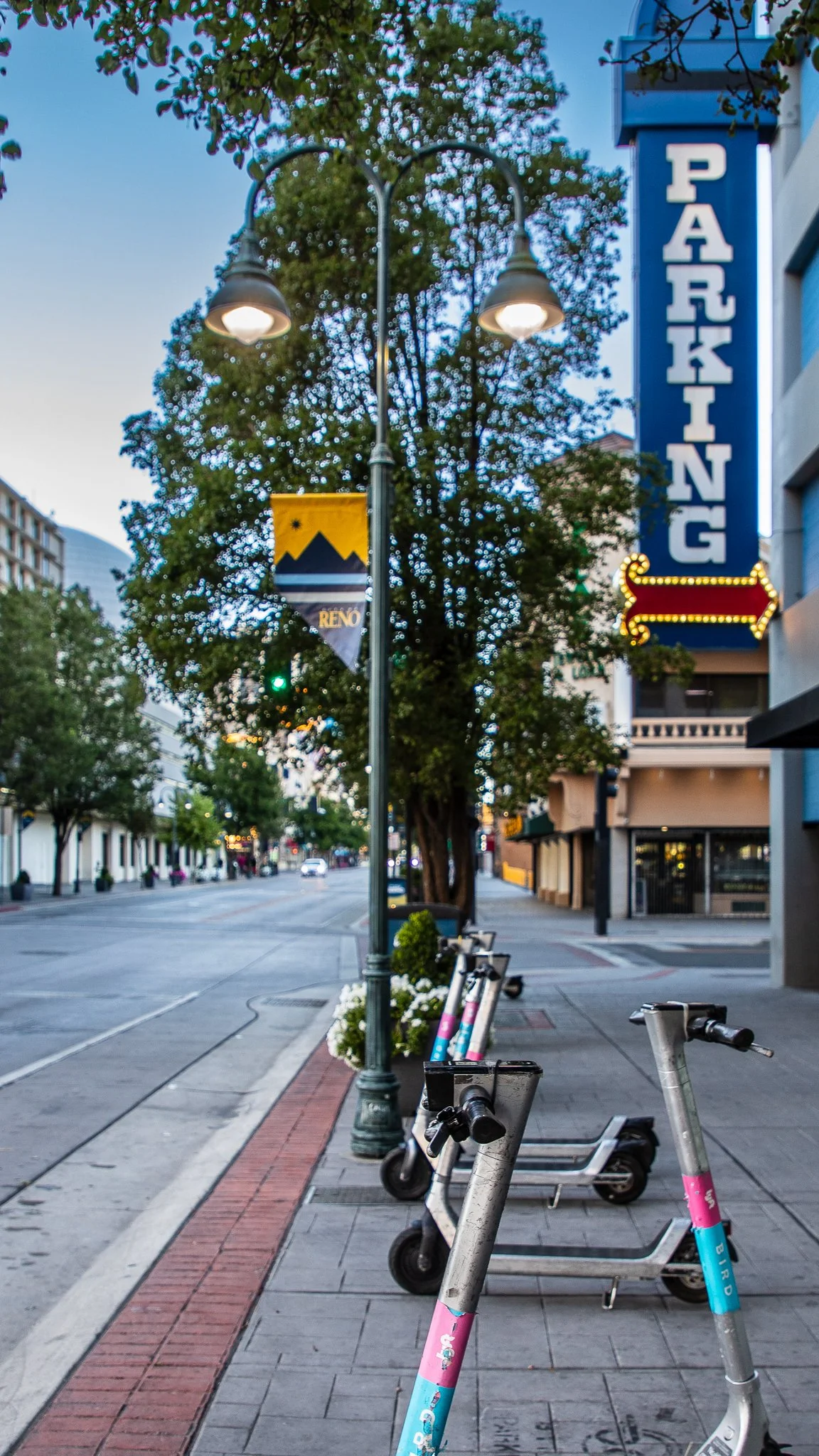
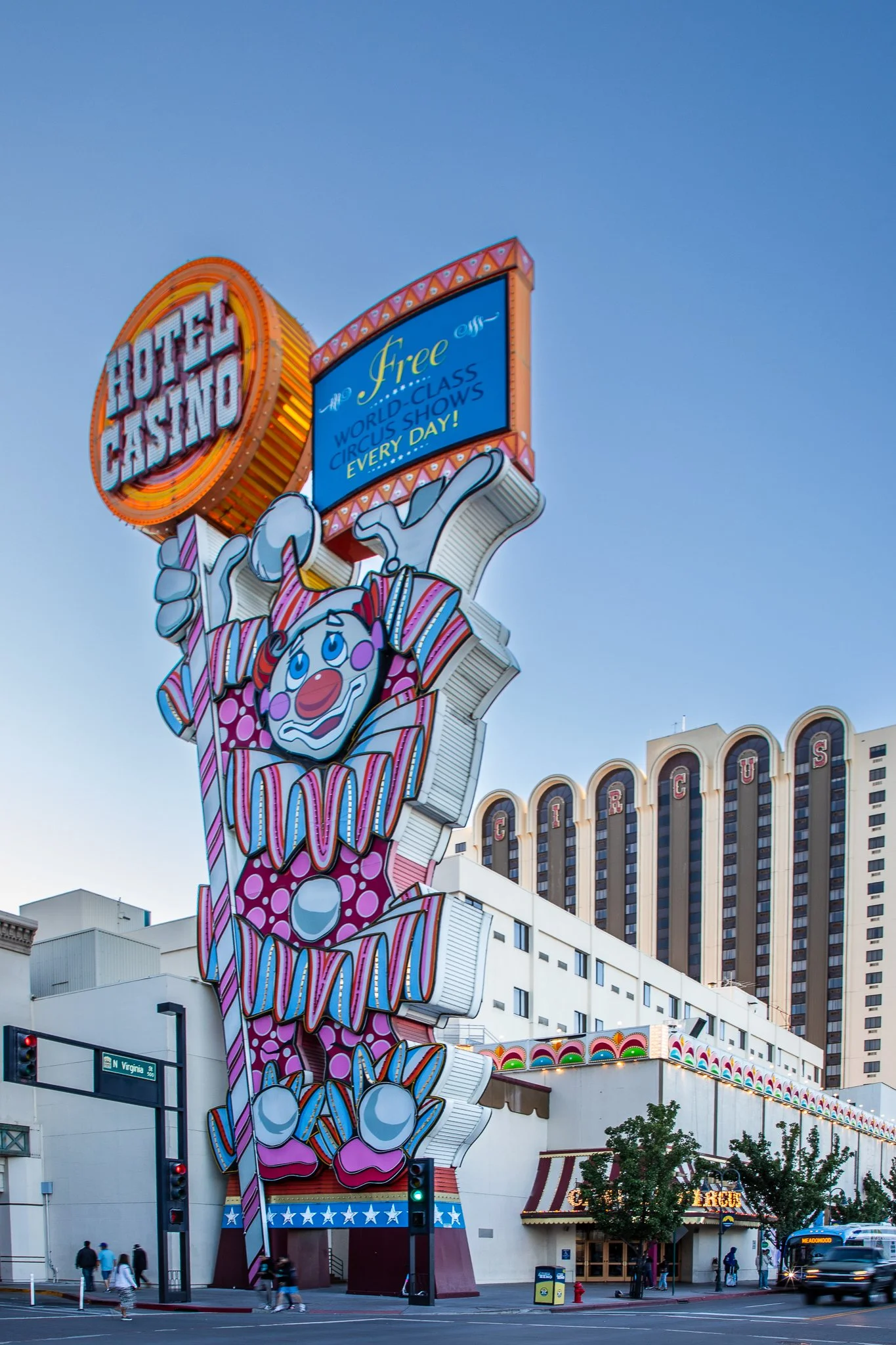
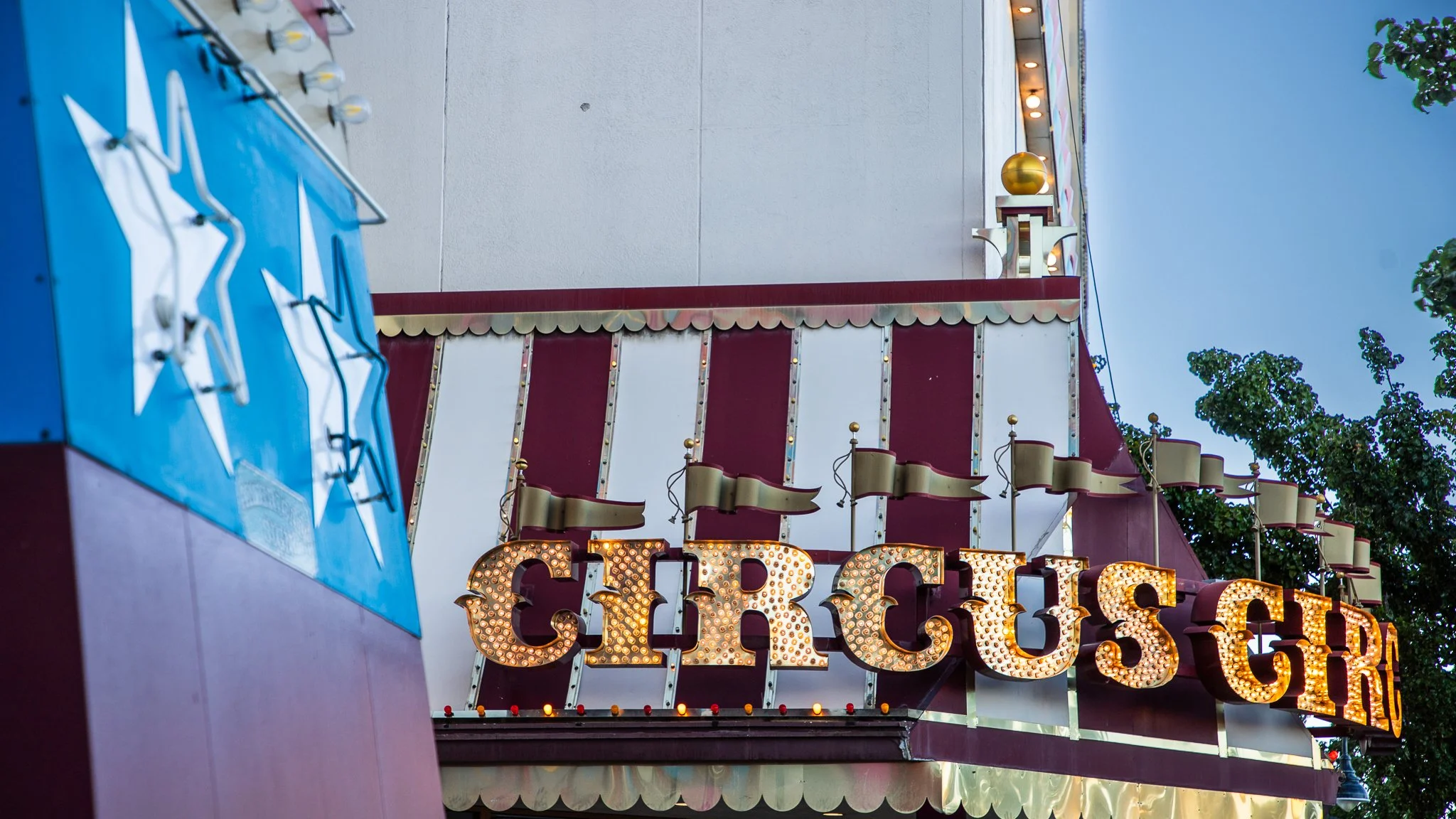
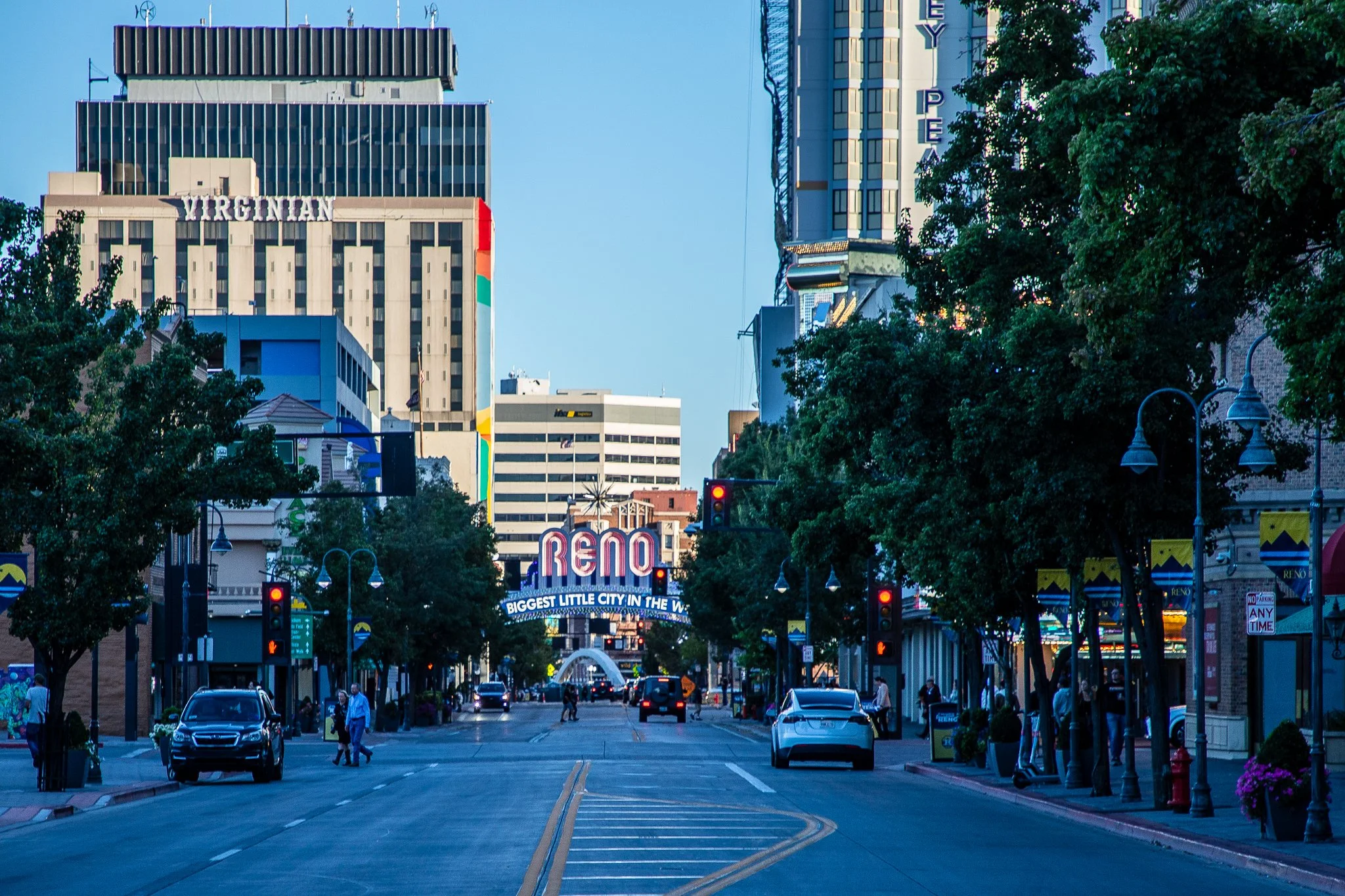
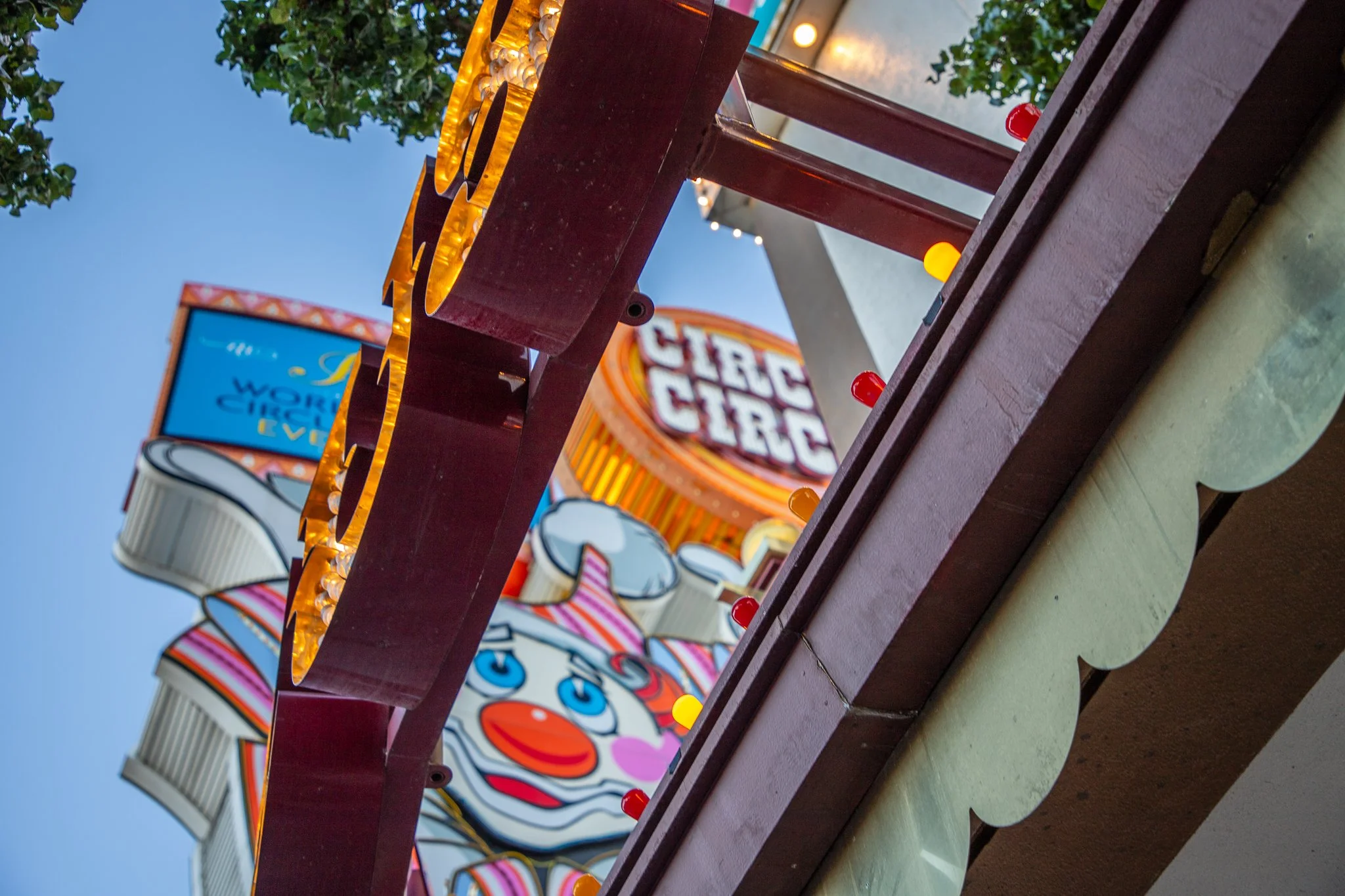
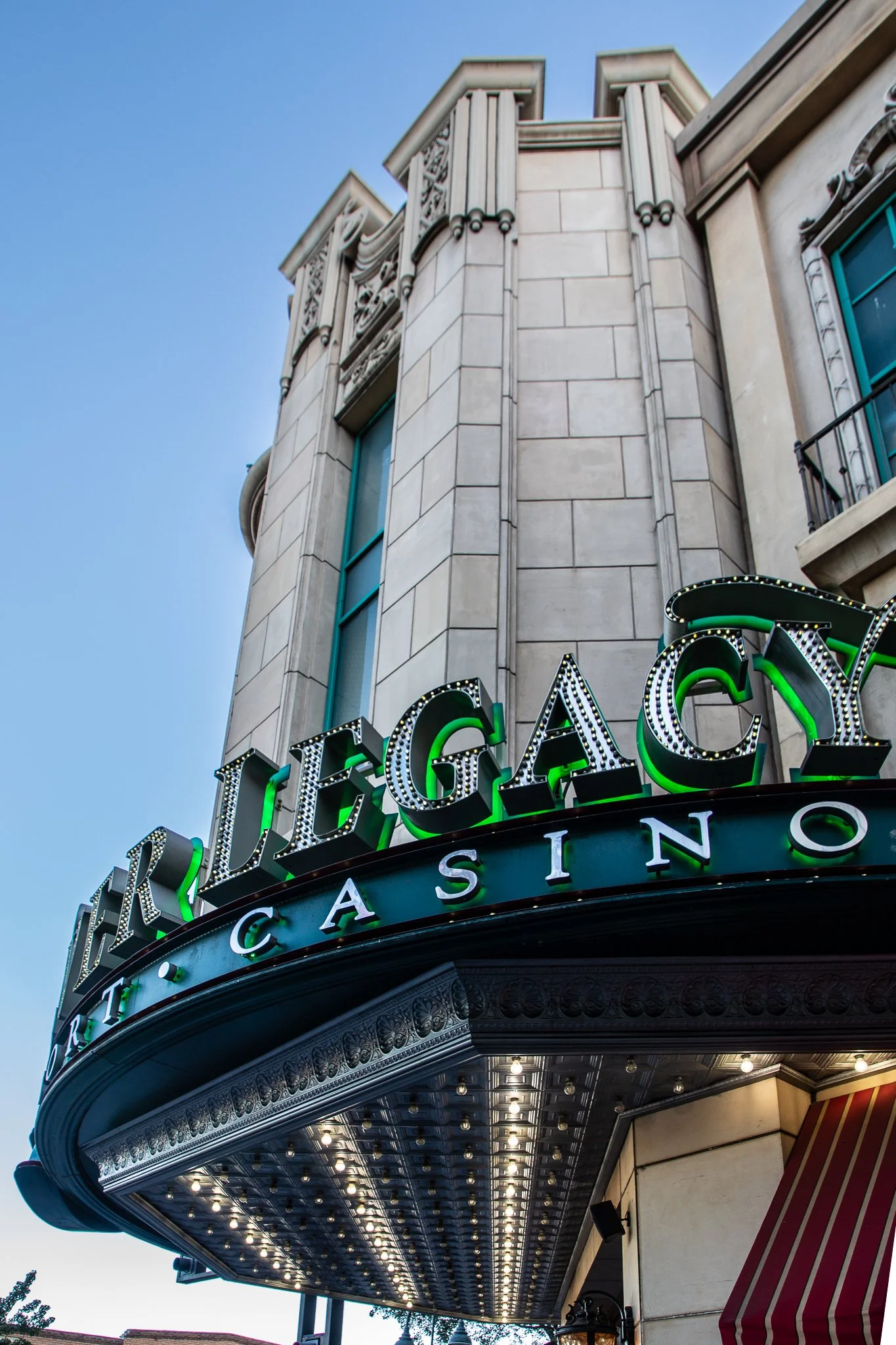
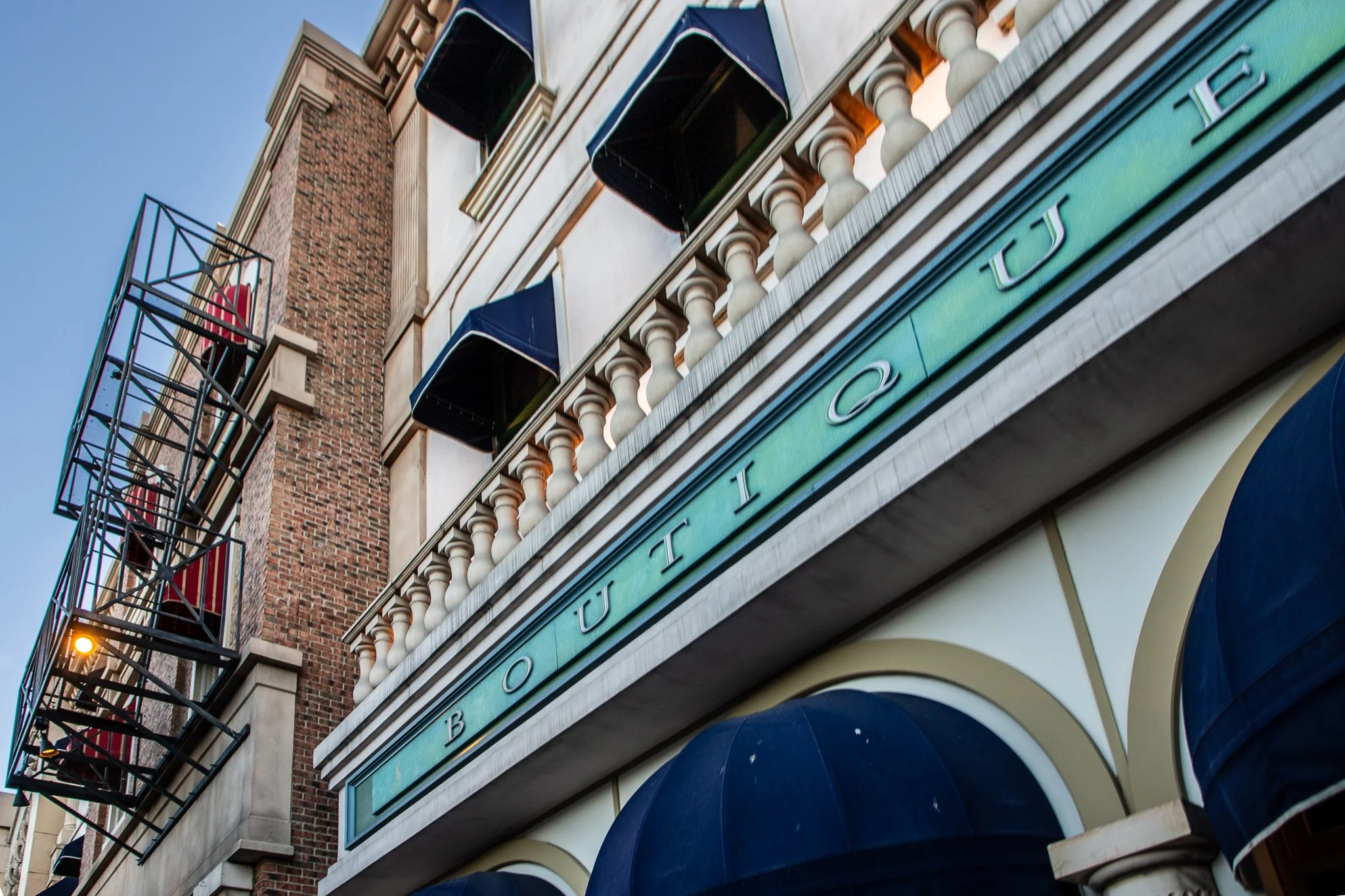
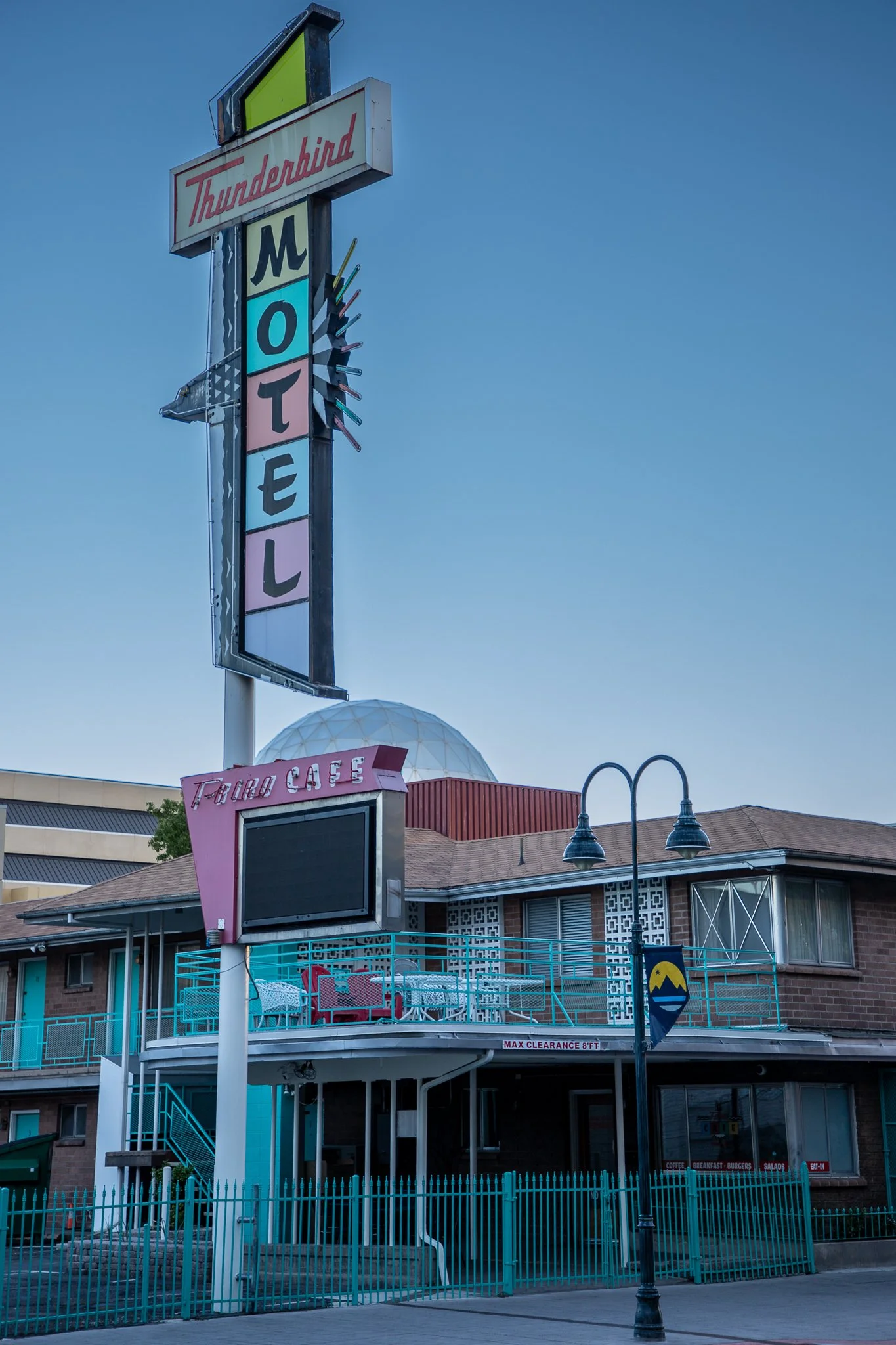
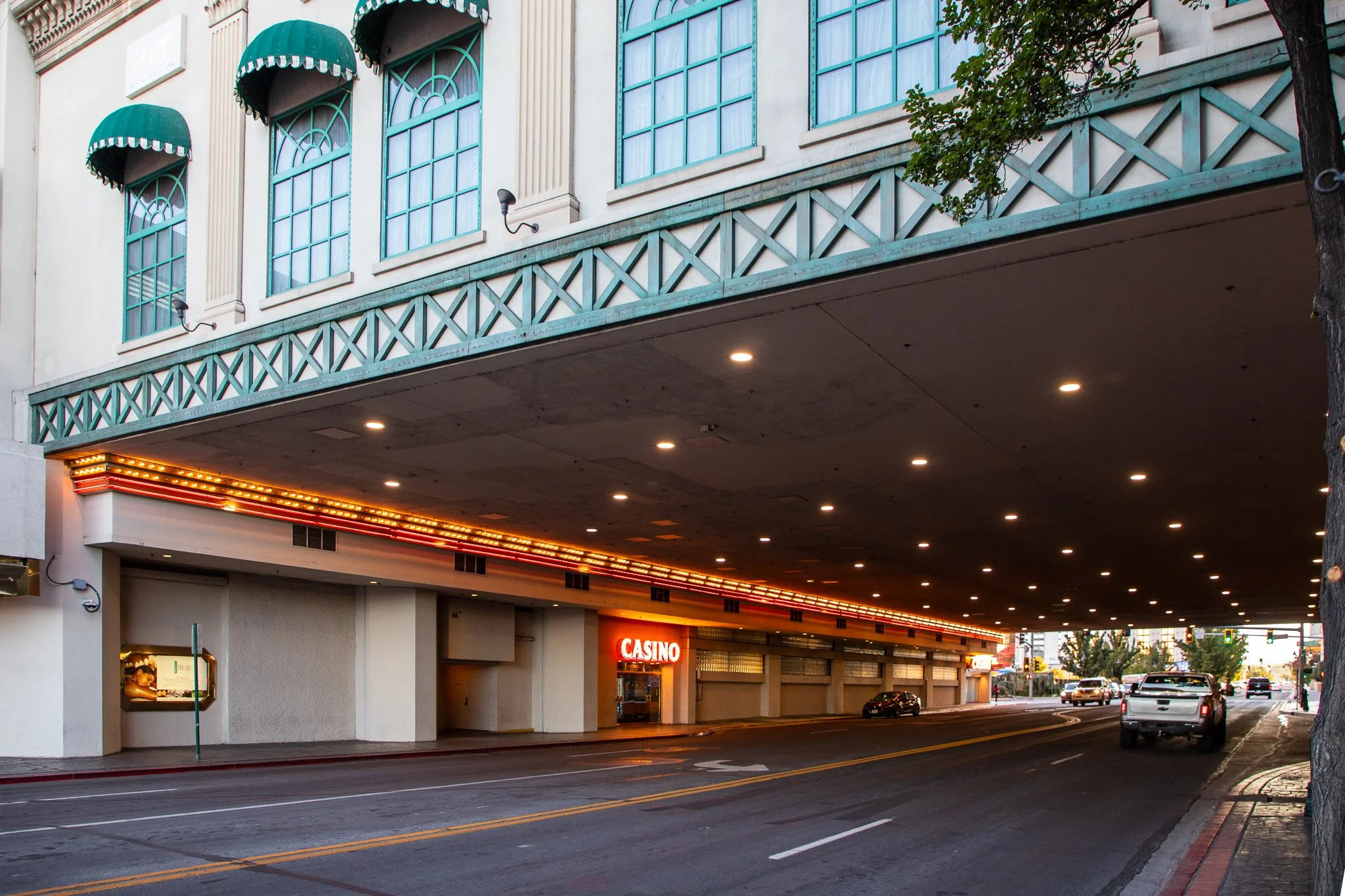
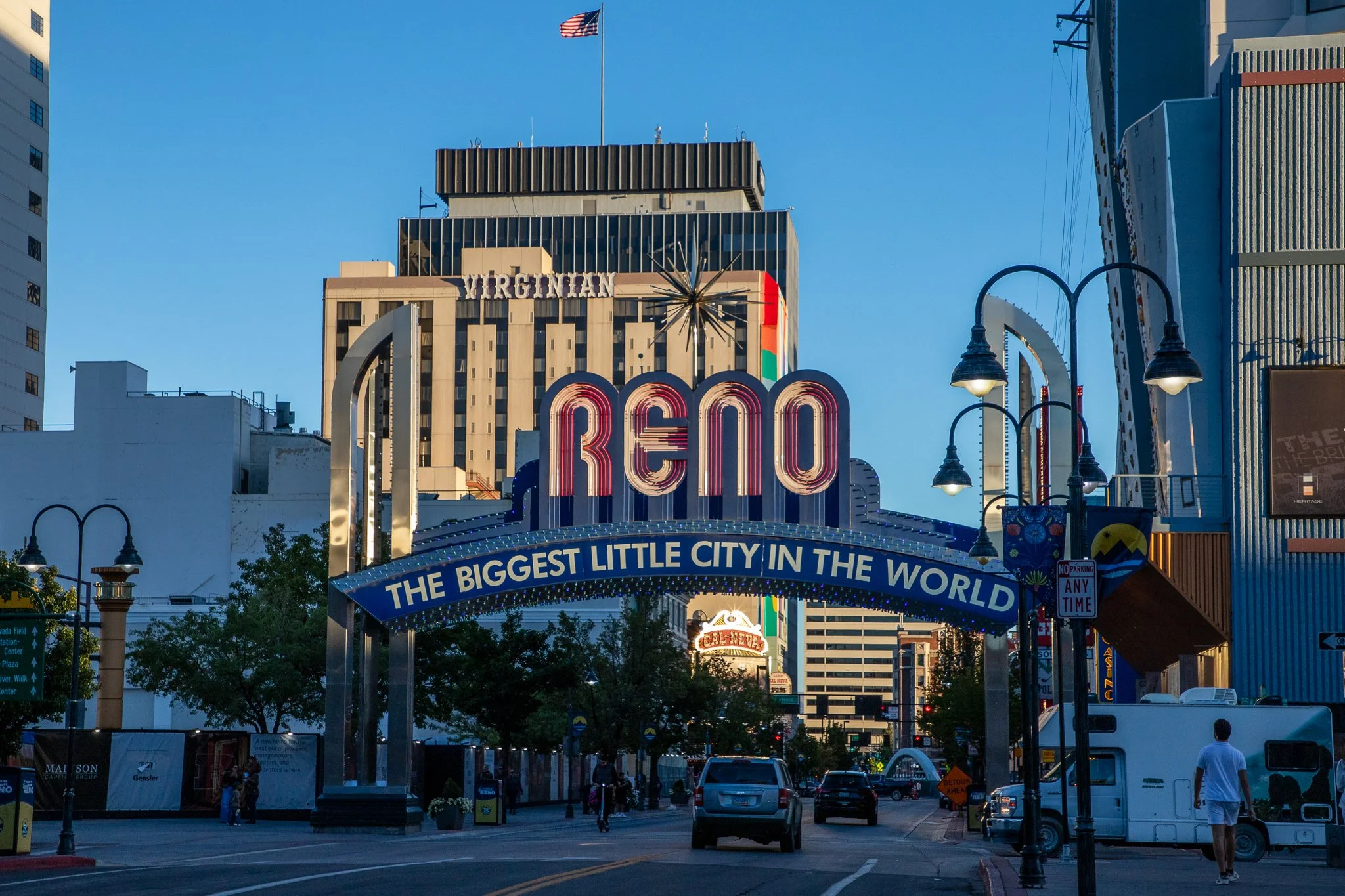
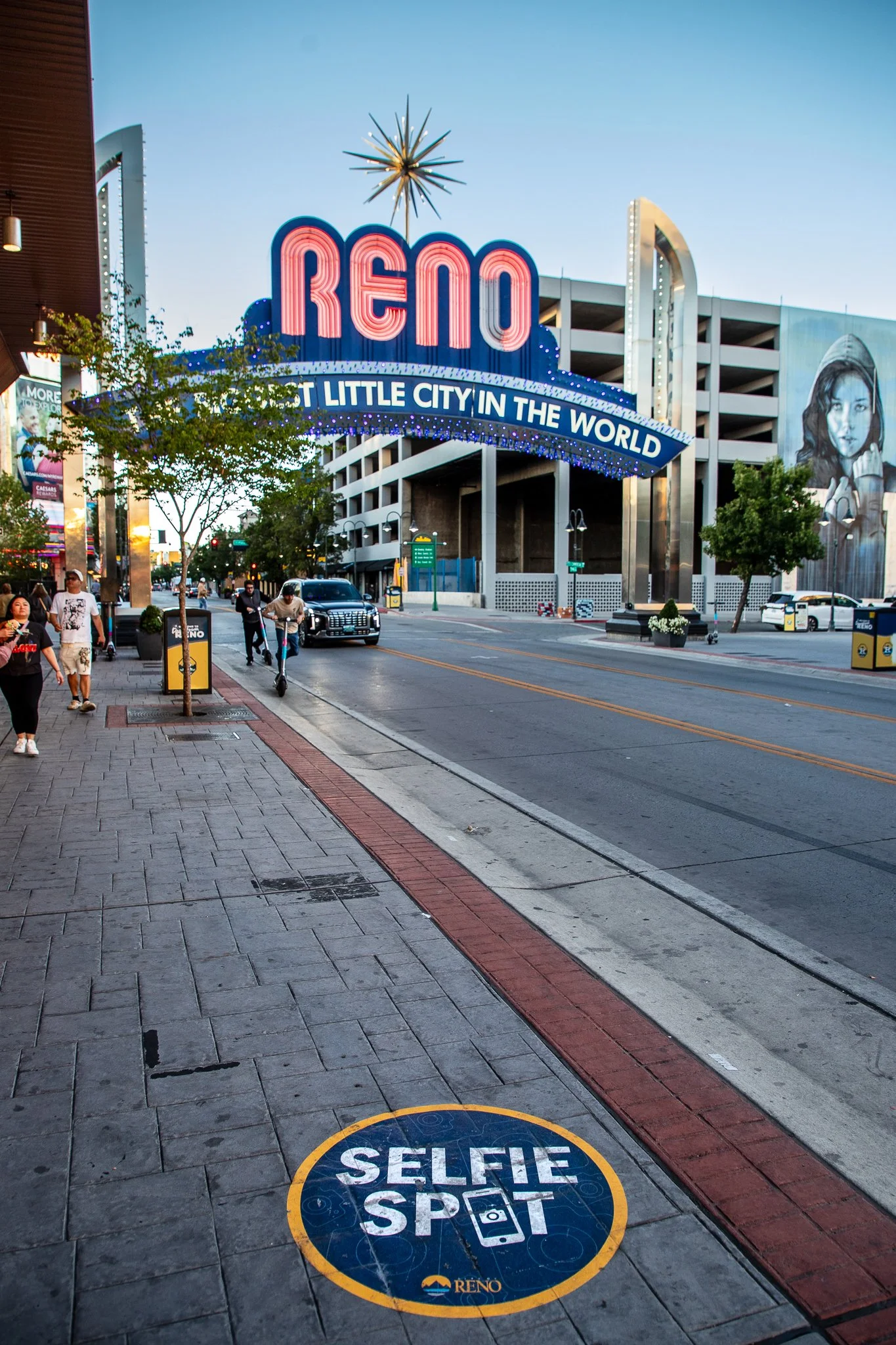
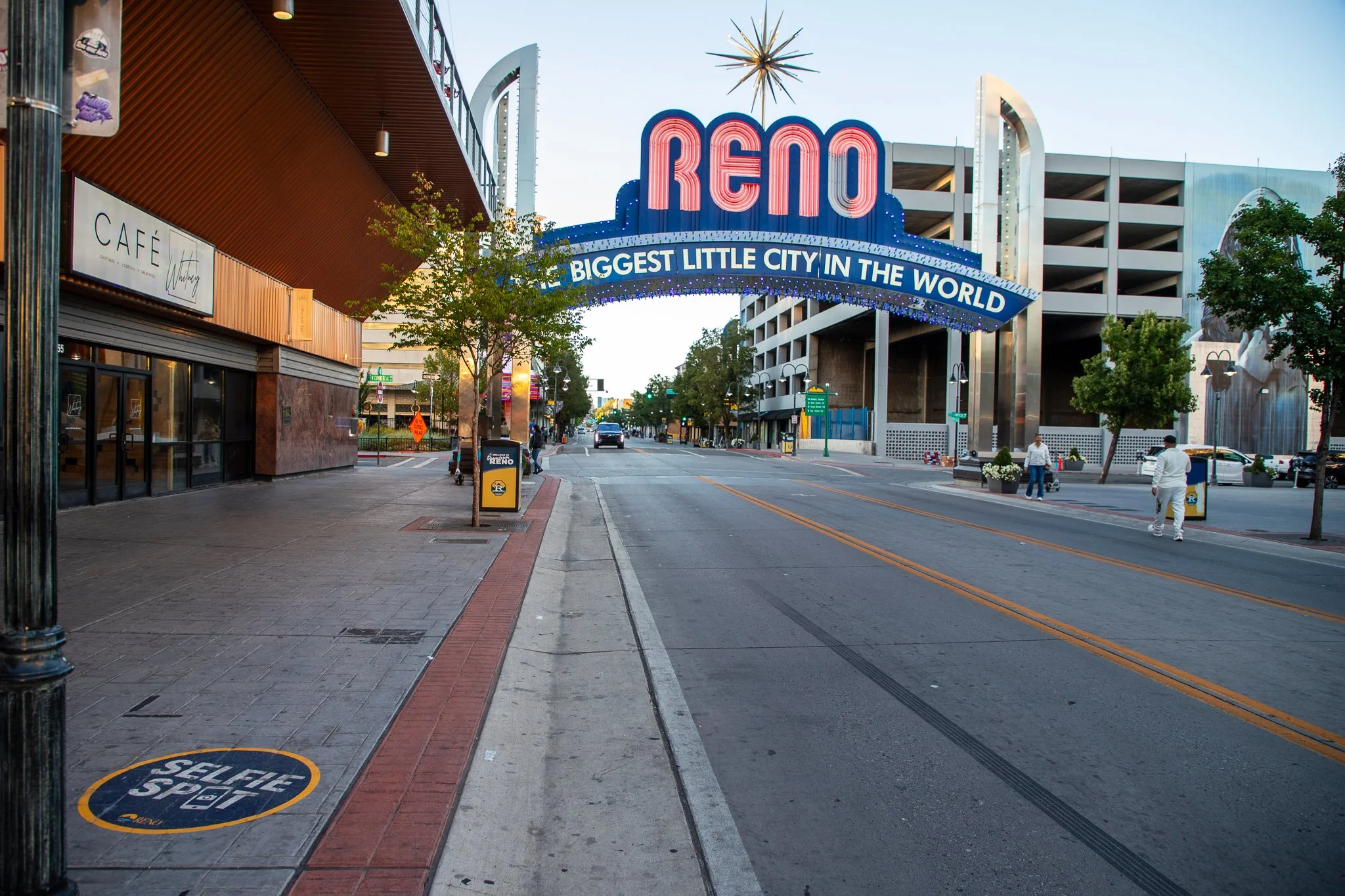
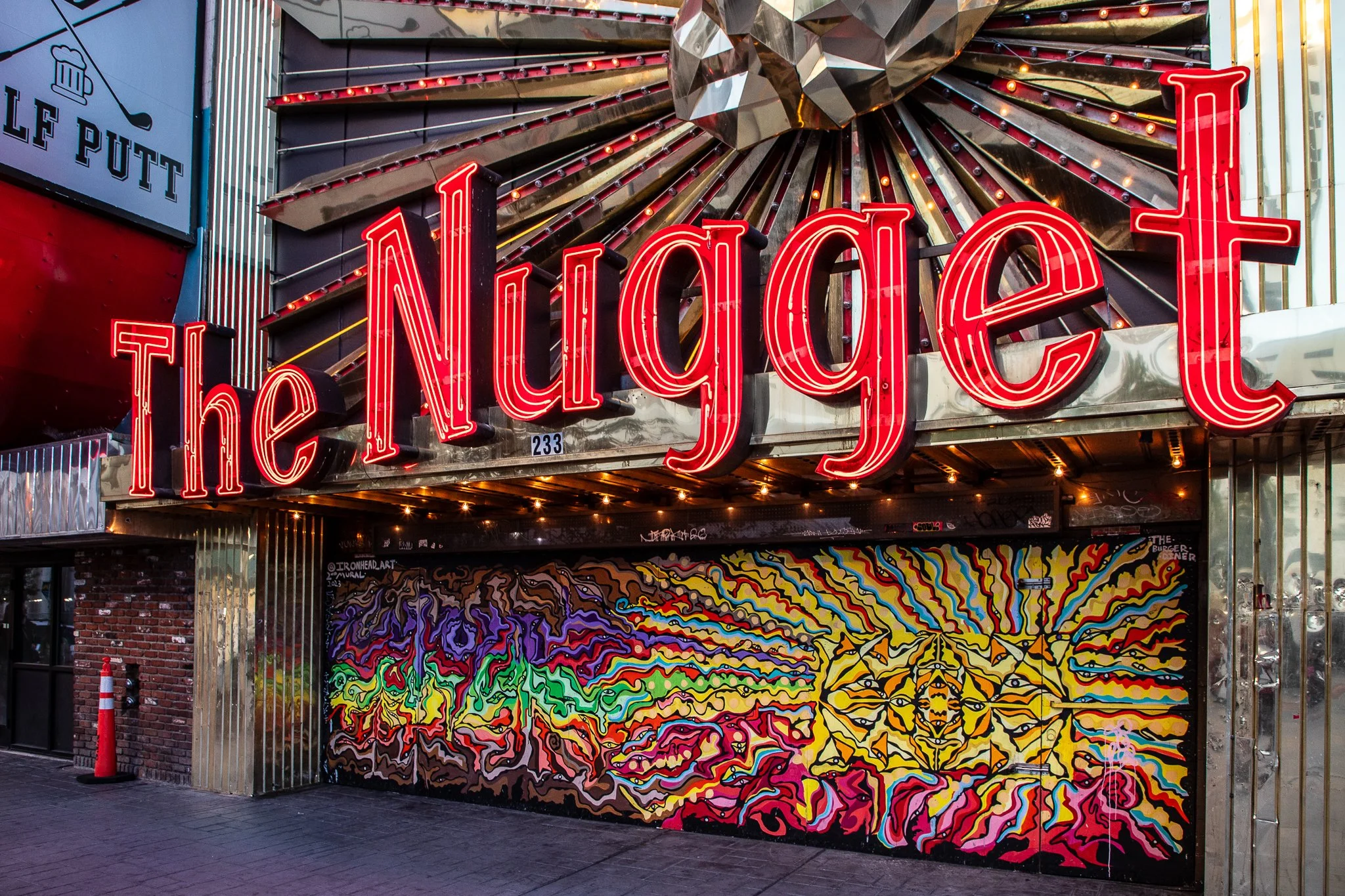
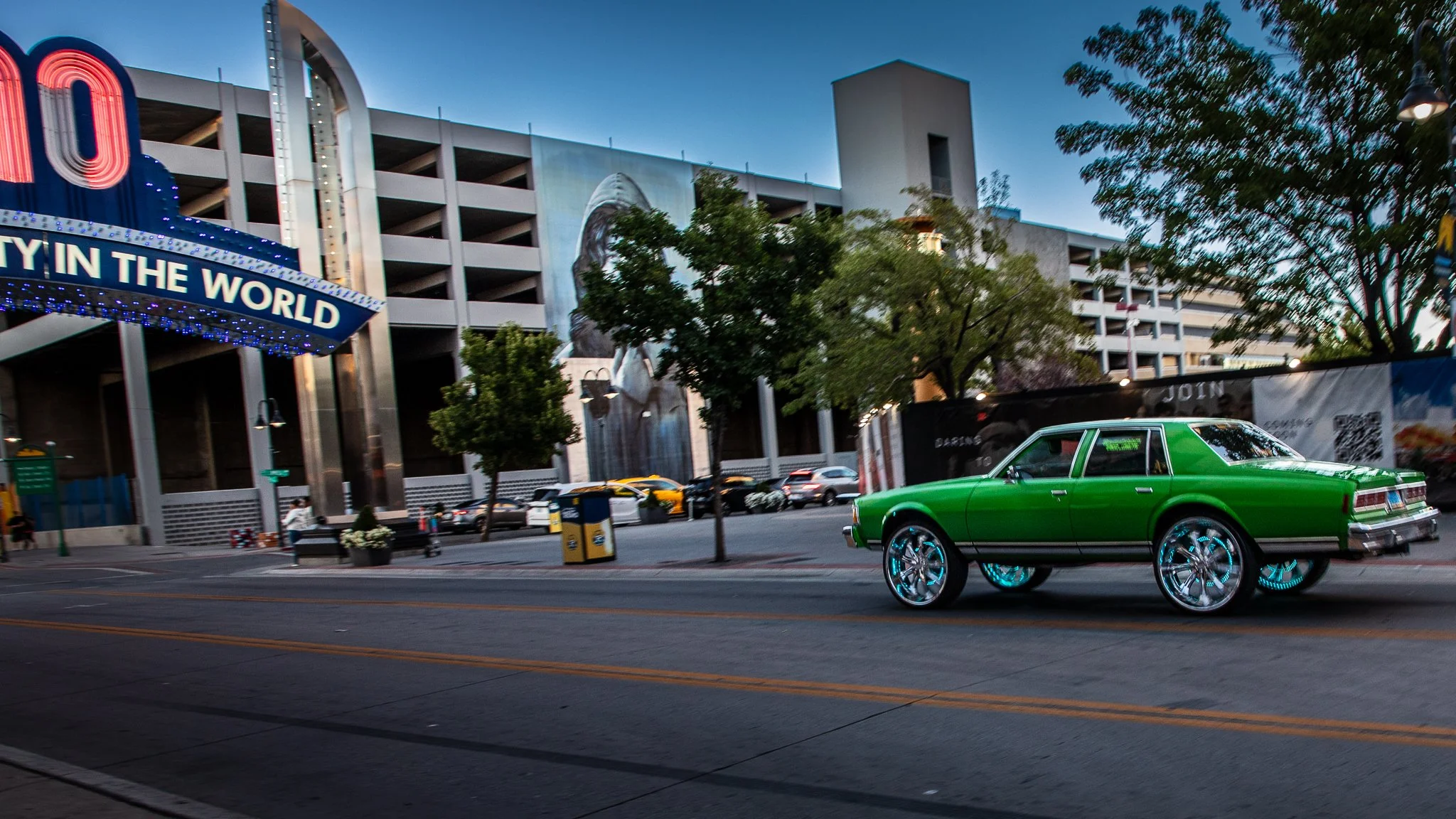
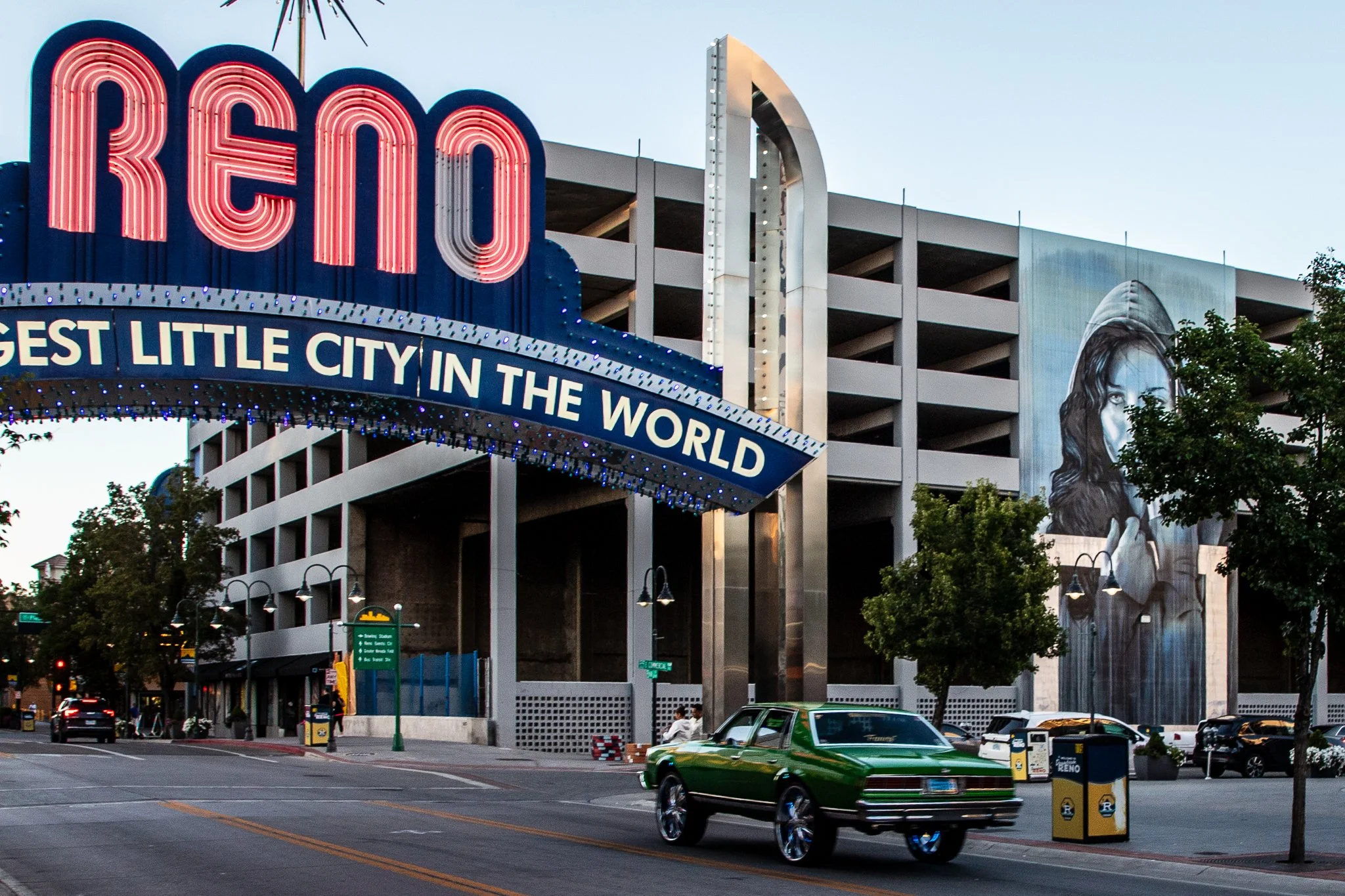
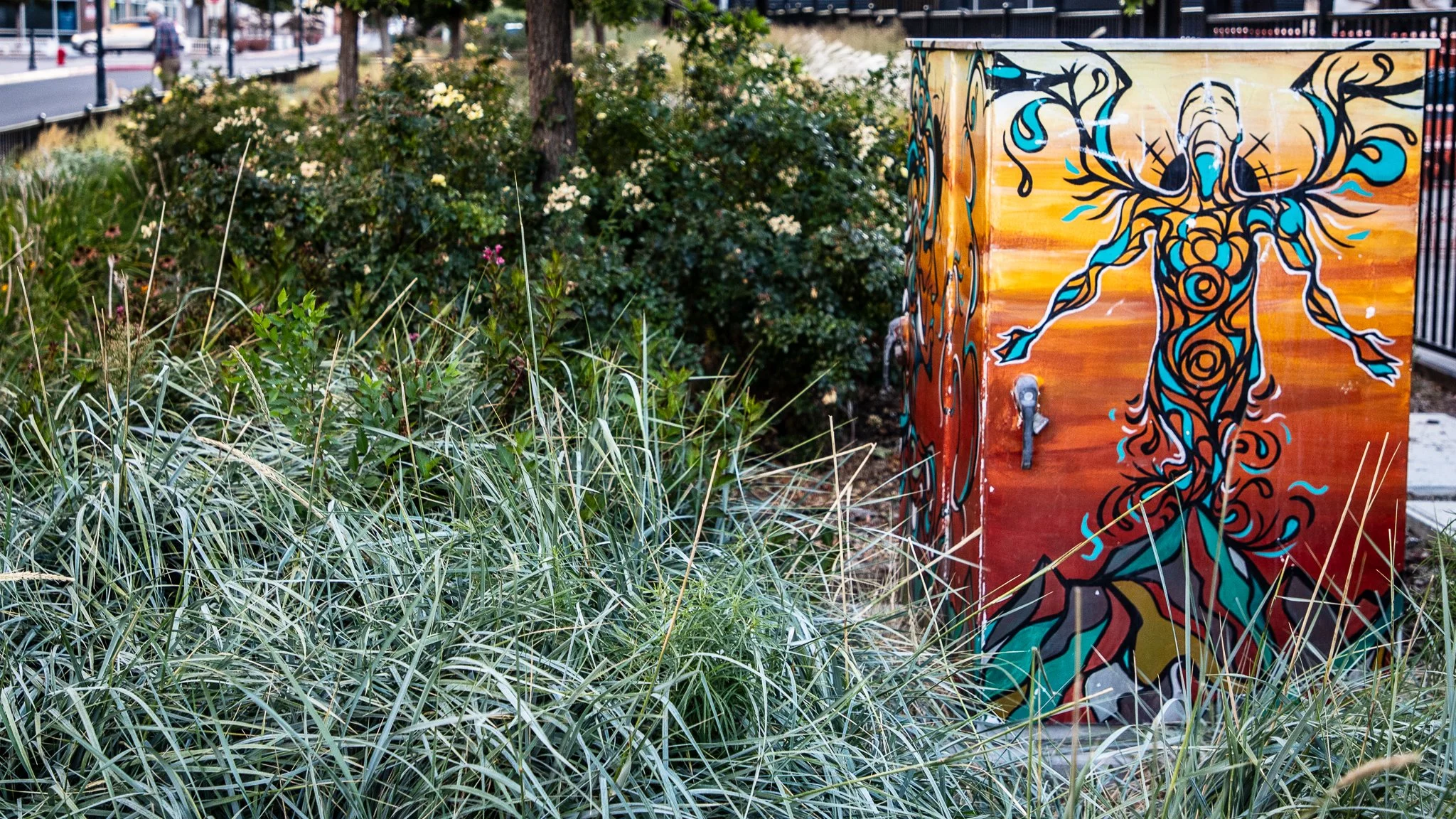
In September 2026, I had three separate layovers in Reno, NV. I took the opportunity to wander the city and document the current-day Biggest Little City.

San Diego
A photo journal through San Diego's Little Italy and downtown waterfront — tall ships, historic pizza joints, and the city's most colorful block.
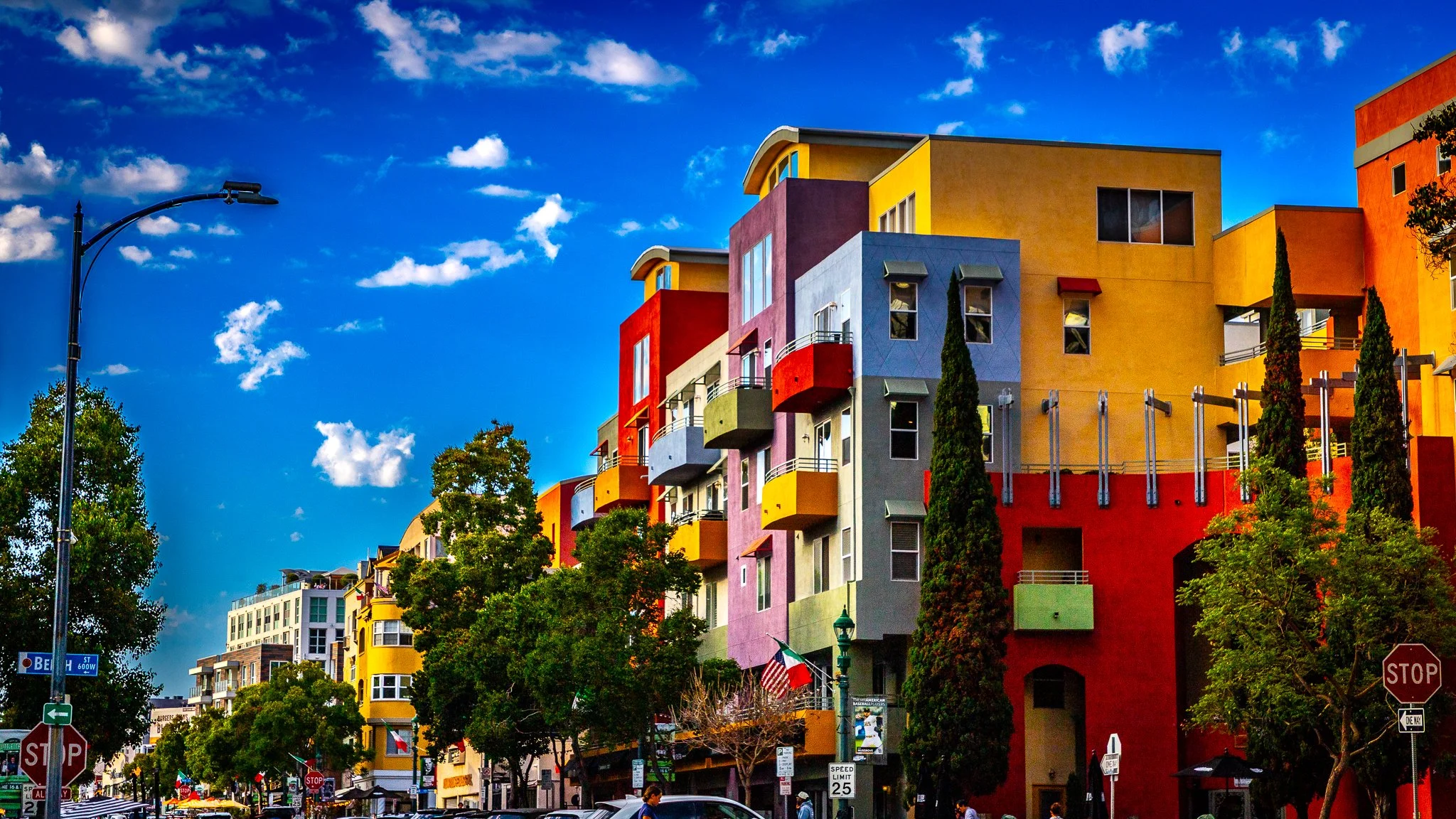
San Diego in Frame: An afternoon through Little Italy and the Waterfront
One of my absolute favorite places for a layover! San Diego doesn't need much help looking good in a photograph, but there's one stretch of the city — from the tall ships on North Harbor Drive to the colorful blocks of Little Italy — that keeps pulling me back with camera in hand. This set came out of a few hours of wandering with no real plan other than to follow the light and see what the neighborhood wanted to show me.
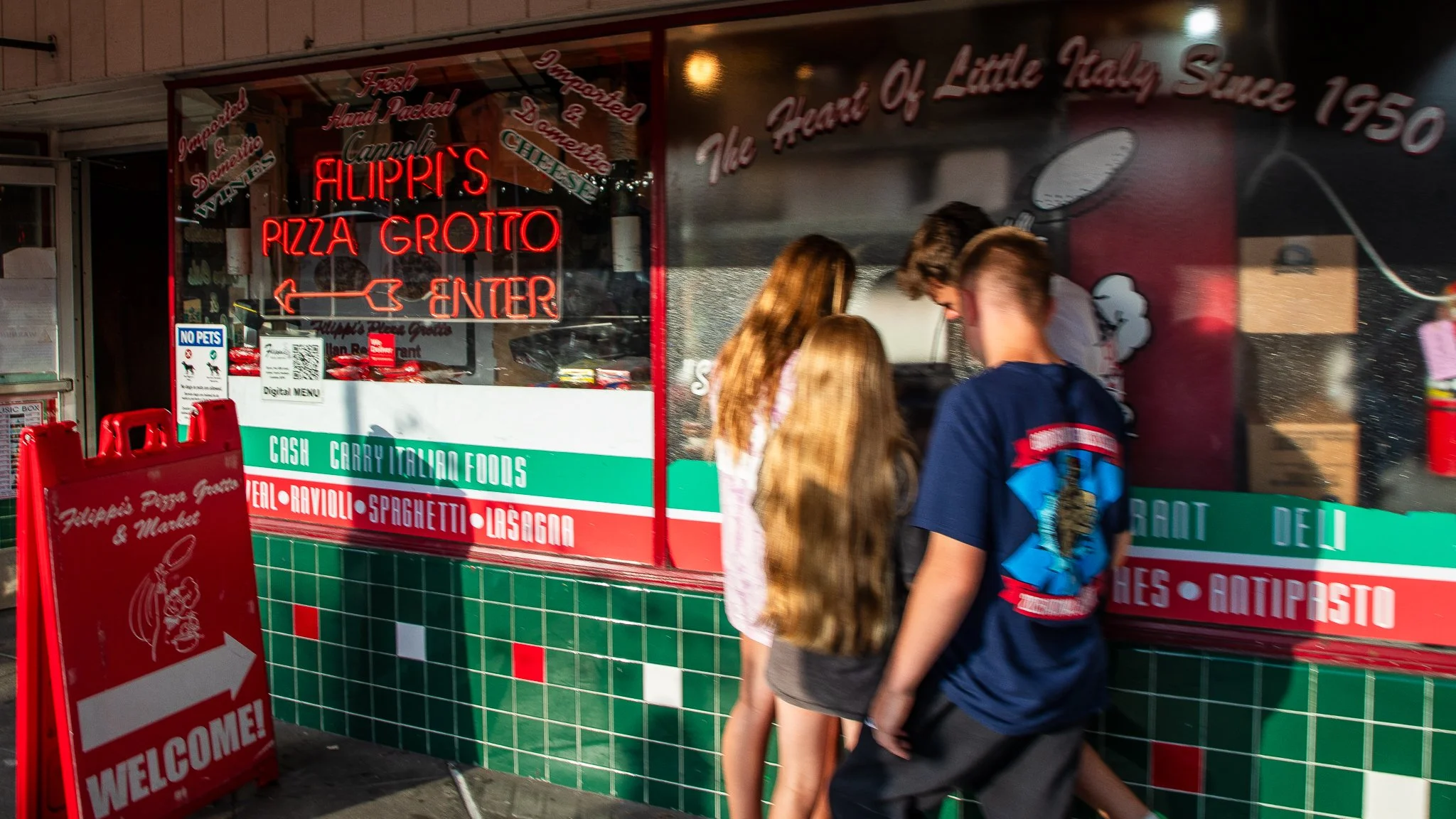
A short walk into Little Italy, where the neighborhood's personality shows up in details rather than landmarks. A firehouse engine bay. A few blocks later, a trio of kids ducked into Filippi's Pizza Grotto — "the heart of Little Italy since 1950" — proof that some things in this neighborhood haven't needed updating in seventy-five years, and shouldn't.
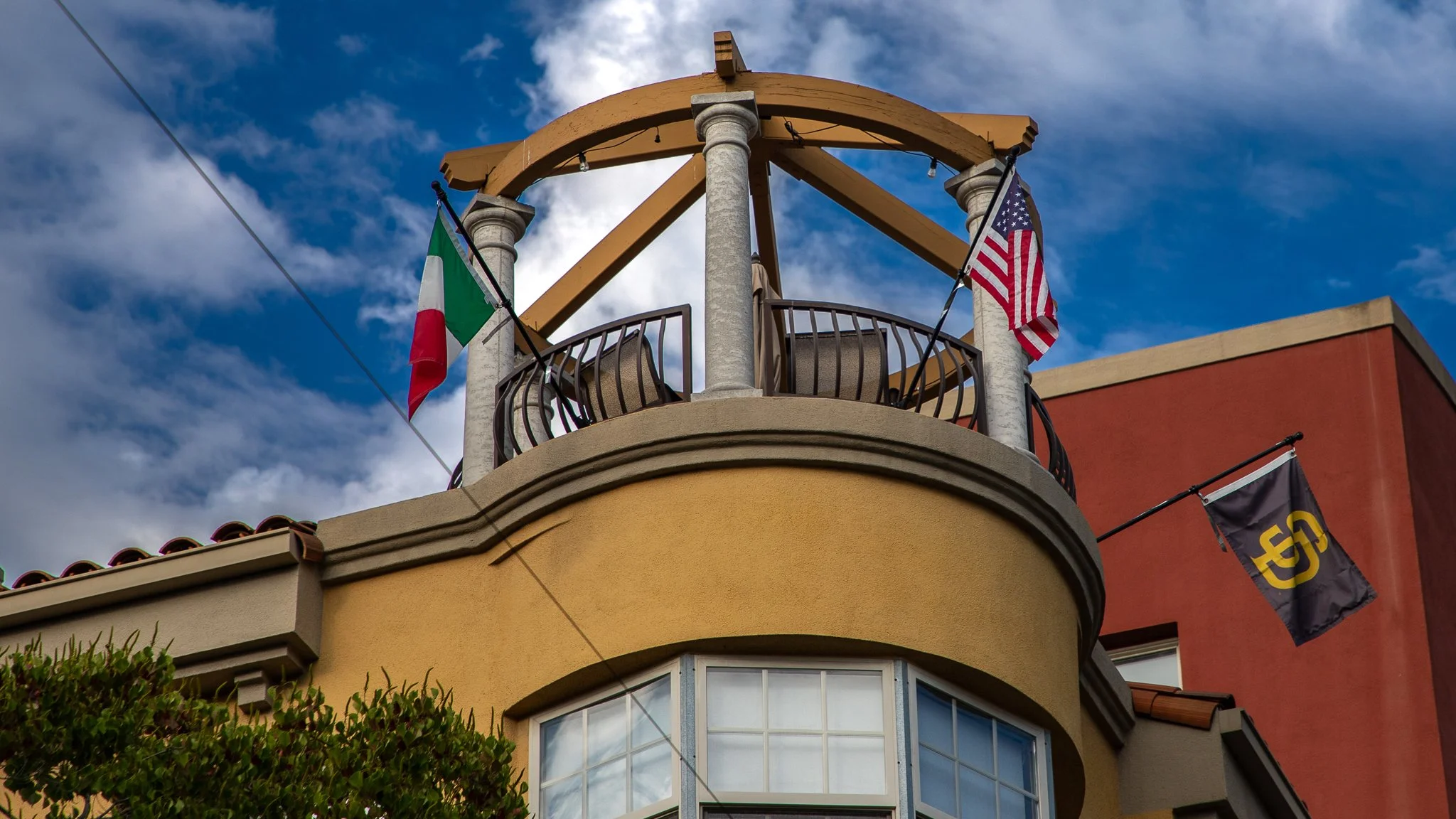
Little Italy's real signature, though, is color. The block of stacked, jewel-toned facades on India Street — mustard yellow, brick red, dusty plum, slate blue — is the kind of architecture that looks almost unreal until you're standing in front of it. I caught it under a hard blue sky with clouds doing exactly what clouds are supposed to do for a photographer. Nearby, a rooftop deck flew the Italian flag next to the American flag and a Padres banner, a small, unplanned still life that says more about this neighborhood's identity than any plaque could.
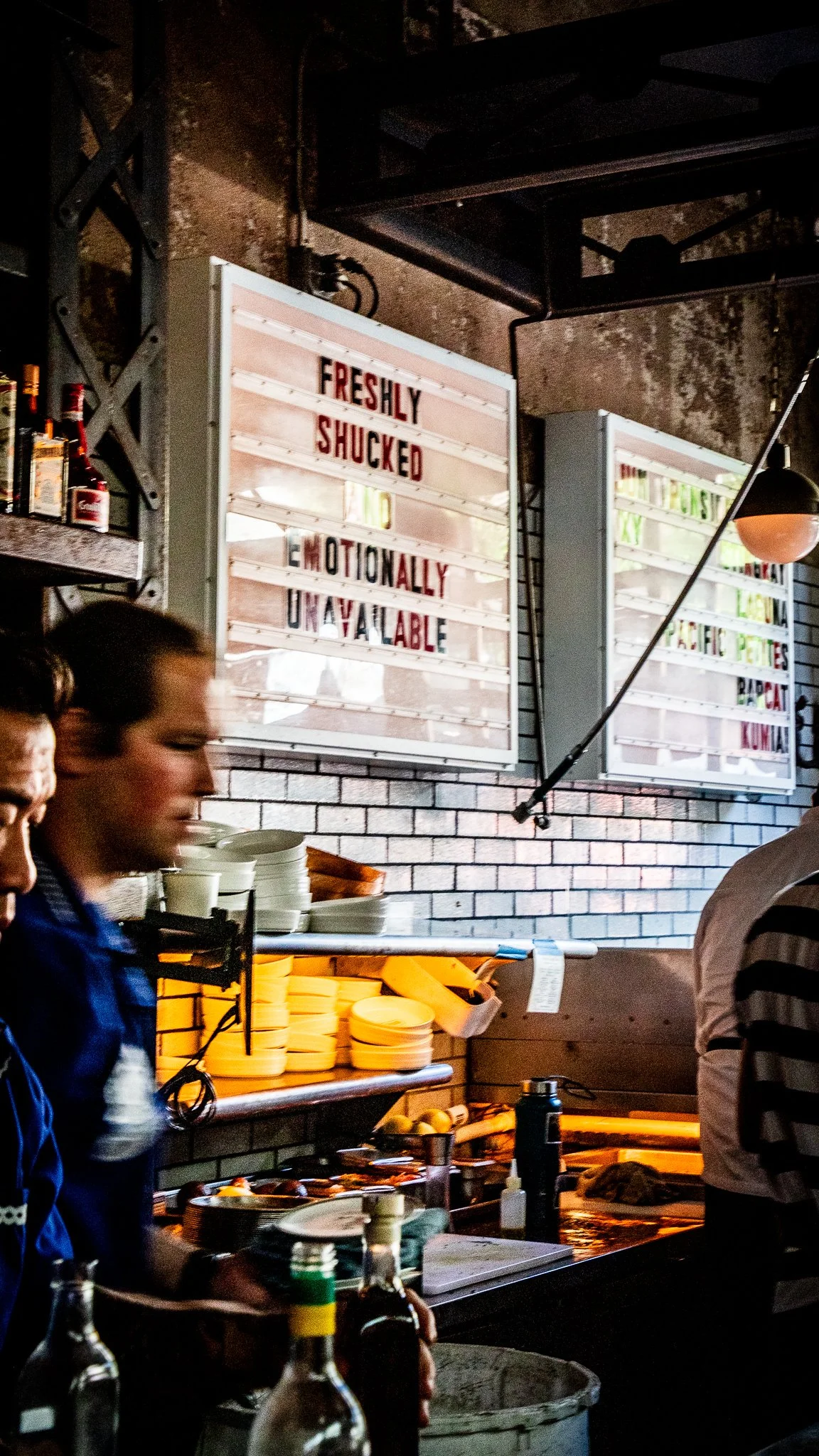
I ended the walk at a raw bar tucked into the neighborhood, where the chalkboard signage did some of my writing for me: "Freshly Shucked and Emotionally Unavailable" next to a scrawled list of oyster varieties — Laguna, Kumiai, Pacific Petites. It's the kind of unpretentious, funny detail that reminds you Little Italy is still a place people actually live and eat in, not just a backdrop.
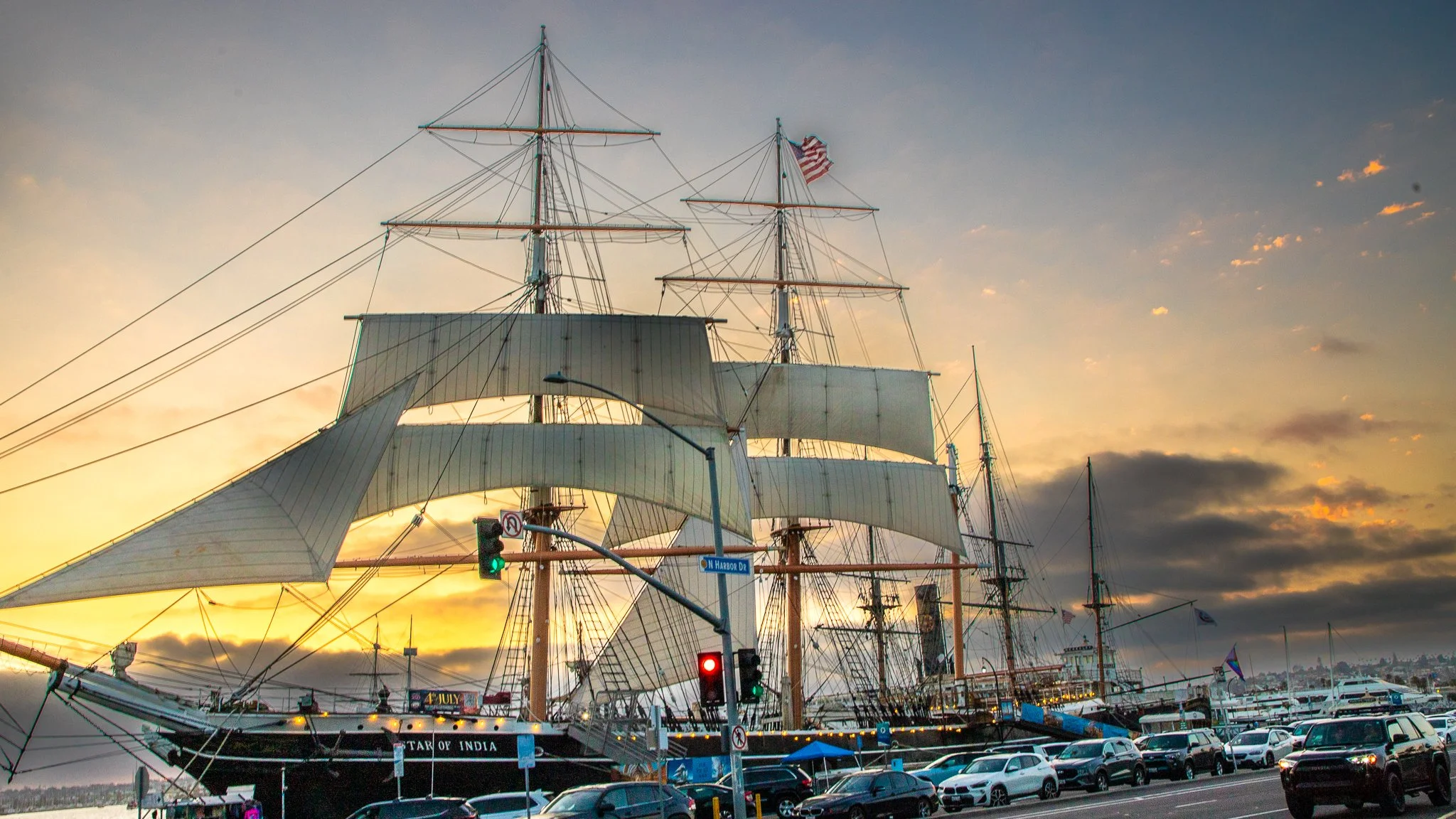
Early in the evening, the Star of India was rigged out in full sail against a sky doing its best impression of a painting. She's one of the oldest active sailing ships in the world, and there's something almost unfair about how photogenic she is — masts and rigging cutting black lines across a sherbet-colored sunrise, with a stubborn city traffic light refusing to get out of the frame. I left it in. San Diego is a working city before it's a postcard, and I like when a photo admits that.
Taken together, this set is less a "best of San Diego" than a record of one good light, one good walk, and a neighborhood that keeps giving a photographer more than he came for.
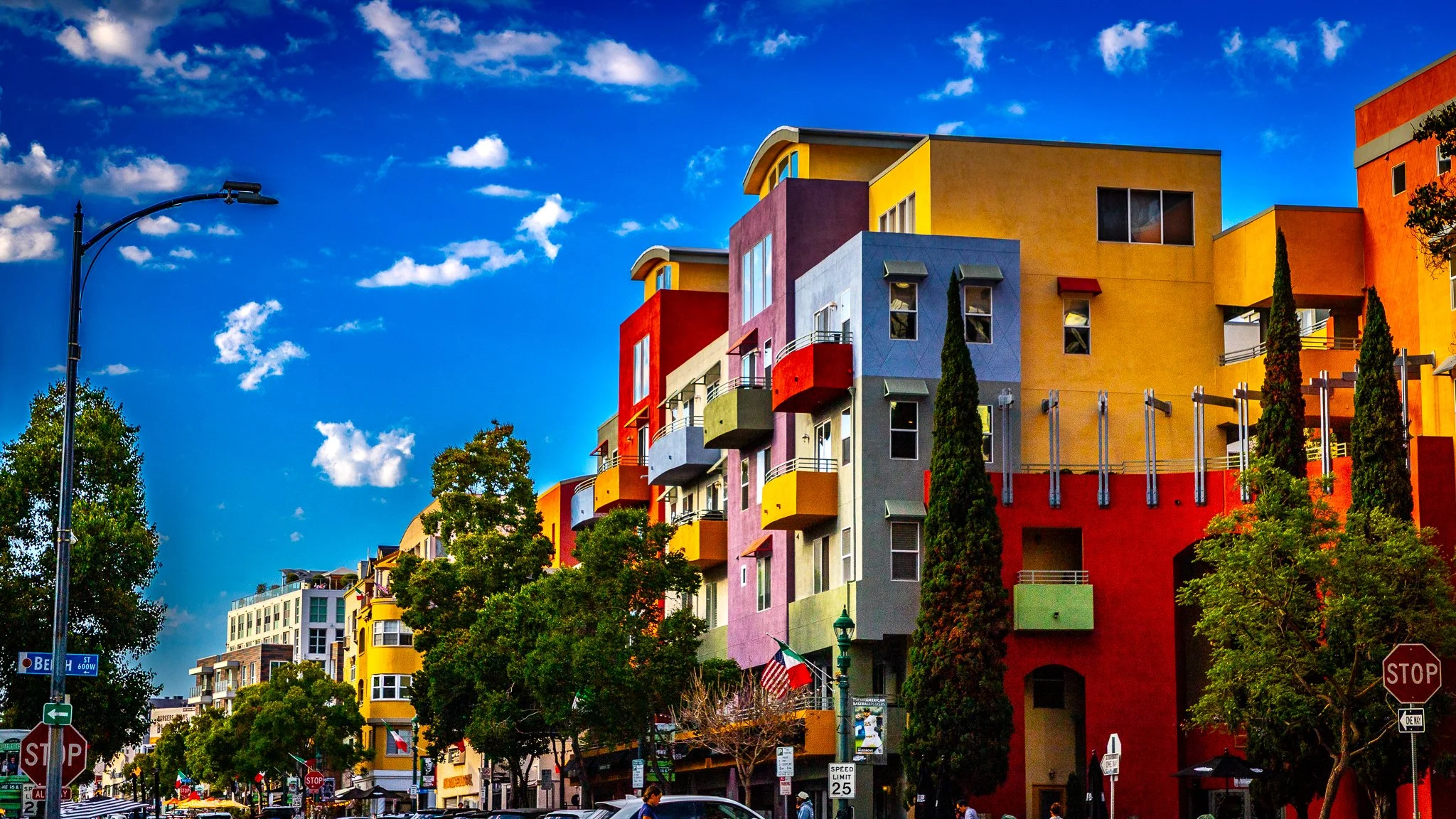
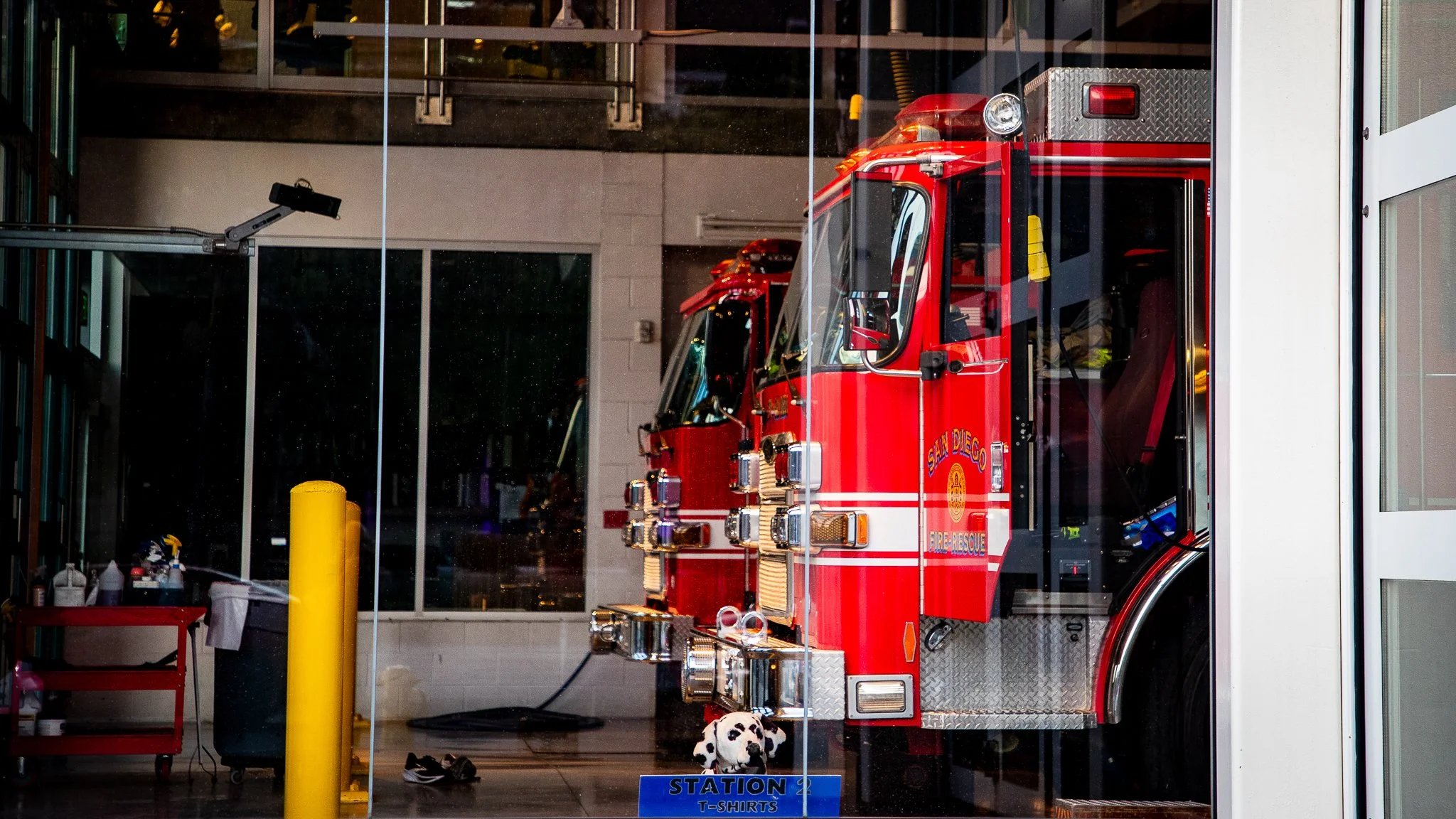
Prints from this San Diego collection are available — reach out if you'd like a piece of this series for your wall.

Hood River Bridge
The Button Bridge, also known as the Hood River / White Salmon Bridge connects Oregon and Washington


Stopped on the way to work to grab this photo of the Hood River Bridge. As I live in White Salmon and drive to Hood River for work I cross this bridge every day. The Button Bridge was built in the early 1940 to connect Oregon and Washington.
These photos were taken with an iPhone 14 and edited with the native photo editing software.
Bee
Had to share this shot from the Portland Rose Garden. I am amazed by the detail captured by my iPhone 14. I’m increasingly impressed by the advances in camera phone technology.

Bee on a rose


Lost Lake, Oregon

Lost Lake with Mt Hood in Hood River County Oregon
One of the family’s favorite places to camp is Lost Lake, Oregon at the base of Mt. Hood. I’ve been going there with my parents since I was a small child. This is a dusk photo, about a half-hour before sunset.
Oregon Ren Fair, in Canby, Oregon
I had a chance to shoot the Oregon Renaissance Fair, in Canby, Oregon on Jun 7th, 2025. The vibrant music, captivating performances, thrilling jousts, and a bustling marketplace filled with master artisans was a feast for the eyes.
I also created a YouTube video for @CaptureAndCarryOn, please check it out.


Hawkins Cellars
I had the privilege of photographing for Hawkins Cellars on Underwood Mountain on numerous occasions. They needed new images for their social media and advertising purposes.
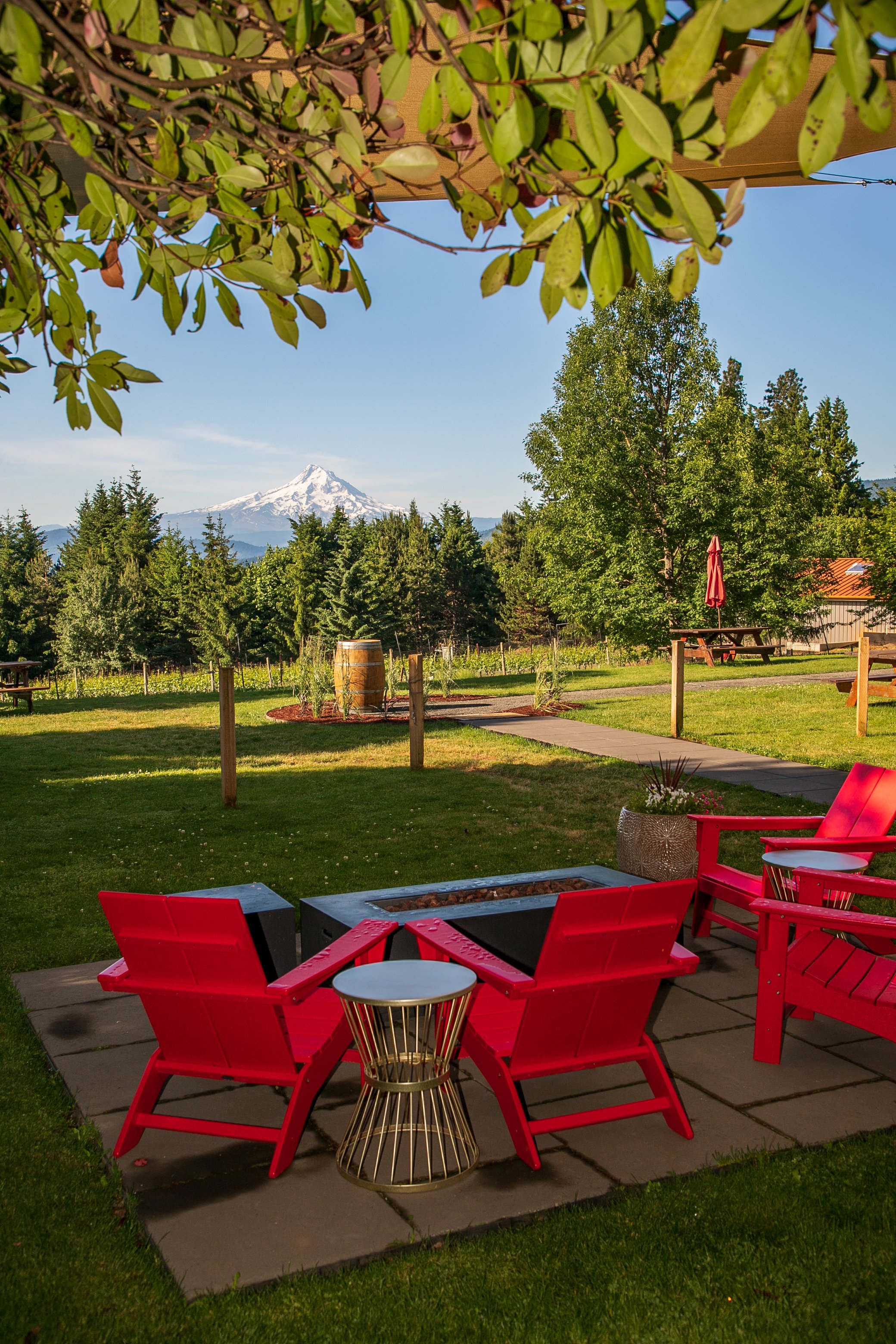
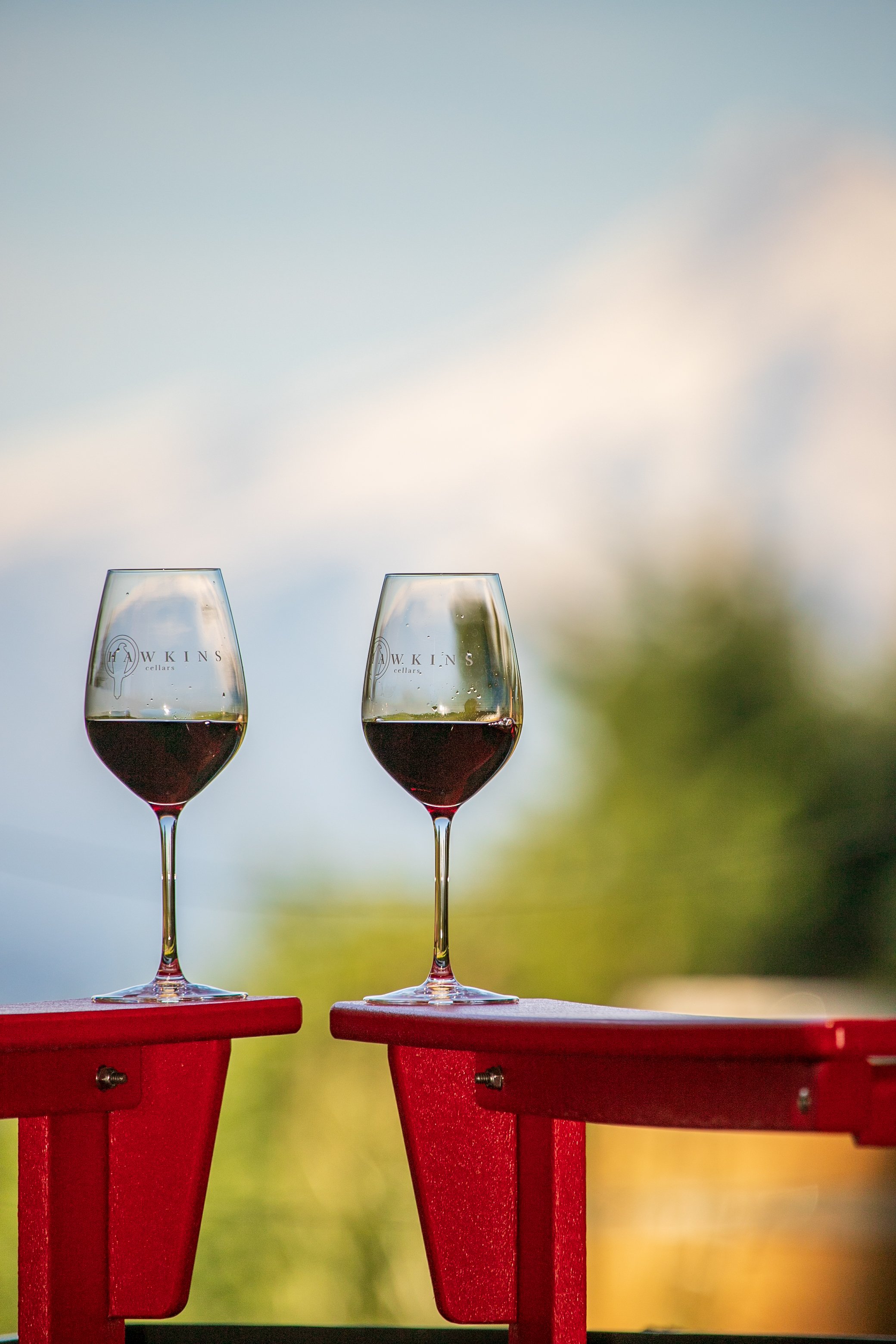
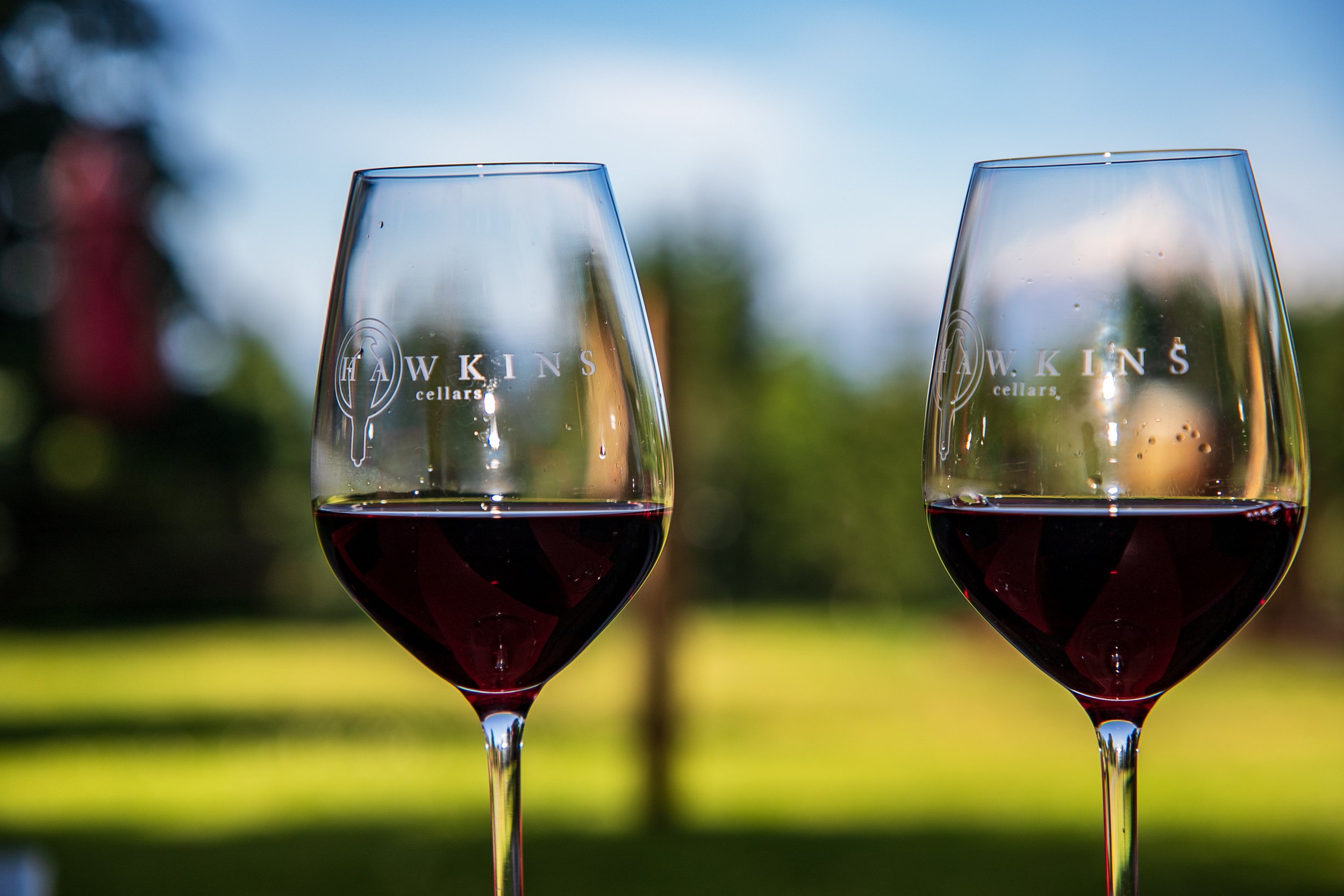
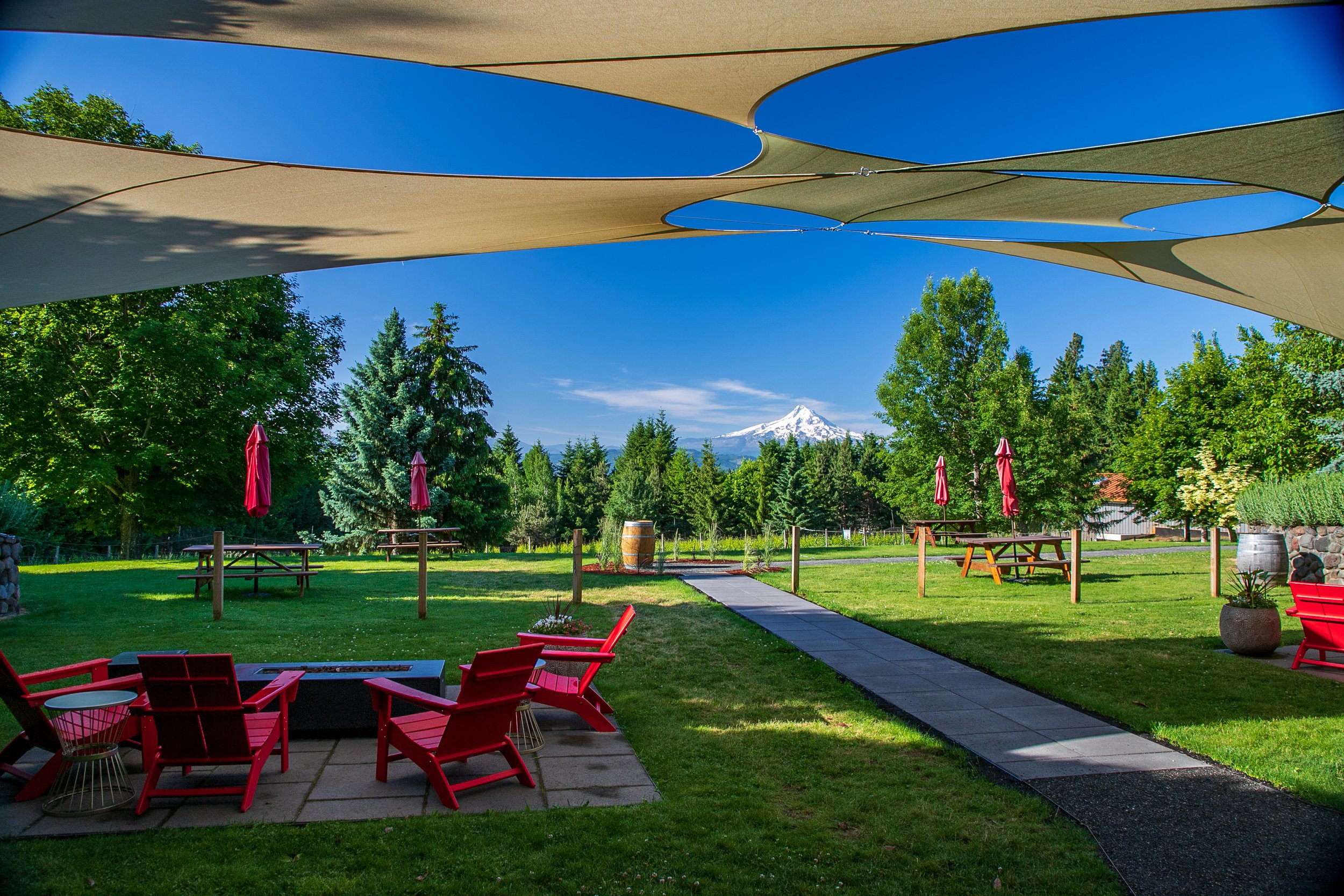

We had a beautiful day at Laurance Lake, Hood River, Oregon
We had a family day at Laurance Lake (Kinnikinnick) , located in the Mt. Hood National Forest, just outside of Hood River, Oregon this past weekend. Wanted to share this drone video.

Wine Photography
One of my photos was featured in Hawkins Cellars' newest full-page ad in Gorge Magazine. They're a great place to spend an afternoon, with an incredible staff and good wine
Real Estate Photography
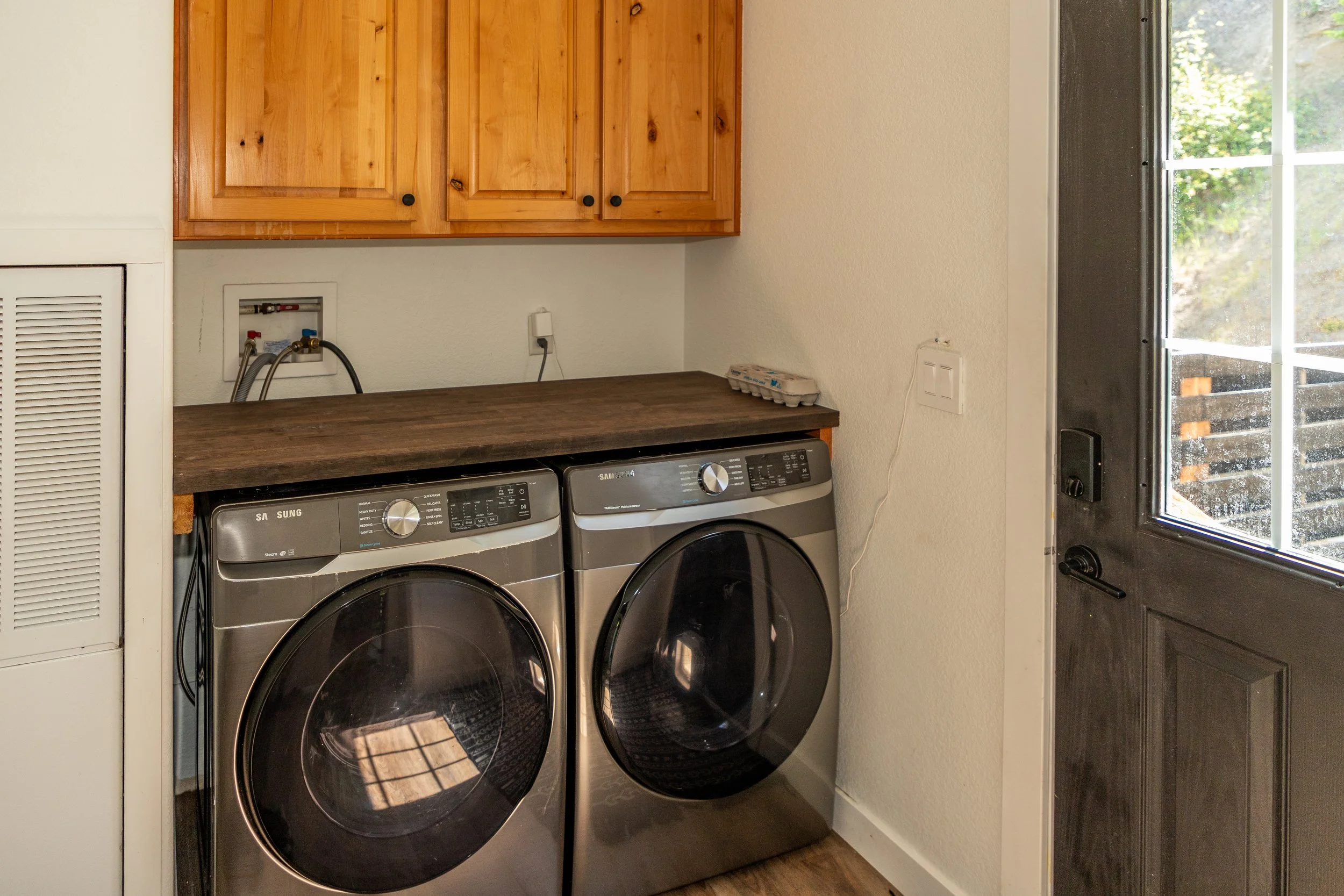
A few days ago I was hired to photograph a home in White Salmon, WA that is about to go on the market. I provided aerial/Drone, interior, and exterior photography and video. If you’re on the market, the house will come with the goats.




World's Largest Mural - 1993
I had the privilege of photographing the World’s Largest Mural in ‘93. The “Elvis” mural was a Guinness Book of World Records category-winning event. It was 77,000 sq ft, on canvas, painted by 4 MFA students from The Savannah College of Art and Design.
My documentary project was transformed into a 50+ piece art show, which SCAD utilized as a recruitment tool; it toured the country for a couple of years.

Tulips
A studio experiment from a few years ago, thinking about doing more flower photography. These tulip bulbs were grown in a shallow, rock filled planter.

A studio experiment from a few years ago, thinking about doing more flower photography. These tulip bulbs were grown in a shallow, rock filled planter. This is a medium format image on a Pentax 645 film camera.
Citrus Twist Vodka
Another early picture. This was my first time playing around with acrylic ice for drink photography. This was shortly after Smirnoff released their twist line of flavored vodkas.

Another early picture. This was my first time playing around with acrylic ice for drink photography. This was shortly after Smirnoff released their twist line of flavored vodkas.
This is a medium format, Pentax 645 image on film.

Columbia Gorge Wine Festival - 2025
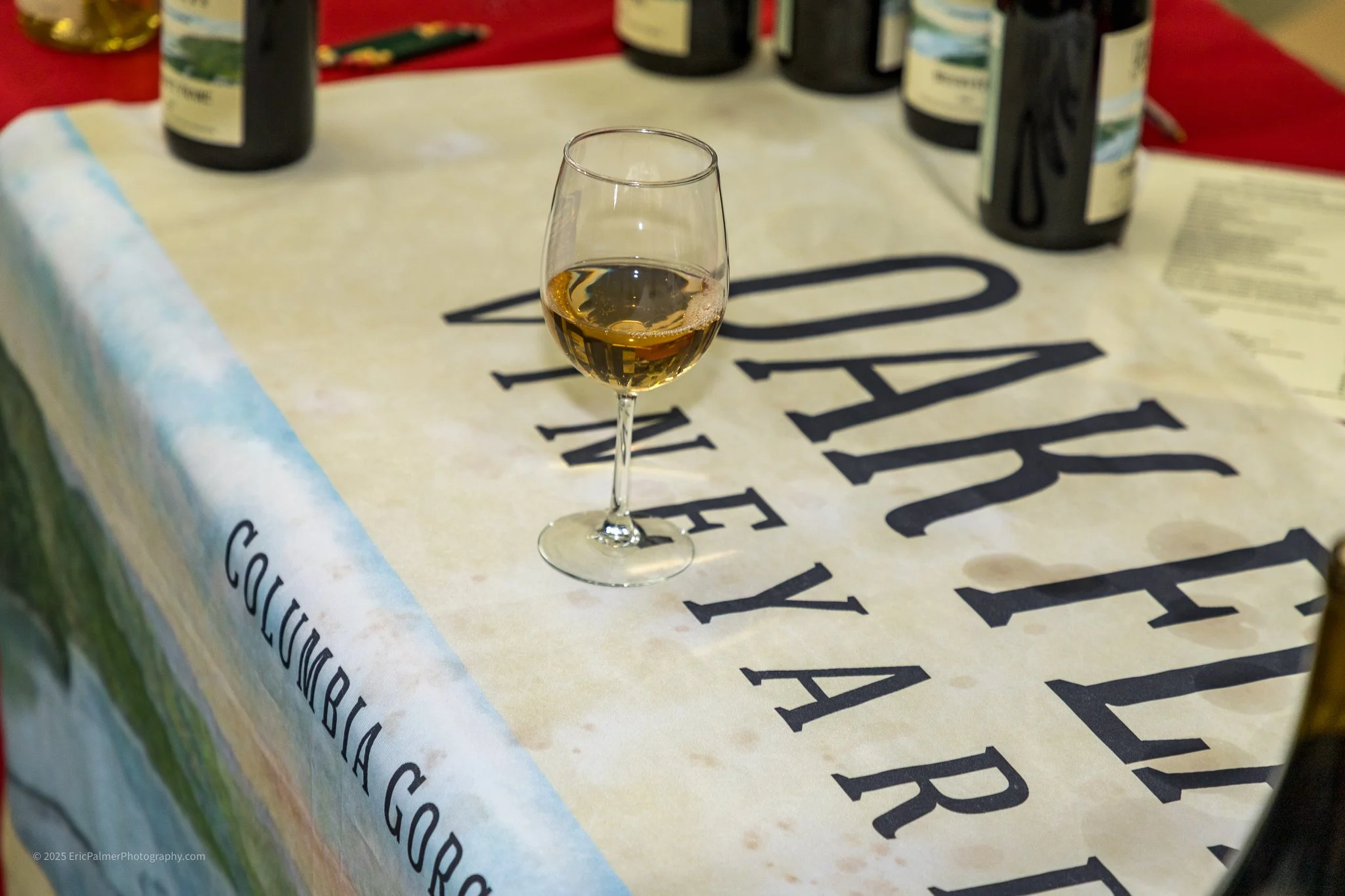
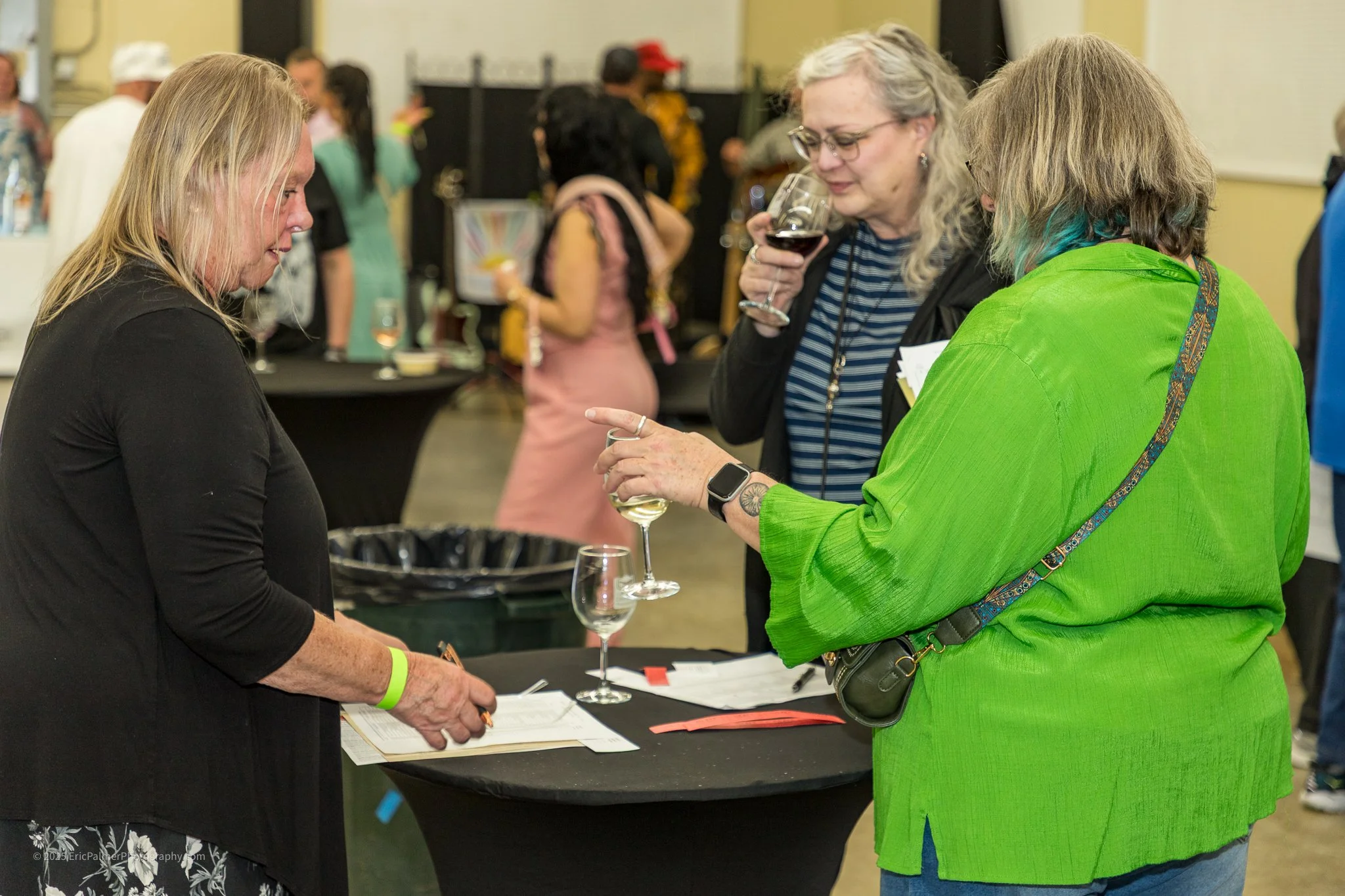
On Saturday (May 10th), I had the opportunity to photograph the Columbia Gorge Wine Festival at the Hood River County Fairgrounds. This event was a fundraiser for the Hood River Educational Foundation.
On Saturday (May 10th), I had the opportunity to photograph the Columbia Gorge Wine Festival at the Hood River County Fairgrounds. This event was a fundraiser for the Hood River Educational Foundation. This was a tough event to photograph. It was in one of the smaller buildings at the fairgrounds, lit with fluorescent lighting, and quite hot.
I focused on close-up images rather than medium or wide shots as the space was not ideal. Unless it’s rainy or chilly, I love it when events are outdoors. It photographs better, and the energy/ambiance is always much better.
But I believe this was a good event for the HR Educational Foundation.






Sea Trials
My first aerial photography project.

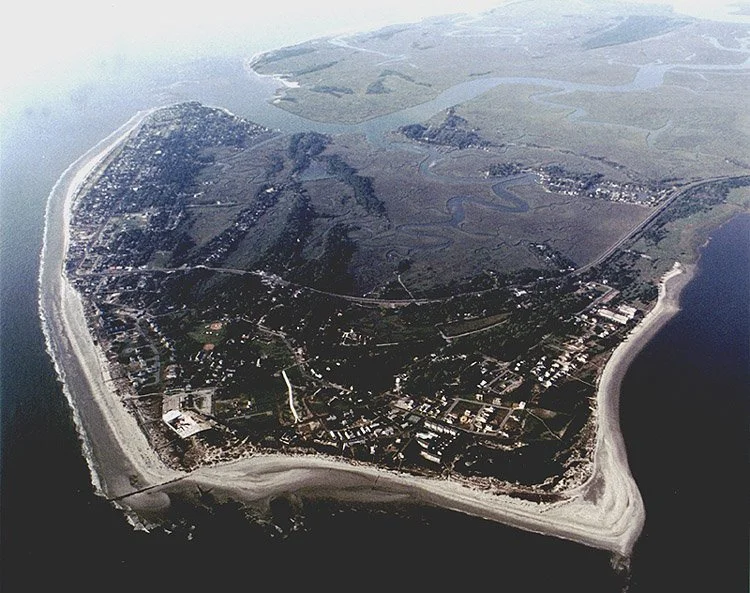
My first aerial photography project. This navy ship was out for sea trials shortly after being built. She was a mine-sweeper that was designed to turn 180 degrees in one ship length at full speed. This was taken off the coast of Savannah, GA from a helicopter.

Hood River Cider Fest
The 10th annual Hood River Cider Fest was held on May 3rd at the Hood River Event Site.
The 10th annual Hood River Cider Fest was held on May 3rd at the Hood River Event Site. Cider lovers found a wide range of ciders to sample—all made by some of the finest cider makers in Oregon and Washington! The weather was perfect for photos and videos: the day started out softly overcast, and the afternoon was wonderfully clear sunshine. The temperatures were in the low 70s, a perfect spring day in the Columbia Gorge.
Below are the best of the photos I snapped at the event.
The full gallery was shared with the event organizer, TrueWest Presents, and multiple other vendors for use on their social media accounts. The Full Gallery is Here.
Alison and I also produced a video for our YouTube Channel - CaptureAndCarryOn (will be published soon, I still need to finish editing it).
This event represents a full day’s worth of documentary photography and video services that I can provide.


Cherry blossoms

Experimenting in the studio with cherry blossoms from our tree. I'm undecided: is it better with or without the smoke?


Fireman's Helmet
One of my earliest commercial photos. This is the fire helmet of the best boss I ever had. Joe Byrd was a commercial photographer in Savannah who taught me a ton.

One of my earliest commercial photos. This is the fire helmet of the best boss I ever had. Joe Byrd was a commercial photographer in Savannah, GA who taught me a ton.
This image is from a 4X5 color negative.
Winter Scene in White Salmon, WA with Mt. Adams behind trees

Winter Scene in White Salmon, WA with Mt. Adams behind trees
This was taken on the road just outside my house. You can see Mt. Adams partly behind the trees. This image has a great sense of place. I consider myself very lucky to live where I do.